
Most people worry about oxygen levels being too low. But there are situations where a doctor may need to lower your oxygen level on purpose. This is rare and always happens under medical supervision. You should never try to lower your oxygen level at home on your own. The methods are medical treatments used for specific conditions, and they carry real risks.
Why Would A Doctor Lower Your Oxygen Level?
The main reason is a condition called oxygen toxicity. This happens when someone breathes in too much oxygen for too long. It mostly affects people on ventilators or those receiving hyperbaric oxygen therapy.
Another reason involves certain lung conditions. In some patients with chronic obstructive pulmonary disease (COPD), high oxygen levels can actually reduce their drive to breathe. This is a complex response tied to how the body senses carbon dioxide. In these specific cases, a doctor may adjust oxygen delivery downward to keep breathing stable.
There is also a condition called hyperoxia, where blood oxygen is above normal range. Normal arterial oxygen saturation is 95-100 percent. When it stays above that with supplemental oxygen, it can damage lung tissue over time. Doctors lower the oxygen dose to bring levels back into that normal range.
Medical Methods Used To Lower Oxygen Levels
Lowering oxygen levels is not something you do with a switch. It is a careful medical adjustment. The methods depend on why the level needs to come down.
Reducing supplemental oxygen flow is the most common method. If a patient is on oxygen therapy, the healthcare team gradually decreases the flow rate. They monitor blood oxygen levels continuously to find the lowest safe dose.
Adjusting ventilator settings is another approach. For patients on mechanical ventilation, doctors can change the fraction of inspired oxygen (FiO2). This is the percentage of oxygen in the air the machine delivers. They lower it step by step while watching the patient’s oxygen saturation.
Changing breathing patterns may help in mild cases. Some clinicians use breathing exercises to help patients who are over-breathing. But this is not a method for lowering oxygen in a medical emergency. It is more about regulating breathing rate and carbon dioxide levels.
In hyperbaric medicine, the treatment is simply ending the session. The high-pressure oxygen exposure stops, and the body returns to normal oxygen levels naturally.
The Risks Of Lowering Oxygen Levels
The most serious risk is hypoxia. That is when body tissues do not get enough oxygen to function. Brain cells can start to die within minutes of severe hypoxia. This is why the process must be slow and monitored.
Another risk is rebound hypoxia. This can happen when oxygen is reduced too quickly in someone who has been on high levels for a long time. Their body has adapted to the high oxygen environment. A sudden drop can cause a sharp fall in blood oxygen.
There is also the risk of worsening the underlying condition. If the reason for oxygen therapy was a lung infection or heart problem, reducing oxygen too fast can put stress on those organs. The heart has to work harder to pump oxygenated blood, and the lungs may struggle to keep up with gas exchange.
For COPD patients specifically, lowering oxygen can cause carbon dioxide buildup. This is a dangerous condition called hypercapnia. It can lead to confusion, drowsiness, and in severe cases, respiratory failure.




How Oxygen Levels Are Monitored During This Process
Doctors do not guess when adjusting oxygen levels. They use specific tools to measure exactly what is happening.
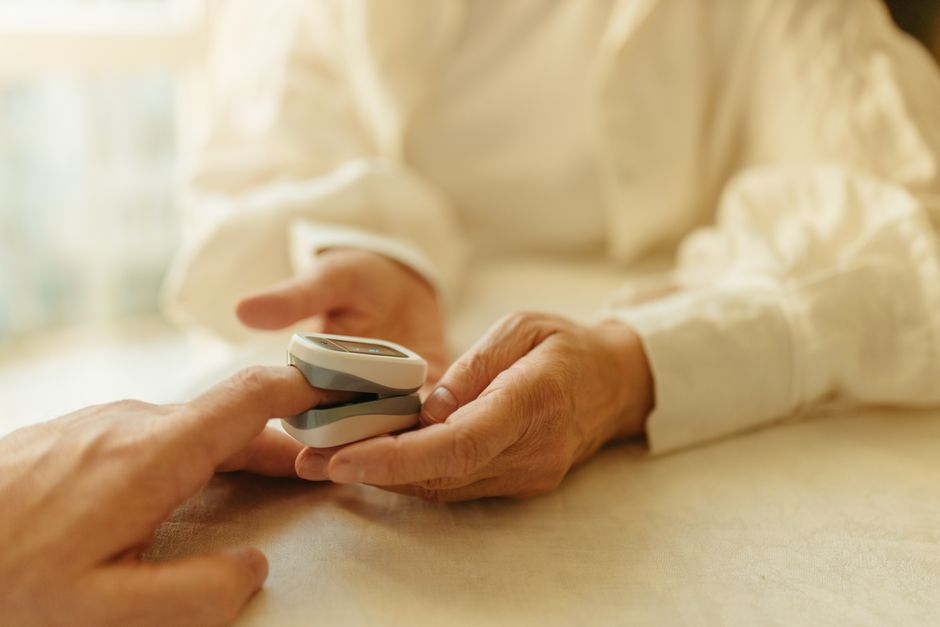
Pulse oximetry is the most common tool. A small clip goes on a finger or earlobe. It measures oxygen saturation in the blood. Normal readings are 95-100 percent. Readings below 90 percent are considered low and require immediate attention.
Arterial blood gas (ABG) tests are more precise. A blood sample is taken from an artery, usually in the wrist. It measures the actual oxygen and carbon dioxide levels in the blood. This test also shows blood pH, which tells doctors if the blood is too acidic or too alkaline.
Continuous monitoring is standard in hospital settings. Patients on ventilators are watched constantly. The oxygen flow is adjusted based on these readings, not on how the patient feels. Symptoms like shortness of breath or confusion may appear before oxygen levels drop on a monitor.
Why You Should Never Try This At Home
There is no safe at-home method to lower your oxygen level. None. Any technique that reduces oxygen intake, such as breath-holding or breathing in a confined space, can cause serious harm or death.
The body has a narrow window for oxygen levels. Below 90 percent saturation, organs begin to struggle. Below 80 percent, brain function is affected. Below 70 percent, life is at immediate risk. These thresholds are well established in medical practice.
Some people ask about breathing exercises or meditation to lower oxygen. These practices may slow breathing and reduce oxygen consumption slightly. But they do not safely lower blood oxygen levels in a controlled way. The body naturally regulates oxygen levels within a tight range. Trying to override that system without medical supervision is dangerous.
There is also a misconception that lower oxygen levels are somehow healthier. This is not supported by any medical evidence. Normal oxygen levels are healthy. Low oxygen levels damage tissues and organs.
When Lowering Oxygen Is Part Of A Treatment Plan
The most common medical scenario is weaning a patient off oxygen therapy. This happens when someone has recovered from a condition that required supplemental oxygen. The goal is to get them back to breathing room air on their own.
This process is called oxygen weaning. It is done gradually over hours or days. The medical team reduces oxygen flow in small steps. They check oxygen saturation after each adjustment. If levels stay stable, they reduce again. If levels drop, they may hold at the current dose or increase temporarily.
Another scenario is managing patients with certain chronic conditions. Some COPD patients retain carbon dioxide when given too much oxygen. Their respiratory drive may depend on low oxygen levels rather than high carbon dioxide levels. This is a well-documented but complex response. Doctors carefully balance oxygen needs against the risk of suppressing breathing.
In hyperbaric oxygen therapy, sessions are timed and controlled. The risk of oxygen toxicity increases with longer exposure and higher pressure. Treatment protocols are designed to minimize this risk. If symptoms of oxygen toxicity appear, the session ends and oxygen levels return to normal.
Signs That Oxygen Levels Are Too Low
Knowing the warning signs of low oxygen is important. This helps you understand why medical supervision is essential.
Shortness of breath is the most obvious sign. This may happen during rest or with minimal activity. The person may feel like they cannot catch their breath.
Confusion or disorientation is a serious sign. The brain is highly sensitive to oxygen levels. Even mild drops can affect thinking and memory. This is often one of the first signs caregivers notice.
Rapid breathing or heart rate is the body’s attempt to compensate. The heart beats faster to move more blood, and breathing speeds up to bring in more oxygen.
Blue or gray skin, especially around the lips and fingertips is a medical emergency. This is called cyanosis. It means oxygen levels have dropped to dangerous levels. Immediate medical help is required.
Other signs include headache, dizziness, and fatigue. These are less specific and can have many causes. But in someone with known lung or heart conditions, they should not be ignored.
Frequently Asked Questions
Can you lower your oxygen level safely at home?
No. There is no safe at-home method to lower blood oxygen levels. Any technique that reduces oxygen intake can cause hypoxia, brain damage, or death.
What is a dangerous low oxygen level?
Blood oxygen saturation below 90 percent is considered low and requires medical attention. Levels below 80 percent affect brain function, and below 70 percent is immediately life-threatening.
Why would a doctor reduce oxygen in a COPD patient?
Some COPD patients lose their drive to breathe when oxygen levels are too high. Reducing oxygen helps maintain their natural breathing stimulus, but this must be done in a hospital with continuous monitoring.
What is oxygen toxicity?
Oxygen toxicity is lung and tissue damage from breathing high levels of oxygen for too long. It mainly affects patients on ventilators or receiving hyperbaric oxygen therapy.
