
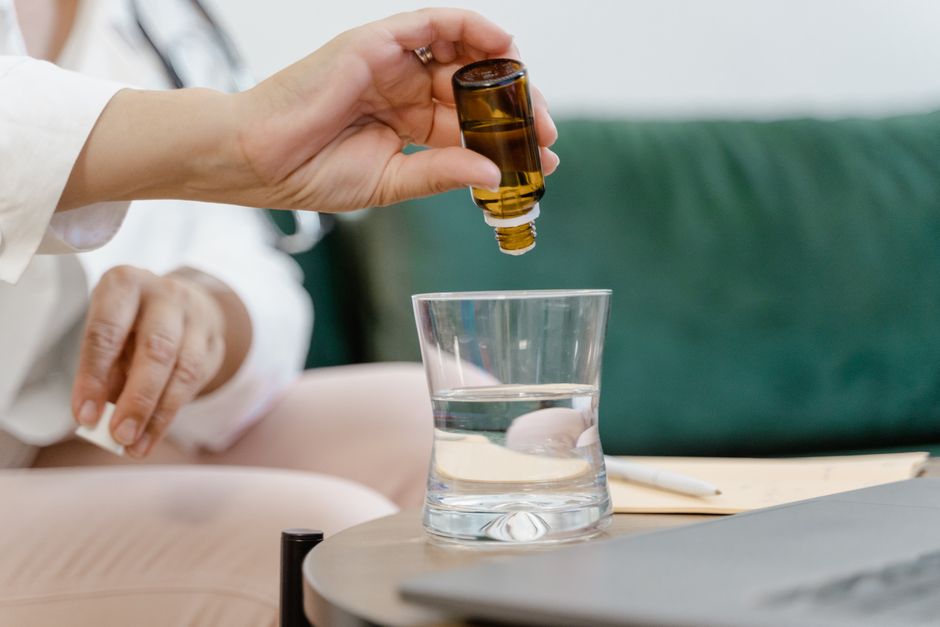
High eye pressure is one of the main risk factors for glaucoma, a condition that can damage the optic nerve and lead to vision loss. If you have elevated eye pressure, your doctor may recommend prescription eye drops as the first line of treatment. Beyond medication, some research suggests that diet and lifestyle choices can help support healthy eye pressure levels, though they do not replace prescribed treatments. The most reliable approach combines your doctor’s treatment plan with healthy habits like regular exercise, a balanced diet, and limiting caffeine, while checking your pressure regularly.
What Is Normal Eye Pressure and When Does It Become a Concern?
Eye pressure, also called intraocular pressure (IOP), is measured in millimeters of mercury (mmHg). A normal range is generally considered to be between 10 and 21 mmHg. Pressures above 21 mmHg are considered elevated, but that number alone does not mean you will develop glaucoma. Some people tolerate higher pressures without damage, while others experience optic nerve damage at pressures within the normal range.
Your eye maintains its shape and function through a fluid called aqueous humor. This fluid circulates inside the front part of the eye and drains through a meshwork of tissue. When the drainage system does not work properly, fluid builds up and pressure rises. Over time, that pressure can compress the optic nerve, reducing blood flow and causing irreversible vision loss.
If you have been diagnosed with elevated pressure or glaucoma, your eye doctor will set a target pressure for you. That target is based on the health of your optic nerve, your visual field test results, and other individual factors. Reaching and maintaining that target often requires prescription eye drops, laser treatment, or surgery.
How Do Prescription Eye Drops Lower Eye Pressure?
Prescription eye drops are the most common first treatment for elevated eye pressure. They work in one of two ways: by reducing the amount of fluid your eye produces, or by improving how well that fluid drains. Prostaglandin analogs, for example, increase the outflow of aqueous humor and are often used once daily. Beta blockers reduce fluid production and are typically used twice a day. Other classes include alpha agonists, carbonic anhydrase inhibitors, and rho kinase inhibitors.
These medications are effective, but they only work when used consistently. Many people miss doses because the drops cause stinging, redness, or blurred vision. Others forget because they do not feel any symptoms from high pressure itself. If you struggle with side effects, talk to your doctor rather than stopping the drops on your own. There are often alternative medications or combinations that work better for you.
It is important to understand that no diet or supplement has been proven to lower eye pressure as effectively as prescription medication. Some studies suggest that certain nutrients may support overall eye health, but they do not replace the need for treatment when your doctor has prescribed it.
What Diet Changes May Help Support Healthy Eye Pressure?
Research on diet and eye pressure is still developing, but some patterns show promise. Foods rich in antioxidants, nitrates, and certain vitamins may support blood flow to the optic nerve and help the eye’s drainage system function properly. The evidence is not strong enough to claim that any single food lowers pressure, but a healthy diet is a reasonable part of an overall eye health plan.
Some research suggests that a diet high in fruits and vegetables, particularly leafy greens, may be beneficial. Leafy greens like spinach and kale contain nitrates, which the body converts to nitric oxide. Nitric oxide helps relax blood vessels and may improve blood flow to the optic nerve. One large study found that people who ate more dietary nitrate had a lower risk of developing glaucoma, though this does not prove that nitrates lower eye pressure directly.
Other nutrients under investigation include vitamin C, vitamin E, zinc, and omega-3 fatty acids. These have antioxidant and anti-inflammatory properties, but clinical trials have not confirmed that they lower eye pressure in humans. Some research suggests that a Mediterranean-style diet, rich in fish, olive oil, whole grains, and vegetables, may support eye health, but again, the evidence is not definitive.
If you are considering dietary changes, focus on overall patterns rather than single nutrients. Eat a variety of colorful fruits and vegetables, include healthy fats, and limit processed foods and added sugar. These habits support cardiovascular health, which in turn supports the blood vessels in your eyes.

Can Caffeine and Alcohol Affect Your Eye Pressure?
Caffeine can cause a short-term rise in eye pressure. Studies have shown that drinking coffee or other caffeinated beverages can increase IOP for a few hours, particularly in people who already have elevated pressure or glaucoma. The effect varies from person to person. Some research suggests that regular caffeine consumption may be associated with a higher risk of developing glaucoma, especially in people with a family history of the disease.
If you have high eye pressure, it may be worth limiting caffeine to see if it affects your numbers. You do not need to eliminate it completely unless your doctor advises otherwise. Pay attention to how your pressure responds after drinking coffee, tea, or energy drinks.
Alcohol has a more complicated relationship with eye pressure. Moderate consumption may cause a slight temporary decrease in pressure, but heavy drinking can lead to dehydration, which may increase pressure. The evidence is not strong enough to recommend alcohol as a treatment, and the risks of heavy drinking far outweigh any potential benefit.
How Does Exercise and Body Position Influence Eye Pressure?
Regular aerobic exercise can help lower eye pressure over time. Activities like brisk walking, jogging, cycling, and swimming increase blood flow and may improve the drainage of aqueous humor. Some studies have found that moderate exercise can reduce IOP by a few mmHg, and the effect can last for a few hours after the workout.
However, not all exercise is beneficial. Certain activities that involve head-down positions or heavy straining can cause pressure spikes. Inversions in yoga, for example, can raise eye pressure significantly. Lifting very heavy weights while holding your breath may also cause a temporary increase. If you have glaucoma or elevated pressure, talk to your doctor about which activities are safe for you.
Body position during the day also matters. Lying flat on your back can increase eye pressure compared to sitting or standing. Some people with glaucoma find that their pressure is higher in the morning, partly because they have been lying down overnight. Sleeping with your head elevated on a few pillows may help reduce this morning spike, though the evidence for this is not strong.
What About Stress, Sleep, and Hydration?
Stress can affect eye pressure indirectly. When you are stressed, your body releases hormones like cortisol and adrenaline, which can influence blood pressure and heart rate. Some research suggests that acute stress may cause a temporary rise in IOP, but the long-term effect is not well understood. Managing stress through relaxation techniques, deep breathing, or meditation may support overall health, but it has not been proven to lower eye pressure on its own.
Sleep quality also matters. Poor sleep and sleep apnea have been linked to a higher risk of glaucoma. Sleep apnea causes repeated pauses in breathing during the night, which can reduce oxygen levels and affect blood flow to the optic nerve. If you snore heavily or feel exhausted during the day, ask your doctor about a sleep study.
Hydration is another factor to consider. Drinking a large amount of water quickly — more than a quart at once — can cause a temporary rise in eye pressure. This happens because your body absorbs the fluid rapidly, increasing blood volume and fluid production in the eye. To avoid this, sip water throughout the day rather than chugging large amounts at once. Staying consistently hydrated is important, but the pattern of intake matters more than the total amount.
Which Supplements Are Worth Considering and Which Are Not?
The supplement market is full of products claiming to support eye health. Some have more evidence behind them than others. The Age-Related Eye Disease Studies (AREDS and AREDS2) found that a specific combination of antioxidants — vitamin C, vitamin E, zinc, copper, and beta-carotene or lutein/zeaxanthin — slowed the progression of age-related macular degeneration. That finding applies to macular degeneration, not glaucoma or eye pressure.
No supplement has been proven to lower eye pressure in large clinical trials. Ginkgo biloba, bilberry extract, and omega-3 fatty acids have all been studied, but the results are mixed and the studies are small. Some research suggests that these supplements may improve blood flow to the optic nerve, but improved blood flow does not necessarily mean lower pressure or less vision loss.
Be cautious with supplements that promise to cure glaucoma or eliminate the need for eye drops. No product has been shown to do this. Some supplements can also interact with medications you are already taking. For example, high doses of vitamin E can increase bleeding risk, and ginkgo can interact with blood thinners. Always tell your eye doctor and primary care doctor about every supplement you take.
If you want to support your eye health through nutrition, focus on food first. A varied diet with plenty of vegetables, fruits, whole grains, and healthy fats provides the nutrients your eyes need without the risks of high-dose supplements.
How To Lower Your Eye Pressure Drops Diet More?
The most reliable way to lower eye pressure is to follow your doctor’s treatment plan, which usually includes prescription eye drops used consistently. Diet and lifestyle changes can support that treatment, but they do not replace it. Eat a diet rich in leafy greens, colorful vegetables, and healthy fats. Exercise regularly with moderate aerobic activity. Limit caffeine and avoid drinking large amounts of fluid all at once. Keep your head elevated when sleeping if you notice morning pressure spikes. Check your eye pressure regularly so you and your doctor can track what works for you.
Frequently Asked Questions
Can drinking more water lower eye pressure?
No, drinking more water does not lower eye pressure. Drinking a large amount of water quickly can temporarily raise pressure, so sip fluids throughout the day instead.
Do eye drops lower pressure immediately?
Most prescription eye drops begin lowering pressure within a few hours, but the full effect may take several weeks. Your doctor will recheck your pressure to see how well the drops are working.
Are there natural ways to lower eye pressure without drops?
Regular aerobic exercise and a diet rich in leafy greens may support healthy pressure, but no natural method has been proven to lower pressure as effectively as prescription medication.
Can losing weight reduce eye pressure?
Weight loss has not been directly proven to lower eye pressure, but maintaining a healthy weight supports cardiovascular health, which benefits the blood vessels in your eyes.
