
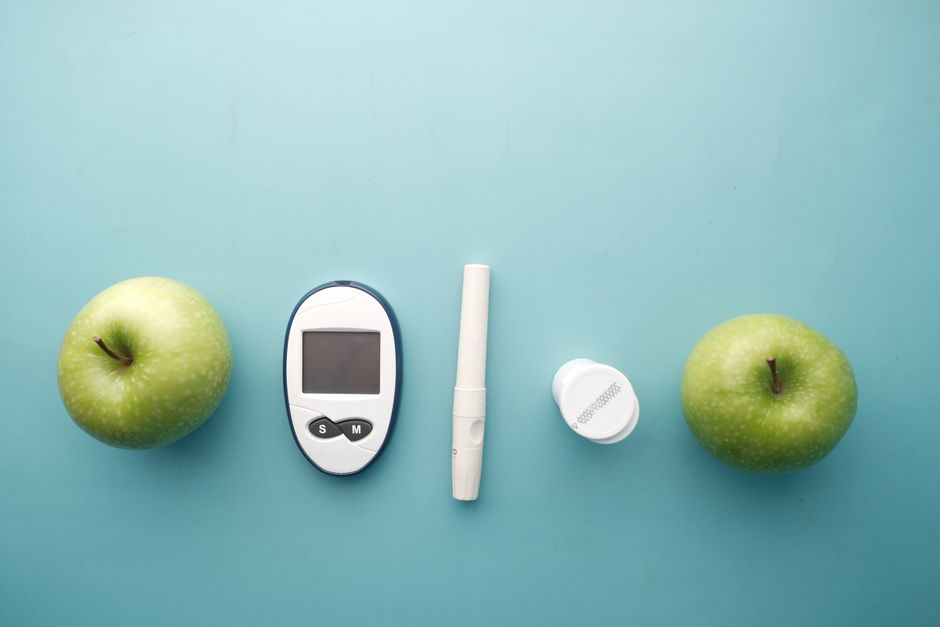
Lowering your HbA1c level comes down to three daily habits working together: diet, exercise, and sleep. Diet controls how much sugar enters your blood after meals. Exercise helps your muscles use that sugar for energy. Sleep resets your body’s hormone balance, which directly affects blood sugar control. Together, these three pillars can move your HbA1c down by a full percentage point or more over three months, according to research on lifestyle interventions for type 2 diabetes.
What Does HbA1c Actually Measure?
HbA1c is a blood test that shows your average blood sugar over the past two to three months. Red blood cells live about 120 days. As sugar circulates in your blood, some of it attaches to hemoglobin, the protein inside red blood cells that carries oxygen. The more sugar in your blood over time, the more hemoglobin becomes coated with it.
The test reports the result as a percentage. A normal HbA1c is below 5.7%. Prediabetes ranges from 5.7% to 6.4%. Diabetes is diagnosed at 6.5% or higher. For most adults with diabetes, doctors recommend aiming for an HbA1c below 7%.
Unlike a fingerstick glucose test, which shows your sugar at one moment, HbA1c gives you the big picture. It does not bounce around with one meal or one stressful day. That makes it the best measure of whether your overall daily habits are working.
How Does Diet Lower HbA1c?
Diet is the most powerful lever you control. Every carbohydrate you eat becomes glucose in your bloodstream. The type and amount of carbohydrate determine how fast and how high your blood sugar rises.
Refined carbohydrates — white bread, white rice, sugary drinks, pastries — break down quickly. They spike blood sugar fast. Whole carbohydrates — vegetables, beans, lentils, oats, whole fruits — digest slowly. They release glucose gradually, keeping blood sugar steadier.
Studies consistently show that replacing refined carbohydrates with whole foods lowers HbA1c. A meal built around non-starchy vegetables, lean protein, and healthy fats produces a much smaller blood sugar rise than a meal built around bread, pasta, or rice.
Protein and fat slow stomach emptying. That means glucose enters your bloodstream more slowly after a mixed meal. Eating protein at breakfast is especially helpful. A morning meal with eggs, Greek yogurt, or nuts prevents the mid-morning blood sugar surge that many people with insulin resistance experience.
Portion control matters just as much as food choice. Even healthy carbohydrates raise blood sugar if you eat enough of them. A practical rule: fill half your plate with non-starchy vegetables, a quarter with protein, and a quarter with whole-food carbohydrates.
Some research suggests that eating your largest meal earlier in the day improves blood sugar control. The body handles glucose better in the morning and afternoon than in the evening. Insulin sensitivity follows a daily rhythm, and it tends to decline as the day goes on.
How Does Exercise Lower HbA1c?
Exercise lowers HbA1c through two separate mechanisms. The first happens immediately. When you contract a muscle, it pulls glucose out of your bloodstream without needing insulin. This effect starts during exercise and continues for hours afterward.
The second mechanism takes longer. Regular exercise increases your muscle cells’ sensitivity to insulin. Over weeks and months, your body becomes better at moving glucose from your blood into your cells. This is why exercise lowers HbA1c over the long term, not just for a few hours after a workout.
Both aerobic exercise and resistance training work. Walking, cycling, and swimming improve insulin sensitivity. Lifting weights builds muscle mass, and more muscle means more tissue available to absorb glucose. Research indicates that combining both types of exercise lowers HbA1c more than either one alone.
The goal is at least 150 minutes of moderate-intensity aerobic activity per week, plus two days of resistance training. That breaks down to about 30 minutes of brisk walking five days a week. Moderate intensity means you are breathing harder but can still hold a conversation.
If you are new to exercise, start smaller. Even 10-minute walks after meals help. A short walk after dinner is particularly effective because it blunts the post-meal blood sugar rise. Some studies show that post-meal walking lowers blood sugar more than a single longer walk at another time of day.
Consistency beats intensity. A moderate walk every day does more for your HbA1c than an intense workout once a week. Muscle contractions improve glucose uptake for roughly 24 to 48 hours. If you exercise every day, you keep that benefit continuously active.





How Does Sleep Lower HbA1c?
Sleep is the most overlooked factor in blood sugar control. When you do not sleep enough, your body releases stress hormones — cortisol and adrenaline. These hormones signal your liver to release stored glucose. That raises your blood sugar even though you have not eaten.
Sleep deprivation also reduces insulin sensitivity. One study found that a single night of four to five hours of sleep reduced insulin sensitivity by about 20% in healthy adults. Over months of poor sleep, this daily impairment compounds and pushes HbA1c upward.
Short sleep also changes hunger hormones. Ghrelin, which stimulates appetite, goes up. Leptin, which signals fullness, goes down. People who sleep fewer than seven hours tend to eat more, crave carbohydrates, and choose higher-calorie foods. This makes diet control harder, which further raises HbA1c.
Sleep apnea deserves special attention. This condition causes repeated pauses in breathing during sleep, which triggers stress hormone surges all night long. Sleep apnea is strongly associated with higher HbA1c levels, and treating it with CPAP improves blood sugar control. If you snore loudly or wake up gasping, mention this to your doctor.
Most adults need seven to nine hours of sleep per night. Consistency matters as much as duration. Going to bed and waking at the same time every day — including weekends — stabilizes your body’s internal clock. A regular sleep schedule improves insulin sensitivity independently of total sleep time.
Practical sleep habits help: keep your bedroom cool and dark, avoid screens for an hour before bed, and avoid caffeine after mid-afternoon. Alcohol disrupts sleep quality even though it helps you fall asleep faster. The second half of the night is often fragmented after drinking, which is when deep restorative sleep occurs.
How Do These Three Factors Work Together?
Diet, exercise, and sleep do not operate in isolation. They reinforce each other. Exercise improves sleep quality, which improves insulin sensitivity, which makes your diet more effective. Poor sleep makes you crave carbohydrates, which makes diet harder. Skipping exercise reduces sleep quality, which makes the next day’s food choices harder.
This is why a single-focus approach often fails. Someone who only changes diet but sleeps five hours a night will see smaller HbA1c improvements. Someone who exercises but eats refined carbohydrates all day will not outrun their diet. The three habits compound.
Realistic expectations matter. HbA1c reflects three months of blood sugar. You will not see a meaningful change in two weeks. Most lifestyle programs show measurable HbA1c reductions by the three-month mark. A 1% reduction in HbA1c reduces the risk of diabetes complications significantly, so even modest progress has real health value.
Start with one change. Pick the habit that feels most achievable and build from there. Many people find that improving sleep first makes diet and exercise easier, because they have more energy and fewer cravings. Others find that walking after meals is the easiest first step because it produces immediate, visible results.
How Fast Can You Lower HbA1c?
You cannot lower HbA1c quickly because the test measures an average over months. Red blood cells accumulate sugar coating gradually. Even if your blood sugar normalized completely today, your HbA1c would still reflect the previous weeks.
That said, you can see meaningful change within three months. A person who consistently improves diet, exercises regularly, and sleeps seven to nine hours can expect a 0.5% to 1% reduction in HbA1c over that period. Some people with strong adherence see larger drops.
More important than speed is consistency. The habits that lower HbA1c must become permanent. If you revert to old patterns, HbA1c will climb back up. This is a long-term management strategy, not a short-term fix.
If your HbA1c is above 9%, lifestyle changes alone may not be enough. At that level, medication is usually necessary to bring blood sugar down quickly and prevent complications. Lifestyle changes still help and can reduce the amount of medication you need, but they should complement medical treatment, not replace it.
When Should You Check HbA1c Again?
Most doctors recommend rechecking HbA1c every three months when you are actively working to lower it. Once your level is stable in your target range, testing every six months is common for people with well-controlled diabetes.
If you have prediabetes, your doctor may check HbA1c annually. But if you are actively making lifestyle changes, asking for a three-month follow-up gives you useful feedback on whether your efforts are working. That feedback loop helps you adjust what is not working and stay motivated by what is.
Frequently Asked Questions
What is a good HbA1c goal?
Most adults with diabetes aim for an HbA1c below 7%. Your doctor may set a different target based on your age, other health conditions, and history of low blood sugar.
Can I lower my HbA1c without medication?
Yes, if your HbA1c is in the prediabetes range or mildly elevated in the diabetes range. Diet, exercise, and sleep can lower HbA1c, but higher levels usually require medication.
How much can diet and exercise lower HbA1c?
Consistent lifestyle changes typically lower HbA1c by 0.5% to 1% over three months. Results depend on how consistently you follow the habits and how high your starting level is.
Does walking after meals really help blood sugar?
Yes. A 10 to 15 minute walk after eating helps your muscles absorb glucose from the meal, which reduces the post-meal blood sugar spike.
