
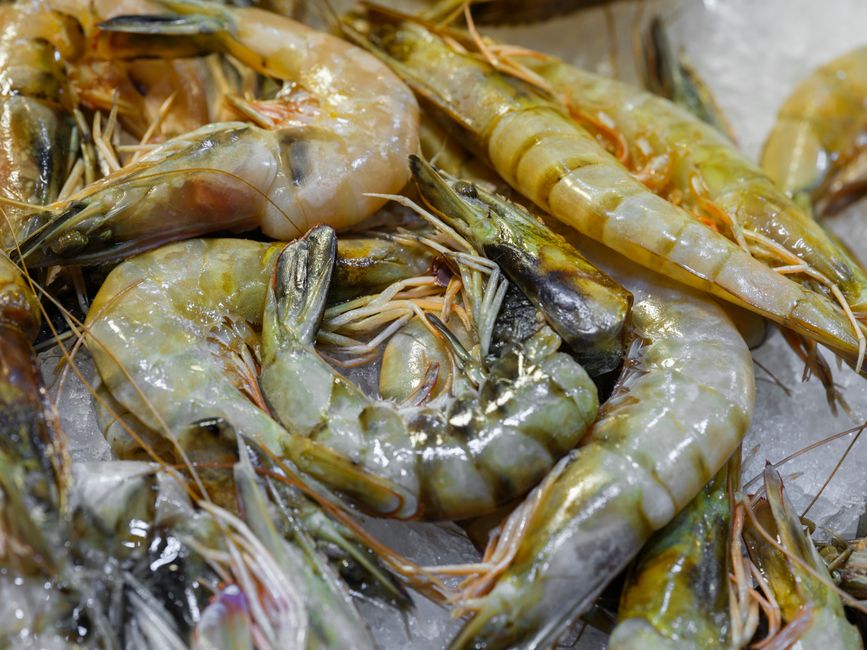
Lowering pH in a shrimp tank naturally means using biological and chemical methods that do not rely on synthetic pH adjusters. The most reliable natural approach is adding Indian almond leaves or other botanicals like alder cones, which release tannic acid. Driftwood, especially Malaysian driftwood, also leaches tannins and slowly lowers pH over time. Peat moss in your filter can soften and acidify water effectively. For shrimp like Caridina species that need soft, acidic water, these natural methods are safer than chemical buffers because they create stable conditions.
What Causes High pH in a Shrimp Tank?
High pH in a shrimp tank usually comes from your tap water or your substrate. Many municipal water supplies have a pH above 7.5 because they add buffers to prevent pipe corrosion. Crushed coral, limestone, or aragonite in your substrate will also raise pH and hardness. These materials dissolve slowly and keep pH high no matter what you add.
Another common cause is insufficient carbon dioxide. Plants consume CO2 during the day, which raises pH. If your tank has many plants and low CO2, pH can swing upward. Some aquarists also use alkaline buffer products without realizing they are fighting against natural methods. The first step is always testing your source water and substrate.
Does How To Lower Ph In Your Shrimp Tank Naturally Actually Work?
Yes, natural methods work, but they have limits. Indian almond leaves and driftwood can lower pH by 0.5 to 1.0 units in soft water. In very hard water with high carbonate hardness, these methods may not lower pH at all. The buffering capacity of the water resists change.
Research published in aquarium science journals confirms that tannins from botanicals effectively reduce pH in low-alkalinity water. For shrimp keepers with soft tap water, natural methods are highly effective. For those with hard well water, you may need to mix with reverse osmosis water first. Natural methods are not instant. They work over days to weeks as tannins leach into the water.
What Are the Best Natural Materials for Lowering pH?
| Material | Effect on pH | Time to Work | Best For |
|---|---|---|---|
| Indian almond leaves | Reduces 0.5-1.0 pH | 1-3 days | Soft water tanks |
| Malaysian driftwood | Reduces 0.3-0.8 pH | 1-2 weeks | Long-term stability |
| Alder cones | Reduces 0.5-1.5 pH | 2-5 days | Small tanks |
| Peat moss | Reduces 1.0-2.0 pH | 3-7 days | Filter media |
| Beech leaves | Reduces 0.3-0.5 pH | 3-7 days | Gentle reduction |
Indian almond leaves are the most popular because they release tannins steadily and also provide antifungal benefits for shrimp. Alder cones are more potent per piece, so use fewer. Peat moss is the strongest natural option but can stain water dark brown and may lower pH too quickly if not monitored.




How Do You Use Peat Moss Safely?
Peat moss works by releasing humic acids that bind to carbonate hardness and lower pH. To use it, place a handful of aquarium-safe peat moss in a mesh bag and put it in your filter. Do not use gardening peat moss, which may contain fertilizers or pesticides. Only use peat labeled for aquarium use.
Start with a small amount. Check pH daily for the first week. Peat moss can drop pH by 1 to 2 units in soft water within a few days. If it drops too fast, shrimp may go into shock. Remove the peat once your target pH is reached. Recharge or replace it every few weeks as it loses potency.
Some people report that peat moss releases phosphates, which can cause algae. Evidence on this is mixed. If you see algae, reduce lighting or increase water changes rather than stopping the peat. The benefits for pH stability usually outweigh this risk.
What Role Does Reverse Osmosis Water Play?
Reverse osmosis water has a neutral pH around 7.0 and almost no minerals. By itself it does not lower pH, but it removes the buffers that keep pH high. Once you remove carbonate hardness, natural tannins from leaves or driftwood can lower pH easily.
Many serious shrimp keepers use RO water and remineralize it with a shrimp-specific salt mix. This gives you full control. You can target a pH of 6.0 to 6.5 for Caridina shrimp or 7.0 to 7.5 for Neocaridina shrimp. The CDC does not track aquarium water quality, but the American Shrimp Keepers Association recommends RO water for sensitive species.
If you do not want to buy an RO unit, you can buy RO water from fish stores or grocery stores. Mix it with your tap water gradually. A 50/50 mix often brings pH down enough for natural methods to work. Do not use distilled water long-term because it lacks trace minerals shrimp need.
What Natural Methods Should You Avoid?
- Vinegar or lemon juice — These lower pH temporarily but cause rapid swings. The effect lasts hours, not days. Shrimp cannot handle pH changes of more than 0.2 per hour.
- Baking soda — This raises pH, not lowers it. Some online sources suggest it for pH crashes. That is correct for emergencies only, not daily use.
- CO2 injection without a controller — While CO2 lowers pH, it is easy to overdose and kill shrimp. Natural methods are safer for beginners.
- Almond leaves from unknown sources — Some leaves sold for reptiles contain preservatives. Only buy leaves labeled for aquarium use.
These methods are widely claimed online but strong evidence is limited. The American Aquarium Products guide warns against using food acids for pH adjustment. Stick to botanicals and peat moss for predictable results.
How Do You Monitor pH Safely During Natural Lowering?
Test pH daily when you first add botanicals or peat moss. Use a liquid test kit, not test strips. Strips are less accurate at low pH ranges. The API Freshwater Master Test Kit is the standard most shrimp keepers trust.
Watch for pH crashes below 5.5. At this level, the nitrogen cycle slows or stops. Ammonia can build up and poison shrimp. If pH drops below 5.0, do a 20% water change with water that has a higher pH. Remove some botanicals or peat to stabilize.
Temperature also affects pH readings. Warmer water reads slightly lower. Test at the same time of day for consistent results. If you use CO2 injection alongside natural methods, test pH in the morning before lights turn on, when CO2 is highest. This gives you the lowest pH reading of the day.
Common Misconceptions About Natural pH Lowering
One common belief is that driftwood alone can fix high pH in hard water. It cannot. Driftwood releases tannins slowly, and hard water buffers neutralize them. You must soften the water first or use stronger botanicals like peat moss.
Another myth is that lowering pH naturally is always safer than using chemicals. This is mostly true, but natural methods can still cause problems. Peat moss can drop pH too fast. Too many leaves can stain water so dark that plants cannot photosynthesize. The key is slow, monitored change no matter what method you use.
Some people also think that shrimp need acidic water to breed. This depends on the species. Neocaridina shrimp like cherry shrimp breed fine at pH 7.0 to 7.8. Only Caridina species like crystal shrimp require pH below 6.5. Know your shrimp before chasing a specific pH number.
Frequently Asked Questions
How fast can I lower pH in my shrimp tank naturally?
With peat moss or alder cones, pH can drop within 24 to 72 hours. Driftwood takes one to two weeks. Always change pH slowly to avoid shocking shrimp.
Can I use almond leaves and driftwood together?
Yes, combining them works well. The driftwood provides long-term tannin release while leaves give a faster initial drop. Monitor pH daily when starting.
Will lowering pH harm my filter bacteria?
Beneficial bacteria slow down below pH 6.0 and stop working around pH 5.5. Keep pH above 6.0 to maintain biological filtration. Test ammonia weekly if you go lower.
How often should I replace Indian almond leaves?
Replace leaves every two to three weeks as they break down. Remove any leaves that develop white fungus or smell rotten. Fresh leaves release more tannins than old ones.
