
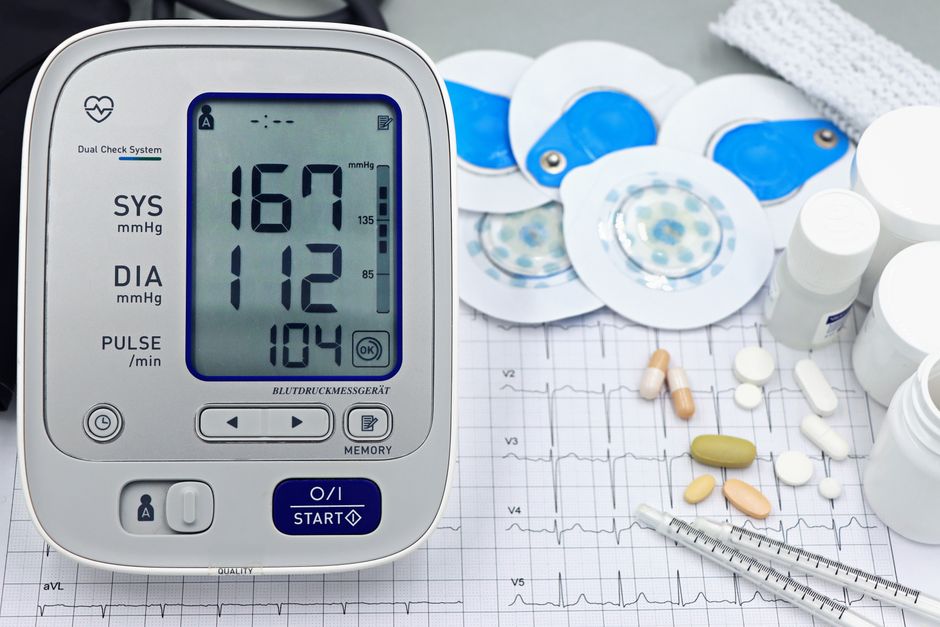
Cholesterol and A1C are two numbers that often move together because they share a common driver: how your body handles fuel. You can lower both naturally by changing what you eat, how you move, and how you sleep. The most effective approach targets insulin resistance and inflammation at the same time, rather than treating each lab value in isolation.
Why Do Cholesterol and A1C Rise Together?
High A1C means your average blood sugar has been elevated for about three months. Cholesterol problems often follow the same pattern because insulin resistance changes how the liver processes fats.
When cells stop responding to insulin properly, the pancreas makes more insulin to compensate. High insulin levels tell the liver to produce more LDL particles and more triglycerides. This is why people with prediabetes or type 2 diabetes frequently show a lipid panel with elevated triglycerides and low HDL cholesterol.
This connection matters because it means the same lifestyle changes can improve both numbers. You do not need one diet for cholesterol and a separate one for blood sugar. The strategies overlap significantly.
What Foods Lower Both Cholesterol and A1C?
Fiber is the single most important nutrient for both conditions. Soluble fiber forms a gel in your intestines that traps cholesterol and slows sugar absorption. Good sources include oats, barley, beans, lentils, apples, and psyllium husk.
Research consistently shows that eating 5 to 10 grams of soluble fiber daily can lower LDL cholesterol by about 5 to 10 percent. The same fiber slows glucose entry into the bloodstream, which flattens post-meal blood sugar spikes.
Replace refined carbohydrates with whole food alternatives. White bread, white rice, and sugary snacks spike glucose quickly and raise triglycerides. Swapping these for quinoa, brown rice, or steel-cut oats gives you more fiber and a slower glucose curve.
Healthy fats also play a direct role. Olive oil, avocados, nuts, and fatty fish improve HDL cholesterol and reduce triglycerides. Omega-3 fatty acids from fish like salmon and mackerel have been shown to lower triglycerides by 15 to 30 percent when consumed regularly.
One non-obvious point: the timing of carbohydrates matters as much as the type. Eating protein and vegetables before carbohydrates at the same meal reduces the post-meal glucose spike. This is called meal sequencing, and several small studies have found it lowers glucose excursions without changing total calorie intake.
How Much Exercise Does It Take to See Changes?
Exercise improves both cholesterol and A1C through multiple mechanisms. Muscle tissue consumes glucose during activity, which lowers blood sugar immediately. Over time, regular exercise increases insulin sensitivity so cells respond to less insulin.
For A1C, aerobic exercise has the strongest evidence. Brisk walking, cycling, or swimming for 150 minutes per week is the standard target. That breaks down to about 30 minutes, five days per week. Studies show this level of activity can lower A1C by 0.3 to 0.6 percentage points in people with type 2 diabetes.
Resistance training adds a separate benefit. Building muscle creates a larger glucose sink because muscle tissue is the primary site of glucose disposal. Two to three sessions per week of weight training or bodyweight exercises improves insulin sensitivity independently of aerobic exercise.
The combination of both types appears superior to either alone. One consistent finding from exercise trials is that the most effective programs include both aerobic and resistance components.
Do not overlook the fact that even light activity helps. Walking after meals for 10 to 15 minutes blunts the post-meal glucose rise. This is a practical strategy backed by research published in diabetes journals, and it requires no special equipment.




What Role Does Weight Loss Play?
Weight loss is the most powerful natural intervention for both conditions, but the threshold matters. You do not need to reach a normal BMI to see meaningful lab improvements.
Losing 5 to 7 percent of your body weight improves insulin sensitivity and lowers A1C. For a 200-pound person, that is 10 to 14 pounds. The same weight loss typically reduces triglycerides and raises HDL cholesterol.
Greater weight loss produces greater effects. Studies of very low-calorie diets and bariatric surgery show that losing 15 percent or more of body weight can put type 2 diabetes into remission in some people. LDL cholesterol also drops substantially with larger weight loss.
Where you lose fat matters too. Visceral fat — the fat stored inside the abdominal cavity around your organs — is metabolically active and drives both insulin resistance and abnormal lipid production. Waist circumference is a rough proxy for visceral fat. Reducing waist size typically tracks with improvements in both A1C and cholesterol.
Crash diets are not the answer. Rapid weight loss often causes muscle loss and rebound weight gain. Slow, steady loss of 1 to 2 pounds per week preserves muscle and is more sustainable.
Can Sleep and Stress Affect These Numbers?
Sleep deprivation directly impairs glucose metabolism. One night of restricted sleep reduces insulin sensitivity by 20 to 30 percent in healthy adults. Chronic short sleep — defined as less than seven hours per night — is associated with higher A1C in people with diabetes.
Sleep also affects cholesterol. Poor sleep quality is linked to lower HDL and higher LDL cholesterol. The mechanism involves cortisol and other stress hormones that alter liver lipid production.
Stress management matters for the same reason. Chronic stress raises cortisol, which increases blood sugar by stimulating glucose production in the liver. Elevated cortisol also promotes fat storage in the abdominal area.
Practical stress reduction does not require meditation if that is not your style. Regular exercise, time outdoors, and consistent social connection all lower cortisol. The key is finding something you can do consistently.
Sleep apnea deserves special attention. This condition causes repeated nighttime breathing interruptions that spike stress hormones and oxygen deprivation. Untreated sleep apnea is strongly associated with worse A1C and cholesterol control. If you snore heavily or wake up gasping, ask your doctor about a sleep study.
Which Supplements Have Real Evidence?
Most supplements marketed for cholesterol and blood sugar do not survive rigorous testing. A few have meaningful evidence behind them.
Psyllium husk is the best-supported fiber supplement. It is a concentrated source of soluble fiber and reliably lowers LDL cholesterol when taken before meals. Clinical trials consistently show reductions of 5 to 10 percent in LDL with daily use.
Berberine has emerged as one of the more effective natural compounds for blood sugar. Several randomized trials have found it lowers A1C by 0.5 to 1 percentage point, comparable to some prescription medications. It works by activating an enzyme called AMPK, which improves insulin sensitivity.
Red yeast rice contains monacolin K, which is chemically identical to lovastatin, a prescription statin. It does lower LDL cholesterol, but quality varies widely between brands. Because it acts like a drug, it carries the same muscle and liver risks as statins. Do not take it without discussing it with your doctor.
Omega-3 fish oil at prescription doses lowers triglycerides, but over-the-counter doses are often too low to matter. The effect on LDL cholesterol is minimal or slightly negative.
Be skeptical of any supplement claiming dramatic results. No supplement replaces diet, exercise, and weight management. If a product sounds too good to be true, it usually is.
How Long Until Lab Results Improve?
A1C reflects average blood sugar over roughly three months because red blood cells live about 120 days. You will not see a meaningful A1C change before that window closes.
Fasting glucose and triglycerides respond faster. Many people see improvements within two to four weeks of consistent dietary changes. Triglycerides are particularly responsive to reducing refined carbohydrates and alcohol.
LDL cholesterol changes more slowly. Expect measurable changes at six to eight weeks, with full effect at three months. The response depends heavily on how much saturated fat and fiber you consume.
HDL cholesterol is the slowest to change. It can take three to six months of regular exercise to raise HDL meaningfully. Some people see minimal HDL improvement despite excellent lifestyle habits, which reflects genetic variation.
Do not expect linear progress. Blood sugar and cholesterol fluctuate day to day based on sleep, stress, and recent meals. Look at trends across weeks, not individual readings.
When Should You Consider Medication?
Lifestyle changes are powerful, but they do not work for everyone. Genetics play a substantial role in both cholesterol metabolism and insulin sensitivity.
If your LDL cholesterol remains above 160 mg/dL after three months of consistent lifestyle changes, guidelines suggest discussing statin therapy with your doctor. For people with diabetes or known heart disease, the treatment threshold is lower.
For A1C, the conventional target is below 7 percent for most adults with diabetes. If lifestyle changes do not get you there within three to six months, oral medications such as metformin are well-studied and safe options.
Taking medication does not mean you failed. Statins and metformin are among the most studied drugs in medicine. Many people use them alongside lifestyle changes, not instead of them.
Frequently Asked Questions
Can you lower cholesterol and A1C without medication?
Yes, many people can through diet, exercise, and weight loss. The degree of improvement depends on your starting numbers and your genetics.
How quickly can A1C go down naturally?
A1C reflects three months of average blood sugar, so meaningful changes appear at the three-month mark. Some people see improvement in six to eight weeks with aggressive changes.
Is oatmeal good for lowering cholesterol and blood sugar?
Oatmeal contains beta-glucan, a soluble fiber that lowers LDL cholesterol and slows sugar absorption. Choose steel-cut or rolled oats rather than instant varieties with added sugar.
What is the single best exercise for lowering A1C?
Combining aerobic exercise with resistance training works better than either alone. If you pick one, brisk walking for 30 minutes most days is the most accessible starting point.
