
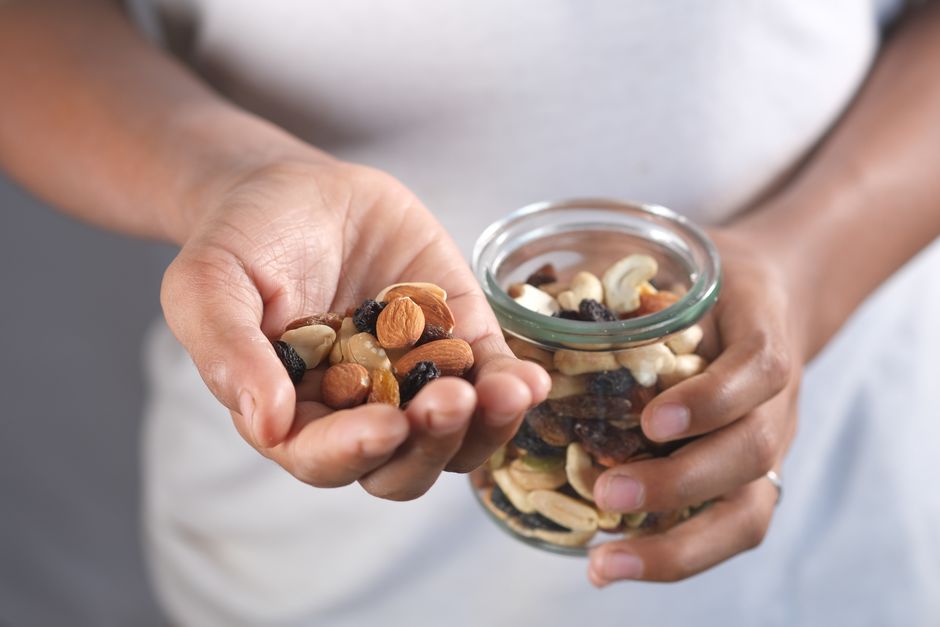
Peanuts do not increase cholesterol for most people, and they can actually help lower it. Research consistently shows that regular peanut consumption is linked to improved cholesterol profiles, mainly because peanuts are rich in unsaturated fats, which are heart-healthy. The key is that peanuts contain very little saturated fat, and their plant sterols and fiber can help block the absorption of cholesterol in your gut.
What Does Science Actually Say About Peanuts and Cholesterol?
Studies have looked at this question for decades. The evidence is strong and consistent. Eating peanuts regularly tends to lower LDL (“bad”) cholesterol while maintaining or even slightly raising HDL (“good”) cholesterol.
Most of the research focuses on the fat composition. Peanuts are about 50% fat by weight. But roughly 80% of that fat is unsaturated — the kind that supports heart health. Only about 20% is saturated fat. That ratio is similar to olive oil, which is widely recommended for heart health.
Some research suggests that replacing refined carbohydrates or red meat with peanuts produces the clearest benefit. The effect is not dramatic, but it is measurable. In many dietary trials, people who ate peanuts daily for several weeks saw their LDL cholesterol drop by a modest but real amount.
How Peanuts Lower Cholesterol in Your Body
Peanuts work through a few different pathways. Understanding these helps explain why they help rather than hurt.
First, the unsaturated fats in peanuts signal the liver to produce less LDL cholesterol. Second, peanuts contain plant sterols — compounds structurally similar to cholesterol that compete with it in your intestines. When plant sterols are present, your body absorbs less dietary cholesterol.
Third, peanuts provide fiber. Fiber binds to cholesterol in the digestive tract and carries it out of the body before it enters your bloodstream. A single serving of peanuts contains about 2.4 grams of fiber, which is meaningful but not huge. The combination of these effects is what produces the overall cholesterol-lowering benefit.
Peanuts also contain resveratrol and other antioxidants that reduce inflammation in blood vessels. This is separate from cholesterol but relevant to overall cardiovascular risk.
Do Peanut Butter and Flavored Peanuts Behave Differently?
Plain peanuts and natural peanut butter have similar effects on cholesterol. The processing matters more than the form.
Natural peanut butter — made from just peanuts and salt — offers the same heart benefits as whole peanuts. But many commercial peanut butters add hydrogenated oils, sugar, and palm oil. Hydrogenated oils contain trans fats, which raise LDL cholesterol and lower HDL cholesterol. That directly reverses the benefit.
Flavored peanuts can be a problem too. Honey-roasted, chocolate-covered, or peanuts fried in tropical oils add sugar and saturated fat. The base peanut is still healthy, but the coating can negate the effect.
A practical rule: check the ingredient list. If peanuts are the only ingredient, or if the only addition is salt, the product will help your cholesterol. If sugar, palm oil, or partially hydrogenated oil appears, the benefit shrinks.




How Many Peanuts Should You Eat?
Portion size matters. Peanuts are calorie-dense, and eating too many can cause weight gain, which independently worsens cholesterol.
A standard serving is about one ounce — roughly 28 grams or a small handful. That is approximately 160-170 calories. Most dietary guidelines suggest that consuming about 1.5 ounces of nuts per day is associated with better heart health, but that assumes you are not adding those calories on top of an already full diet.
If you replace a less healthy snack with peanuts, you get the benefit. If you add peanuts to your usual diet without cutting anything else, you may gain weight, and that weight gain can raise cholesterol. The context of the overall diet matters as much as the peanut itself.
What About People with High Cholesterol Already?
People who already have high cholesterol can still eat peanuts. The same cholesterol-lowering effect applies. However, if you take a statin or other cholesterol medication, peanuts do not interfere with it. They are safe to combine.
One caution applies to people with high triglycerides. Peanuts are mostly fat, and any fatty food can raise triglycerides if eaten in large amounts. For most people, a standard serving is fine. But if your triglycerides are above 500 mg/dL, your doctor may recommend limiting all high-fat foods, including peanuts.
There is no clinical evidence that peanuts worsen cholesterol in any population when eaten in standard serving sizes. The concern is purely about excess calories and added ingredients.
Are There Any Risks of Eating Peanuts?
Peanut allergy is the most serious risk. For people with a peanut allergy, even trace amounts can cause severe reactions. This article does not apply to anyone with a diagnosed peanut allergy — those individuals must avoid peanuts completely.
Another risk is aflatoxin, a naturally occurring toxin produced by certain molds that can grow on peanuts. Commercial peanuts in the United States are tested for aflatoxin and must meet safety standards set by the FDA. The risk is low for packaged peanuts from reputable brands. Buying from major manufacturers and storing peanuts in a cool, dry place reduces the risk further.
Peanuts are also a common choking hazard for young children. Whole peanuts should not be given to children under age four. Peanut butter is safe for older infants if there is no allergy history, but check with your pediatrician first.
How Do Peanuts Compare to Other Nuts?
Peanuts are often compared to tree nuts like almonds, walnuts, and cashews. The cholesterol effects are broadly similar. Walnuts have more omega-3 fatty acids, which provides an additional anti-inflammatory benefit. Almonds have slightly more fiber and vitamin E.
But peanuts are less expensive than most tree nuts, which makes them a practical choice for regular consumption. They are also a legume botanically, not a true nut, but their nutritional profile mimics tree nuts closely enough that dietary guidelines group them together.
The research on nuts and cholesterol generally includes peanuts as part of the evidence base. No study suggests that peanuts are inferior to tree nuts for cholesterol management.
What Is the Bottom Line for Your Diet?
Peanuts are a heart-healthy food that lowers LDL cholesterol when eaten in place of less healthy fats and refined carbohydrates. They do not raise cholesterol in standard serving sizes.
Choose plain or lightly salted peanuts. Avoid honey-roasted, chocolate-covered, or oil-roasted varieties. Read the label on peanut butter and select products with only peanuts and salt.
If you have existing heart disease, high cholesterol, or diabetes, talk to your doctor or a registered dietitian about how peanuts fit into your specific dietary plan. For most healthy adults, a daily handful of peanuts is a sensible, evidence-supported choice.
Frequently Asked Questions
Do peanuts raise LDL cholesterol?
No. Studies consistently show that peanuts lower LDL cholesterol rather than raise it, due to their high unsaturated fat content and plant sterols that block cholesterol absorption.
How many peanuts can I eat daily without affecting cholesterol?
About one ounce, or a small handful, is the standard serving associated with heart benefits. Eating more than that adds excess calories that can lead to weight gain, which may raise cholesterol.
Is peanut butter as healthy as whole peanuts for cholesterol?
Natural peanut butter with no added sugar or hydrogenated oils is equally healthy. Commercial peanut butters with added palm oil and sugar do not offer the same benefit.
Can peanuts replace statins for lowering cholesterol?
No. Peanuts produce modest cholesterol reductions that are not comparable to prescription medication. They are a dietary support, not a treatment for clinically high cholesterol.
