
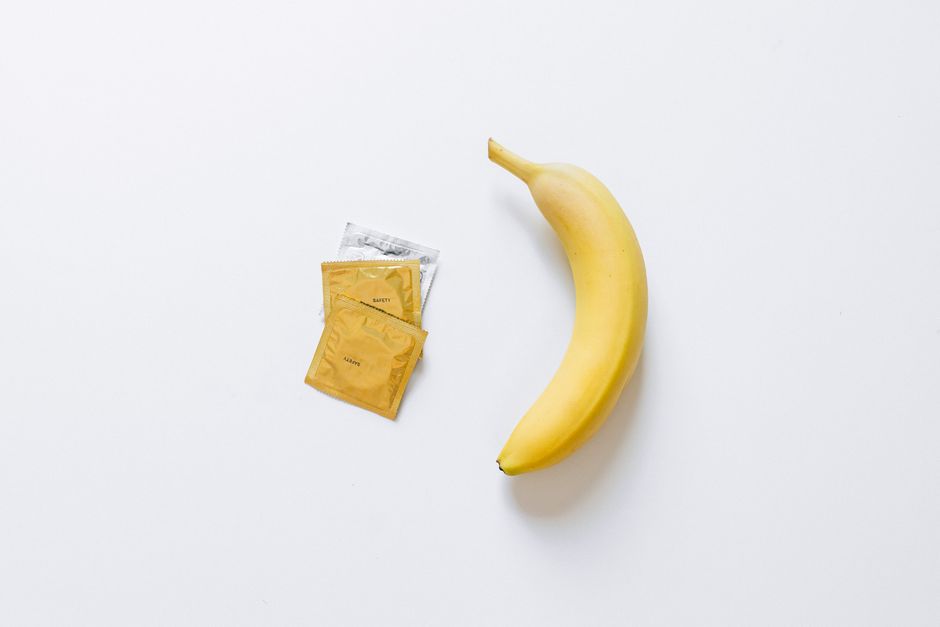
Losing your virginity is a personal decision, and there is no single right way to do it. What matters most is that you feel ready, informed, and in control. Safety and comfort come from preparation, clear communication, and choosing a situation where you feel respected and relaxed.
What Does It Mean To Lose Your Virginity?
There is no medical definition of virginity. It is a social and personal concept, not a physical state that can be measured or verified.
The idea that virginity is tied to an intact hymen is inaccurate. The hymen is a thin, flexible tissue at the opening of the vagina. It varies widely in shape and thickness from person to person. Many people are born with very little hymenal tissue. Others stretch or tear it through sports, tampon use, or everyday activities long before any sexual contact.
For people with penises, there is no physical marker of virginity at all. Sexual experience is not something the body records.
What counts as “losing your virginity” depends on how you define sex. Some people consider it penetrative intercourse. Others include oral sex, anal sex, or any intimate sexual activity. There is no universal standard. What matters is that you decide what the experience means for you.
How Do You Know If You Are Ready?
Readiness is not about age or a specific milestone. It is about wanting to have sex for your own reasons, not because of pressure from a partner, friends, or cultural expectations.
Signs you may be ready include:
- You want to have sex because you are curious and interested, not because someone is pushing you.
- You can talk openly with your partner about what you want and do not want.
- You feel safe with this person and trust them to respect your boundaries.
- You understand how to prevent pregnancy and sexually transmitted infections (STIs).
- You know that you can change your mind at any point, including during the experience.
Feeling nervous is normal. Nervousness and not being ready are different things. Nervousness usually comes with curiosity and desire. Not being ready often feels like dread, obligation, or going along with something you do not want.
If you are unsure, waiting is a valid choice. There is no deadline.
How To Lose Your Virginity Safely And Comfortably
Safety and comfort are not passive outcomes. They are things you actively create through preparation and communication.
Preventing Pregnancy and STIs
If pregnancy is a possibility, you need a contraception method you trust. Options include condoms, hormonal birth control, intrauterine devices (IUDs), and others. Condoms are the only method that also reduces the risk of most STIs. Using a condom plus a second form of birth control gives you the best protection against both pregnancy and infection.
If you are not sure which method fits your situation, a healthcare provider or a clinic like Planned Parenthood can help. Many offer low-cost or free services.
STI testing before a new sexual partnership is a reasonable step. Many infections have no symptoms, so testing is the only way to know. This applies to both partners.
Reducing Physical Discomfort
Discomfort during first intercourse is common but not inevitable. Several things can help:
- Lubrication. The body produces natural lubrication when a person is aroused, but it is not always enough. Using a water-based or silicone-based lubricant can reduce friction and discomfort. Do not use oil-based lubricants with latex condoms because they can weaken the condom.
- Arousal. Taking time with foreplay allows the vagina to relax and produce natural lubrication. Rushing increases tension and discomfort.
- Position and pace. You control the speed and depth. Slower is usually more comfortable. You can ask your partner to pause or stop at any time.
- Relaxation. Anxiety causes muscle tension, which can make penetration more difficult. A calm, private setting helps.
Some people experience bleeding the first time. Others do not. Bleeding is not a sign that something went wrong, and its absence is not a sign that something is wrong either. Both are normal.
Emotional Comfort
Emotional comfort matters as much as physical comfort. Choose a partner you trust. Choose a time when you are not rushed or stressed. Choose a place where you will not be interrupted.
You are allowed to say stop at any point. You are allowed to change your mind before, during, or after. Consent is ongoing, not a one-time decision.





What If It Hurts or Does Not Go As Planned?
First-time sex often does not match expectations. It may be awkward, brief, or physically uncomfortable. This is common and does not mean anything is wrong with you.
Pain during intercourse that is severe, persistent, or continues after the first few times is worth discussing with a healthcare provider. Conditions like vaginismus (involuntary muscle tightening) and vulvodynia (chronic vulvar pain) are real and treatable. They are not signs of failure.
If you feel emotional distress afterward — regret, sadness, or anxiety — that is also valid. Some people feel great. Some feel neutral. Some feel upset. There is no required emotional response. If difficult feelings persist, talking to a counselor or therapist can help.
What Are Common Myths About Losing Your Virginity?
Several myths cause unnecessary worry. Here is what the evidence actually shows:
- Myth: You will bleed. Not everyone bleeds. The hymen is not a seal that breaks. It is stretchy tissue that may or may not tear.
- Myth: It always hurts. Discomfort is common but not universal. With adequate arousal, lubrication, and a gentle pace, many people experience little or no pain.
- Myth: You can tell if someone is a virgin. There is no physical exam, test, or sign that can confirm whether someone has had sex.
- Myth: The first time should be with someone special. There is no rule about who it should be with. What matters is that you feel safe and respected.
- Myth: Losing your virginity changes you permanently. It is an experience, not a transformation. You are the same person afterward.
How Can You Prepare Emotionally and Practically?
Preparation reduces anxiety and increases comfort. A few practical steps can make a difference:
- Talk with your partner beforehand about expectations, boundaries, and contraception.
- Have condoms and lubricant available before you need them.
- Choose a private, comfortable setting where you will not be interrupted.
- Plan for aftercare — spending time together, talking, or simply resting.
- Know that you can stop at any time for any reason.
If you are considering sex with a new partner, an open conversation about STI status and testing is a reasonable step. It may feel awkward, but it is a normal part of responsible sexual health.
Frequently Asked Questions
Does losing your virginity always hurt?
No, it does not always hurt. Discomfort is common, but adequate arousal, lubrication, and a slow pace can reduce or prevent pain for many people.
Can you lose your virginity without bleeding?
Yes, many people do not bleed the first time they have penetrative sex. The hymen is flexible tissue that does not always tear, and its presence or absence is not a reliable indicator of sexual activity.
What is the safest way to lose your virginity?
The safest approach involves using condoms to reduce STI risk, using a reliable contraception method if pregnancy is a concern, communicating clearly with your partner, and stopping if you feel uncomfortable at any point.
How do you know if you are ready to lose your virginity?
You are likely ready if you want to have sex for your own reasons, feel safe with your partner, and understand how to protect against pregnancy and STIs. If you feel pressured or unsure, waiting is a valid choice.
