
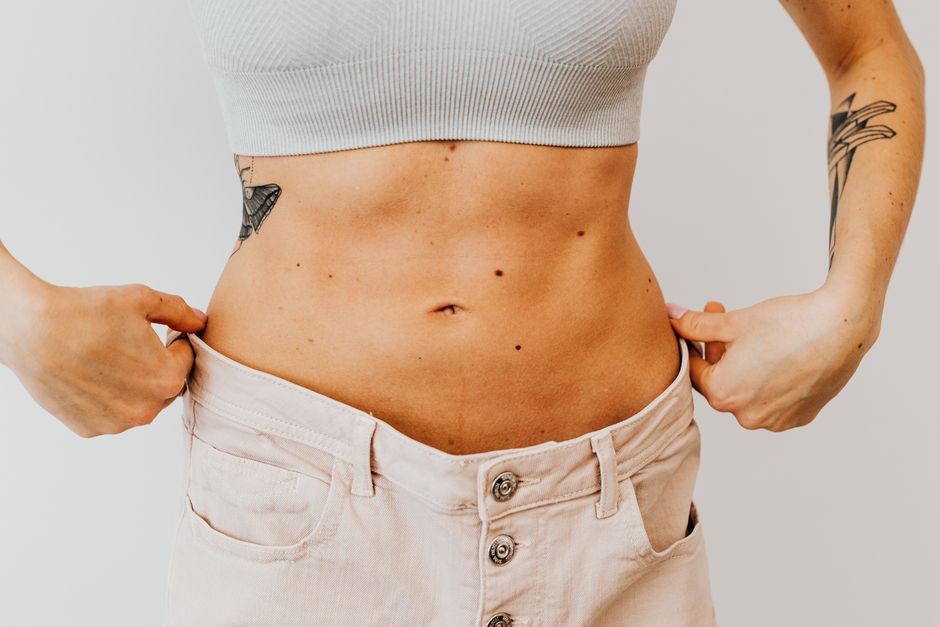
Stomach fat is stubborn, but it is not mysterious. The honest answer to how to lose stomach fat for women is this: you cannot target belly fat with crunches or waist trainers, and no single food burns it off. What works is lowering overall body fat through a calorie deficit, building and keeping muscle, managing sleep and stress, and being patient with a process that takes months, not weeks. Where your body stores fat is largely genetic and hormonal, and for women, that pattern shifts with age and life stage.
Why Does Belly Fat Seem Harder to Lose for Women?
Fat storage is not random. It is directed by hormones, genetics, and where your body prefers to keep its reserve fuel.
Women tend to carry more subcutaneous fat — the soft fat just under the skin — around the hips, thighs, and lower belly. This is largely driven by estrogen. After menopause, estrogen drops, and fat distribution often shifts toward the abdomen, more like the male pattern. That shift is well documented and is one reason belly fat can feel like it appears out of nowhere in the 40s and 50s.
There is also visceral fat, which sits deeper inside the abdomen around the organs. Visceral fat is more metabolically active and more strongly linked to health risks than the fat you can pinch. It is not visible from the outside, which is why a person can look relatively lean and still carry a meaningful amount of it.
The key point: you cannot choose where your body burns fat from. When you create a calorie deficit, fat is released from stores all over the body in a pattern your biology decides, not you. Spot reduction through exercise does not work. This has been tested repeatedly, and the evidence consistently shows that working a specific muscle does not preferentially burn the fat sitting on top of it.
What Actually Drives Stomach Fat Gain?
Stomach fat accumulates when you consistently take in more energy than you use, but several factors influence how easily that happens and where the fat lands.
- Calorie surplus over time. This is the foundation. Small, sustained surpluses add up quietly.
- Hormonal shifts. Menopause and perimenopause change fat distribution. So can conditions like polycystic ovary syndrome, which affects how the body handles insulin and where fat is stored.
- Sleep debt. Short sleep is associated with changes in appetite hormones and with weight gain over time in observational studies.
- Chronic stress. Sustained stress raises cortisol, and cortisol promotes fat storage, particularly in the abdominal area.
- Genetics. Your inherited fat distribution pattern is real and not something you can override with willpower.
- Alcohol. Alcohol adds calories and can increase appetite. It is not uniquely fattening for the belly, but it contributes to overall surplus.
One clarification worth making: the idea that a specific food or a “hormone imbalance” is secretly causing your belly fat is mostly marketing. For most women, the driver is a slow accumulation of energy surplus combined with the hormonal and lifestyle factors above. That is less exciting than a detox tea, but it is what the evidence supports.
How Do You Lose Stomach Fat Without Losing Muscle?
You lose fat by eating slightly less than you burn, and you protect muscle by eating enough protein and doing resistance training. Those two things together are the backbone of changing your body composition.
A moderate calorie deficit works better than an aggressive one. Very low calorie diets tend to cost you muscle along with fat, and they are hard to sustain. A deficit that lets you lose roughly half a pound to a pound per week is a reasonable pace for most women, though the exact number depends on your starting size and activity.
Protein matters more than most people realize. When you are in a deficit, higher protein intake helps preserve muscle and keeps you fuller. Resistance training — lifting weights, using bands, or bodyweight strength work — signals your body to keep the muscle it has. Without that signal, a large share of your weight loss can come from muscle, which slows your metabolism over time and makes the fat easier to regain.
Cardio has a place, but it is not the main tool. It burns calories and supports heart health. It does not build the muscle that keeps your metabolism steady. The combination — strength training plus a modest deficit plus adequate protein — is what changes body composition.
No exercise can burn fat from your stomach specifically. Training your core strengthens those muscles, which can improve posture and how your midsection looks, but it does not strip the fat covering them.





Does Diet or Exercise Matter More for Belly Fat?
Diet drives fat loss more than exercise does. It is easier to eat 400 fewer calories than to burn 400 through activity, and most people cannot out-train a poor diet.
That said, exercise does something diet cannot: it preserves and builds muscle, supports insulin sensitivity, and helps you keep the weight off. Studies on weight maintenance consistently find that people who keep weight off long term tend to be physically active. So the honest framing is not diet versus exercise. Diet creates the fat loss. Exercise protects the muscle and helps it last.
What you eat matters less than how much, at the level of total calories. But food quality affects how full you feel and how easy the deficit is to maintain. Whole foods — vegetables, fruit, lean protein, legumes, whole grains — tend to be more filling per calorie than highly processed foods. Fiber slows digestion and helps with appetite. None of this is a shortcut, but it makes the process less miserable.
What About Sleep, Stress, and Alcohol?
These are not the main event, but they can quietly work against you.
Short sleep is linked to higher levels of ghrelin, a hormone that increases hunger, and lower levels of leptin, which signals fullness. Over time, that combination tends to increase calorie intake. Getting consistent, adequate sleep does not burn belly fat by itself, but chronic sleep deprivation makes the whole process harder.
Chronic stress raises cortisol, and sustained high cortisol is associated with abdominal fat storage. Managing stress is not a fat-loss strategy on its own, but unmanaged stress can undermine sleep, appetite control, and motivation.
Alcohol adds calories that most people do not account for, and it tends to increase appetite. Cutting back often creates an easy deficit without changing anything else. There is no evidence that a specific drink targets belly fat — the effect is through total calories and appetite.
Can You Target Belly Fat With Crunches or Waist Trainers?
No. Spot reduction does not work, and waist trainers do not reduce fat.
Crunches and core exercises strengthen the abdominal muscles underneath the fat. They do not burn the fat sitting on top of them. The muscle you build is real, and it can improve how your midsection looks once fat is reduced, but the exercise itself does not choose where fat comes off.
Waist trainers squeeze the midsection temporarily and can make you look slimmer while worn. They do not reduce fat, and there is no clinical evidence they change fat distribution. Wearing one does not make you lose weight in your stomach.
Fat loss comes off in a pattern your body decides. For many women, the belly is one of the last places to show change and one of the first to regain fat. That is frustrating but normal, and it is not a sign you are doing something wrong.
How Long Does It Take to See Results?
Real fat loss takes months, not days. A sustainable rate is roughly half a pound to a pound per week for most women, though this varies with starting weight and how large your deficit is.
Early weight loss on the scale is often partly water, which can make the first week or two look dramatic and then slow down. That slowdown is not failure — it is the shift from water loss to actual fat loss.
Where you lose fat first is genetic. Some women notice their face, arms, or legs change before their stomach does. The belly often lags. Consistency over months is what moves it, not any single week.
If you have a medical condition affecting weight, such as thyroid disease or PCOS, or if you are on medications that promote weight gain, talk with a clinician. The general approach still applies, but the pace and the plan may need adjusting.
Frequently Asked Questions
Can you lose belly fat without losing weight?
You can change body composition without the scale moving much if you lose fat and gain muscle at the same time. This is more common in people new to strength training, but it is generally slow and modest.
Do waist trainers actually reduce stomach fat?
No. Waist trainers squeeze the midsection while worn but do not reduce fat, and no clinical evidence shows they change fat distribution.
How long does it take to lose stomach fat for women?
Expect months, not weeks. A sustainable pace is about half a pound to a pound per week, and the belly is often one of the last areas to show visible change.
Is belly fat different from other fat?
Visceral fat, which sits deep around the organs, is more metabolically active and more strongly linked to health risks than the fat you can pinch under the skin. Both respond to overall fat loss, not spot reduction.
