
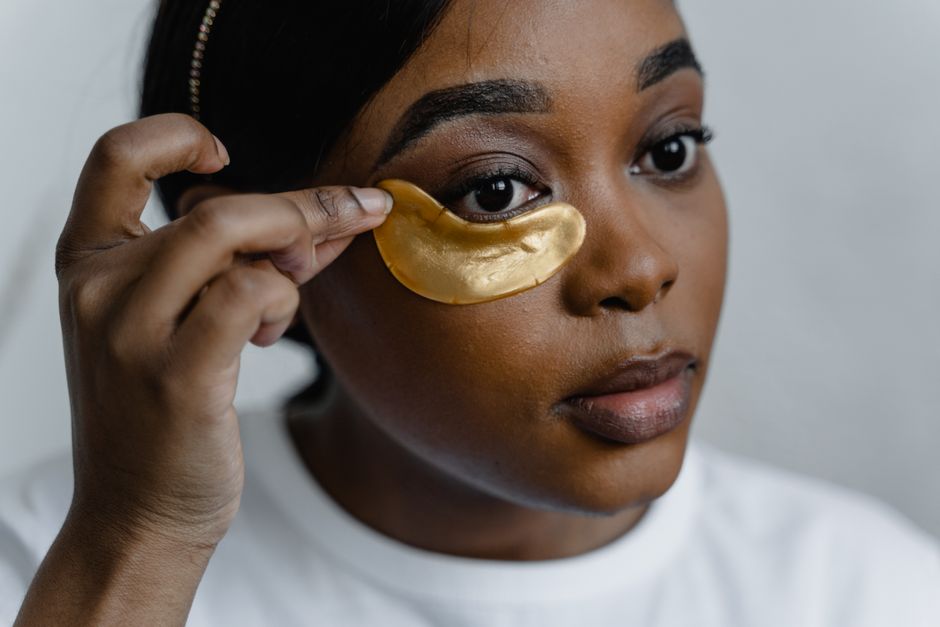
Dark circles under the eyes are one of the most common cosmetic complaints, but they are rarely a medical problem. The cause is usually a combination of genetics, natural aging, and lifestyle habits. Fixing them depends entirely on identifying which type you have, because a cream that works for thinning skin will not help with pigmentation, and neither will address a hollow created by bone structure.
What Causes Dark Circles Under the Eyes?
Dark circles are not a single condition. They are a visual symptom with several distinct underlying causes. The skin under the eye is the thinnest on the body, which makes the blood vessels beneath it more visible.
The most common causes include:
- Genetics: Your bone structure and skin tone are inherited. Some people naturally have deeper tear troughs or darker pigmentation.
- Thinning skin: Collagen production slows with age. The skin becomes more transparent, making dark blood vessels show through.
- Volume loss: Fat pads under the eyes shrink over time. This creates a hollow shadow that looks like a dark circle.
- Hyperpigmentation: Excess melanin deposits under the eyes. This is more common in people with darker skin tones.
- Blood vessel visibility: When blood pools in the tiny vessels under the eye, it shows as a blue or purple tint.
- Lifestyle factors: Lack of sleep, dehydration, and allergies can make existing dark circles worse, but they rarely cause them on their own.
Allergies are a frequently overlooked cause. Histamine release causes blood vessels to dilate and fluid to pool. Rubbing itchy eyes breaks capillaries and makes the area darker over time.
How To Tell Which Type of Dark Circles You Have
Treatment only works when it matches the cause. You can identify your type with a simple test at home.
Stretch the skin under your eye gently with your finger. If the area lightens when stretched, your dark circles are caused by blood vessels. If the color stays the same, you likely have pigmentation. If you see a shadow that disappears when you look up toward the ceiling, you have a hollow caused by volume loss.
This distinction matters. A vitamin C serum can help with pigmentation but will do nothing for a structural shadow. A filler addresses hollowness but will not change skin color.
Age is also a clue. Younger people with dark circles usually have a genetic or pigmentation component. People over 40 more often have volume loss and thinning skin as the primary drivers.
Can You Actually Get Rid of Dark Circles Permanently?
No treatment permanently eliminates dark circles for everyone. The honest answer is that most treatments manage the appearance rather than cure the cause.
Pigmentation can be reduced significantly with consistent treatment. Blood vessel visibility can improve with lifestyle changes. Volume loss requires ongoing maintenance because fillers dissolve over time. Thinning skin is a natural aging process that can be slowed but not reversed.
If your dark circles are genetic, you can improve them but not erase them. If they are caused by allergies or sleep deprivation, fixing those underlying issues can produce dramatic improvement. If they are structural, only cosmetic procedures will make a visible difference.
The most realistic goal is visible improvement, not perfection. Products and treatments that promise complete elimination are not supported by clinical evidence.





What Are the Most Effective Treatments for Dark Circles?
Treatment options range from topical creams to in-office procedures. The right choice depends on your cause, budget, and tolerance for risk.
Topical treatments
Over-the-counter creams work best for pigmentation and mild blood vessel visibility. Look for ingredients with clinical evidence behind them.
- Vitamin C (ascorbic acid): Reduces melanin production and brightens skin.
- Retinoids: Stimulate collagen production and thicken skin over time.
- Caffeine: Constricts blood vessels temporarily and reduces puffiness.
- Niacinamide: Helps with pigmentation and strengthens the skin barrier.
- Kojic acid: Inhibits melanin production.
Topical products take time. Expect at least 8 to 12 weeks of consistent use before seeing noticeable change. No cream will eliminate structural hollowness.
Medical and cosmetic procedures
For structural causes, procedures are the only effective option.
- Dermal fillers: Hyaluronic acid fillers fill the tear trough and reduce shadowing. Results last 6 to 18 months depending on the product.
- Chemical peels: Help with pigmentation but must be done carefully under the eyes.
- Laser therapy: Targets pigmentation and stimulates collagen. Multiple sessions are usually needed.
- Microneedling: Promotes collagen production and may thicken thin skin.
- Platelet-rich plasma (PRP): Uses your own blood growth factors to stimulate collagen. Evidence is mixed.
These procedures carry risks. Bruising, swelling, and infection are possible. Filler placed incorrectly can cause lumps or damage blood vessels. Always see a board-certified dermatologist or plastic surgeon for these treatments.
Which Lifestyle Changes Actually Help Dark Circles?
Lifestyle changes matter most when dark circles are caused or worsened by modifiable factors. They will not fix genetics, but they can prevent the problem from getting worse.
Sleep: Poor sleep dilates blood vessels and causes fluid to pool. Most adults need 7 to 9 hours. Consistent sleep timing matters more than total hours for skin appearance.
Allergy management: Treating allergies with antihistamines reduces the urge to rub your eyes. Avoiding known triggers helps prevent the histamine response that darkens the under-eye area.
Hydration: Dehydration makes the skin look dull and sunken. Drinking enough water helps, but it will not fix structural dark circles.
Sun protection: UV exposure increases melanin production. Daily sunscreen around the eyes prevents pigmentation from worsening.
Diet: Iron deficiency anemia can cause pale skin that makes blood vessels more visible. A diet low in iron or vitamin B12 may contribute to dark circles in some people.
Salt intake: High sodium intake promotes fluid retention, which can make under-eye puffiness worse.
Do Home Remedies for Dark Circles Actually Work?
Home remedies are popular because they are cheap and accessible. Most have little to no clinical evidence supporting them.
Cold compresses: Constrict blood vessels and reduce puffiness temporarily. The effect lasts a few hours at most. This works for the blood vessel type but not for pigmentation or hollowness.
Cucumber slices: Provide a cooling effect and hydration. There is no evidence that cucumber contains anything that treats dark circles specifically.
Tea bags: Caffeine in tea can constrict blood vessels. Used tea bags are not sterile and can introduce bacteria to the eye area. If you try this, use a clean, cooled tea bag and do not reuse it.
Potato slices: No clinical evidence supports this. Skip it.
Almond oil: Moisturizes the skin but has no proven effect on pigmentation or blood vessels.
These remedies are not harmful in most cases, but they will not produce lasting change. If a home remedy causes redness, itching, or burning, stop using it immediately.
When Should You See a Doctor About Dark Circles?
Dark circles are almost always cosmetic. However, there are situations where medical evaluation is appropriate.
See a doctor if you have dark circles along with other symptoms. These include:
- Severe fatigue or shortness of breath, which could indicate anemia
- Swelling around the eyes that is painful or persistent
- Dark circles that appear suddenly and worsen rapidly
- Dark circles only under one eye
- Skin changes such as thickening or discoloration beyond the under-eye area
A dermatologist can diagnose the specific type of dark circles you have and recommend evidence-based treatments. An allergist can help if allergies are the underlying cause.
Frequently Asked Questions
How long does it take for eye creams to work on dark circles?
Most topical treatments take 8 to 12 weeks of consistent daily use before visible improvement appears. Products that promise faster results are not supported by clinical evidence.
Are dark circles a sign of a health problem?
Usually not. Dark circles are most often genetic or age-related. Persistent fatigue, shortness of breath, or sudden changes should be evaluated by a doctor.
Can lack of sleep cause dark circles?
Yes, but only temporarily. Poor sleep dilates blood vessels and causes fluid pooling, which makes the under-eye area look darker. Catching up on sleep usually resolves this within a few days.
Do fillers permanently fix dark circles?
No. Hyaluronic acid fillers dissolve naturally over time, typically lasting 6 to 18 months. Repeat treatments are needed to maintain the effect.
