
Tight calf muscles are one of the most common complaints among active adults, and they rarely come from a single cause. The calves are asked to do a lot — they push you off the ground with every step, absorb landing forces, and quietly compensate when your ankles or hips are stiff. Loosening them for lasting relief comes down to three things: releasing the tissue, restoring ankle motion, and fixing the daily habits that keep retightening them. Stretching alone often gives only temporary relief because it addresses the symptom, not the reason the muscle stays tight.
Why Do Calf Muscles Stay Tight Even When You Stretch?
The calf is not one muscle. It is a group, and the two main players behave differently.
The gastrocnemius is the visible bulge on the back of your lower leg. It starts above the knee joint, which means it crosses both the knee and the ankle. The soleus sits underneath it and starts below the knee, so it only crosses the ankle. This anatomical difference matters more than most people realize.
Because the gastrocnemius crosses the knee, it can only be fully lengthened when your knee is straight. The soleus, sitting deeper, is best targeted with a bent knee. If you only ever stretch with a straight leg, you are mostly missing the soleus. That is one reason tightness can persist despite regular stretching.
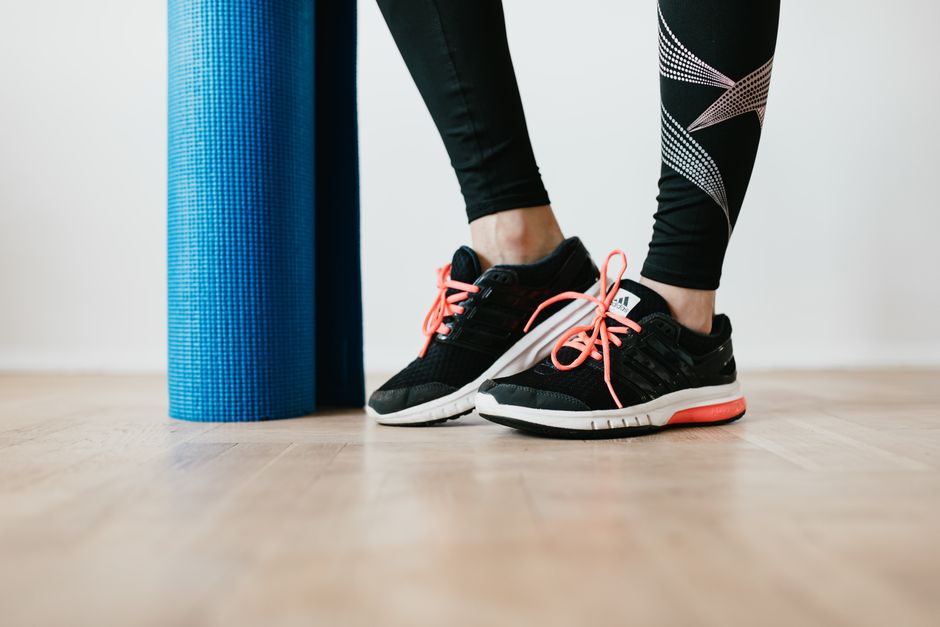
There is a second issue. A muscle held in a shortened position for hours tends to stay short. Sitting with your feet flat and knees bent keeps the calves slightly slack, but prolonged standing in shoes with a raised heel — including most athletic shoes and dress shoes — keeps the calf in a mildly shortened position for much of the day. The tissue adapts to whatever position it spends the most time in.
Finally, tightness is not always about muscle length. Sometimes the muscle feels tight because it is working harder than it should. If your ankle does not bend well, or if your hips are weak, the calf picks up the slack. Stretching a muscle that is overworked gives relief for an hour and then the pattern returns.
What Is the Most Effective Way To Loosen Tight Calf Muscles?
Lasting change comes from working on the tissue and the joint, not the muscle alone.
The ankle joint is the piece most people skip. To walk normally, your ankle needs to bend so your shin moves forward over your foot. When that motion is limited, the calf has to work around the restriction. Improving ankle mobility often reduces calf tightness more than stretching the calf directly.
A simple way to test your own ankle motion is the knee-to-wall drill. Stand facing a wall with your toes a few inches away. Keep your heel flat and drive your knee toward the wall. If your knee cannot reach the wall without your heel lifting, or if you feel a hard block at the front of the ankle, your ankle motion may be limited. This is a rough screen, not a diagnosis, but it points you toward the right target.
Effective loosening generally combines:
- Stretching both calf muscles — straight knee for the gastrocnemius, bent knee for the soleus
- Ankle mobility work to restore forward shin travel over the foot
- Strengthening the calf through its full range, especially the lowered heel position
- Reducing the time your calf spends in a shortened position each day
Notice that strengthening is on the list. A calf that can produce force through a full range tends to feel less tight than one that is weak and guarded. This is the part most stretching-only routines miss.
How Do You Stretch the Calf Muscles Correctly?
Two stretches cover the two muscles. Do both, because they target different tissue.
Straight-knee calf stretch (gastrocnemius): Stand facing a wall and place both hands on it. Step one foot back, keeping that back knee straight and the heel flat on the floor. Lean forward until you feel a stretch in the upper calf. Hold for 30 seconds. A commonly used range in clinical practice is 2 to 3 repetitions per side.
Bent-knee calf stretch (soleus): From the same position, bend the back knee while keeping the heel down. You should feel the stretch lower in the calf, closer to the ankle. Hold for 30 seconds, 2 to 3 times per side.
A few details make the difference between a useful stretch and a wasted one:
- Keep the heel down. If it lifts, you have lost the stretch.
- Point your toes straight ahead or slightly inward. Turning the foot out shifts the stretch away from the calf.
- Stretch after activity or after a warm shower, when tissue is warmer and more pliable.
- Do not bounce. A steady hold is what the evidence supports for improving range of motion.
If you feel a sharp pain, numbness, or tingling into the foot, stop. That is not a stretch sensation and it needs a different evaluation.



Does Foam Rolling Actually Help Tight Calves?
Foam rolling can reduce the feeling of tightness, at least in the short term. What it does not do is permanently lengthen the muscle.
The mechanical effect of rolling is modest. You cannot generate enough force through a foam roller to physically stretch muscle tissue the way a sustained stretch can. What rolling appears to do is influence how the tissue and nervous system sense tension. Some studies suggest it temporarily increases range of motion and reduces perceived tightness, likely through nervous system effects rather than structural change.
That still makes it useful. If rolling makes it easier to move through a full range, or makes a stretch more comfortable, it earns its place. Think of it as preparation, not the main event.
Practical use: roll the calf slowly for about 30 to 60 seconds per side, pausing on tender spots rather than racing over them. Some clinicians recommend avoiding direct, heavy pressure on the back of the knee, where nerves and blood vessels sit close to the surface. If you have a history of blood clots, varicose veins, or you take blood-thinning medication, check with a clinician before rolling or massaging the calf.
Which Daily Habits Keep Calf Muscles Tight?
The stretch you do for two minutes rarely outweighs the position you hold for eight hours.
Heel height is the biggest lever. Shoes with a raised heel — including most running shoes, many casual shoes, and dress shoes — keep the calf in a shortened position. That does not mean you need to abandon them. It means the calf needs to spend time in a lengthened position to balance it out. Walking barefoot or in flat shoes on safe surfaces, when your feet tolerate it, gives the calf that time.
Sitting matters too. Long stretches of sitting with your knees bent and feet flat keep the calves slack. Standing up regularly and moving through a full ankle range interrupts that pattern.
Two other habits are worth noticing:
- High-volume running or jumping without calf strengthening. The tissue gets loaded repeatedly but never trained to handle it well.
- Ignoring hydration and electrolytes during long, hot exercise. Cramping and tightness during activity can reflect fluid and mineral balance, not just muscle length. This is a different problem from chronic tightness and needs a different fix.
If your calves feel tight mainly at night or during exercise, and you also get cramps, that pattern points more toward hydration, electrolytes, or circulation than toward muscle length. Those are worth raising with a clinician.
When Should You See a Professional About Tight Calves?
Most calf tightness responds to consistent self-care over several weeks. Some situations need a professional look.
Seek medical care promptly if calf tightness comes with swelling, warmth, redness, or pain that worsens when you walk or when you point your toes up. These can be signs of a deep vein clot, which is a medical emergency, not a stretching problem. The same goes for sudden calf pain after a long period of immobility, such as a flight or a hospital stay.
Also get evaluated if you have:
- Numbness, tingling, or weakness in the foot or lower leg
- Tightness that follows a specific injury and does not improve
- Cramps that are frequent, severe, or happening at rest
- No improvement after several weeks of consistent stretching and mobility work
A physical therapist can assess ankle mobility, calf strength, and walking mechanics to find what is actually driving the tightness. That is often faster than guessing at stretches. If a specific restriction in the ankle joint is the cause, no amount of calf stretching will fix it, and a clinician can identify that.
There is no single timeline that applies to everyone. Some people notice change within a couple of weeks of consistent work. Others need longer, especially if the tightness has built up over years. Progress tends to track with how consistently the ankle and calf are both addressed, not with how hard you stretch.
Frequently Asked Questions
How long does it take to loosen tight calf muscles?
Many people notice some improvement within two to four weeks of consistent stretching and ankle mobility work. Lasting change usually takes longer and depends on addressing the daily habits that keep the muscle short.
Should I stretch a tight calf every day?
Daily stretching is generally well tolerated and often recommended for improving range of motion. If a stretch causes sharp pain or leaves you sorer the next day, reduce the intensity or frequency.
Why do my calves feel tight but not actually short?
Tightness is a sensation, and it can come from a muscle that is overworked, weak, or guarding rather than one that is physically short. In that case, strengthening and ankle mobility work often help more than stretching.
Can tight calf muscles cause knee or foot pain?
Limited ankle motion can change how force travels through the foot and knee during walking and running. Some research links restricted ankle mobility to altered loading, though the relationship varies between people and is not universal.
