
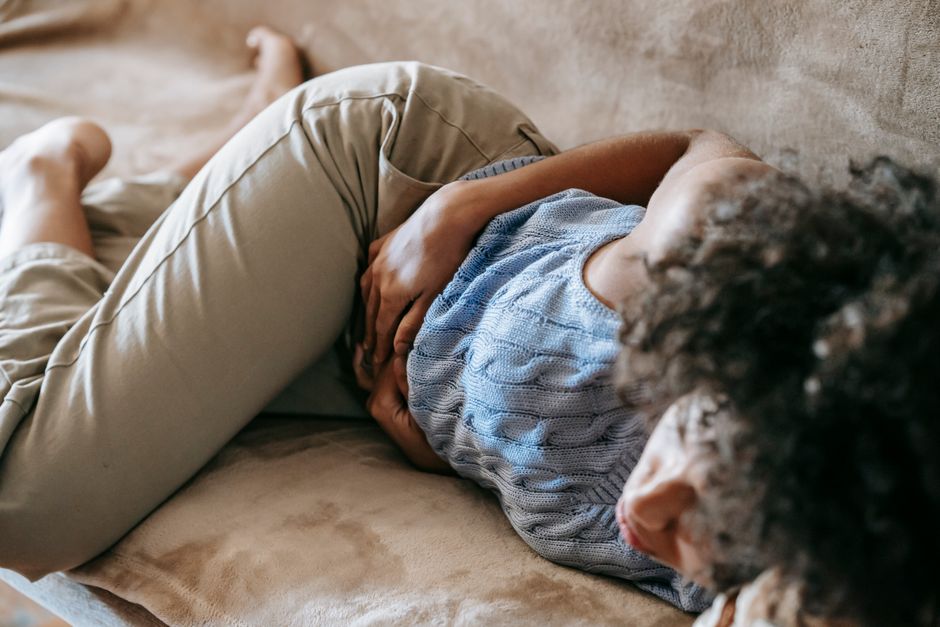
Living with endometriosis means managing a condition that can affect nearly every part of your day. The pain is real, the fatigue is real, and the frustration is real. There is no cure, but there are evidence-based ways to reduce symptoms, protect your quality of life, and advocate for better care. The goal is not to pretend the condition is gone. The goal is to build a life that works around it.
What Is Endometriosis and Why Does It Hurt So Much?
Endometriosis is a condition where tissue similar to the lining of the uterus grows outside the uterus. This tissue can appear on the ovaries, fallopian tubes, the bladder, the bowel, and the tissue lining the pelvis. It responds to the same hormonal signals as the uterine lining, which means it thickens and breaks down each cycle. But unlike the uterine lining, this tissue has nowhere to exit the body.
The trapped tissue causes inflammation, scarring, and adhesions. That inflammation is a major driver of pain. Research consistently shows that the amount of pain a person feels does not always match the amount of disease visible on a scan or during surgery. Some people with mild disease have severe pain. Some with extensive disease have minimal symptoms. The pain is not in your head. It is a complex biological process involving nerves, inflammation, and the immune system.
Pain can occur during menstruation, but it can also happen at ovulation, during sex, with bowel movements, or throughout the entire cycle. Some people describe a deep, stabbing ache. Others feel a constant dull pressure. The location varies depending on where the lesions are.
How To Live With Endometriosis Pain Fatigue And More: The Daily Basics
There is no single strategy that works for everyone. But a layered approach — combining medical care, symptom management, and daily habits — tends to work better than relying on one method alone.
Heat therapy is one of the most accessible tools. A heating pad or warm bath can relax pelvic muscles and reduce cramping. It does not treat the disease itself, but it can make the pain more bearable. Over-the-counter nonsteroidal anti-inflammatory drugs (NSAIDs) like ibuprofen or naproxen can reduce prostaglandins, the chemicals that drive uterine contractions and inflammation. Take them at the first sign of pain rather than waiting until the pain peaks. Always follow the label instructions and check with your doctor if you take them regularly, because long-term daily use carries risks to the stomach and kidneys.
Gentle movement helps some people. Walking, stretching, yoga, and swimming can improve blood flow and reduce muscle tension. High-intensity exercise during a flare can make pain worse, so learn to distinguish between movement that helps and movement that aggravates. Pelvic floor physical therapy is another option. A trained therapist can help identify muscle tightness or trigger points that contribute to pelvic pain. Some studies suggest this type of therapy reduces pain and improves function, though it does not treat the lesions themselves.
What Actually Helps with Endometriosis Fatigue?
Fatigue in endometriosis is not just feeling tired. It is a deep, unrelenting exhaustion that does not resolve with a good night of sleep. The cause is likely multifactorial. Chronic inflammation places constant demand on the body. Pain disrupts sleep. The emotional toll of living with a chronic condition drains energy. Some research also links endometriosis to alterations in how the body regulates energy and stress hormones.
Pacing is the most practical strategy. Instead of pushing through until you crash, break tasks into smaller chunks. Work for 20 minutes, then rest. Spread household chores across the week rather than doing everything in one day. This approach, borrowed from chronic fatigue management, helps prevent the boom-and-bust cycle where a good day leads to overdoing it and then several bad days follow.
Sleep quality matters more than sleep quantity. Keep a consistent sleep schedule. Limit caffeine in the afternoon. Reduce screen time before bed. If pain keeps you awake, talk to your doctor about pain management strategies that work overnight. Some people find that a warm bath before bed, a heating pad, or a specific sleep position — such as lying on your side with a pillow between your knees — reduces nighttime discomfort.
Nutrition cannot cure endometriosis, and no diet has been proven to eliminate symptoms. But some evidence suggests that diets high in anti-inflammatory foods — fruits, vegetables, whole grains, and omega-3 fatty acids from fish — may help some people. Limiting processed foods and excess alcohol may also reduce symptom severity for some. Keep a symptom diary to see if specific foods trigger flares for you. The evidence here is not strong enough to recommend a strict elimination diet, but it is reasonable to test whether dietary changes help your specific symptoms.




Medical Treatments: What Are Your Options?
Hormonal treatments are the most common medical approach. Combined oral contraceptives, progestins, and gonadotropin-releasing hormone (GnRH) agonists work by suppressing ovulation and reducing the hormonal stimulation of endometrial tissue. These treatments do not cure endometriosis, but they can significantly reduce pain for many people. They work best when taken continuously rather than cyclically, meaning you skip the placebo week to avoid a withdrawal bleed.
Pain medications are part of the picture for many. NSAIDs are the first-line option. For more severe pain, some clinicians prescribe neuropathic pain medications, which target nerve-related pain rather than inflammation. These are prescribed off-label for endometriosis, meaning they are approved for other conditions but used for this one based on clinical experience and some research evidence.
Surgery is an option when medical management fails or when the disease is causing structural problems like ovarian cysts. Laparoscopic excision surgery removes the endometrial lesions. Excision, which involves cutting out the lesions, is generally considered more effective than ablation, which burns the surface of the lesions. Surgery can provide significant pain relief, but the disease can return. The recurrence rate varies widely between individuals, and some people need repeat surgeries over time.
Hysterectomy — removal of the uterus — is sometimes discussed as a definitive treatment. It is not. Removing the uterus alone does not cure endometriosis because the lesions are outside the uterus. Removing the ovaries reduces estrogen production, which can shrink lesions, but this induces surgical menopause and carries its own health risks. This is a major decision that should be made in consultation with a gynecologist who specializes in endometriosis.
Mental Health and Emotional Support
Living with chronic pain changes your relationship with your body and your life. Depression and anxiety are more common in people with endometriosis than in the general population. This is not a psychological weakness. It is a predictable response to chronic pain, disrupted sleep, and the social consequences of a condition that is often invisible and misunderstood.
Therapy can help. Cognitive behavioral therapy (CBT) is the most studied approach for chronic pain. It helps people identify unhelpful thought patterns and develop coping strategies. Some research shows CBT reduces pain-related distress and improves function in chronic pain conditions, though it does not reduce the pain itself. Acceptance and commitment therapy (ACT) is another approach that focuses on building psychological flexibility — learning to live a meaningful life alongside the pain rather than waiting for the pain to disappear.
Support groups, whether in person or online, can reduce isolation. Connecting with others who understand the condition can be validating and practical. Other people often know about local specialists, helpful products, and workplace accommodations that you may not have considered.
Advocating for Yourself in the Medical System
Endometriosis is frequently underdiagnosed or misdiagnosed. The average time from symptom onset to diagnosis is often reported as several years. One reason is that period pain is often normalized, even when it is severe enough to disrupt daily life. Another reason is that the only definitive way to diagnose endometriosis is through laparoscopic surgery, and not everyone with symptoms undergoes that procedure. Ultrasound and MRI can identify some types of endometriosis, particularly ovarian cysts, but they cannot rule the disease out.
If your pain is not being taken seriously, seek a second opinion. Ideally, find a specialist — a gynecologist who focuses on endometriosis or a pelvic pain clinic. These specialists are more likely to offer the full range of treatment options, including excision surgery and multidisciplinary pain management.
Track your symptoms before appointments. Note the location and quality of your pain, what makes it worse, what makes it better, and how it affects your work, sleep, and relationships. This information helps your doctor understand your specific pattern and makes it easier to evaluate whether treatments are working.
Practical Life Adjustments That Make a Real Difference
Workplace accommodations can help. Under the Americans with Disabilities Act, endometriosis can qualify as a disability if it substantially limits a major life activity. Reasonable accommodations might include flexible start times, the ability to work from home during flares, a heating pad at your desk, or ergonomic seating. You do not have to disclose your diagnosis to your employer to request accommodations, though you will need to provide some documentation from your healthcare provider.
Plan for bad days. Have a flare kit ready — heating pad, pain medication, comfortable clothing, and easy-to-prepare meals. Communicate with your partner or household members about what you need when you are struggling. Many people find it helpful to have a conversation about how to share household responsibilities on days when pain or fatigue makes normal tasks impossible.
Track your cycle if you still menstruate. Some people find that symptoms follow a predictable pattern, which allows them to plan demanding activities for better days and schedule rest during expected flares. This does not work for everyone, especially those with severe pain throughout the cycle, but it is a low-cost strategy worth trying.
Frequently Asked Questions
Can endometriosis go away on its own?
Endometriosis does not typically resolve without treatment. Symptoms may fluctuate over time, and some people experience temporary relief during pregnancy or after menopause, but the lesions themselves usually persist without medical or surgical intervention.
Is pregnancy a cure for endometriosis?
No. Pregnancy can temporarily suppress symptoms because hormonal changes halt ovulation and menstruation, but the disease is not cured. Symptoms often return after pregnancy when the menstrual cycle resumes.
Does diet actually affect endometriosis symptoms?
Some people report that certain foods worsen their symptoms, but no diet has been proven to treat the disease. An anti-inflammatory eating pattern is reasonable to try, and keeping a symptom diary can help you identify personal triggers.
How do I know if my period pain is normal or endometriosis?
Period pain that consistently interferes with daily activities, requires strong pain medication, or gets progressively worse over time is not normal. Pain during sex, bowel movements, or urination around your period is also a reason to seek evaluation from a gynecologist.
