
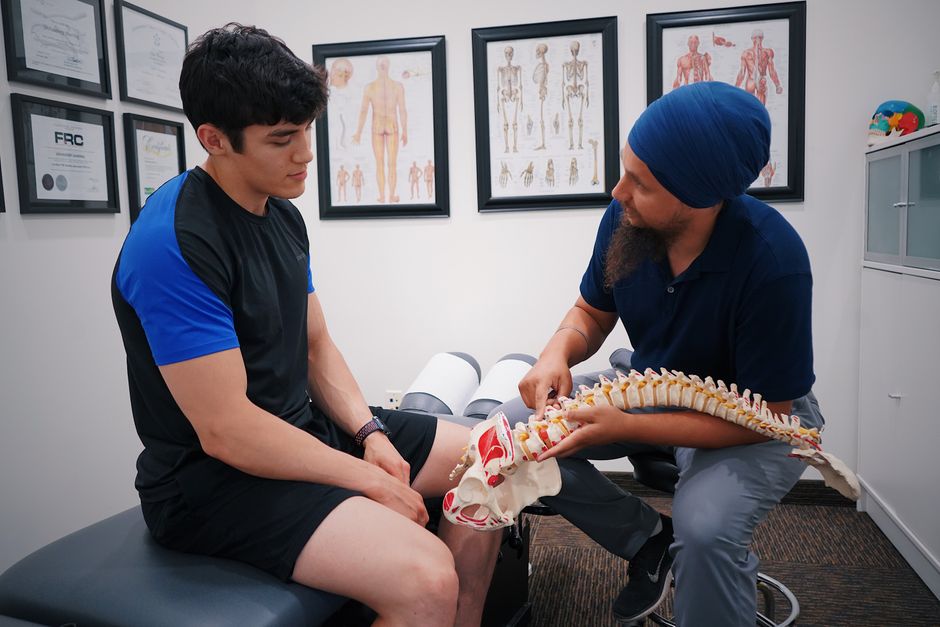
Living well with spinal stenosis starts with understanding that a diagnosis is not a sentence to a life of constant pain. Most people with spinal stenosis manage their symptoms effectively and maintain active, fulfilling lives. The key is learning how your spine works, which movements help or hurt, and how to build a daily routine that protects your back while keeping you moving.
What Exactly Is Spinal Stenosis?
Spinal stenosis is a narrowing of the spaces within your spine. This narrowing puts pressure on the nerves that travel through the spinal column. It most often happens in the lower back (lumbar stenosis) or the neck (cervical stenosis).
The pressure on nerves is what causes symptoms. It is not simply arthritis or back pain. The nerve compression is what creates that specific set of problems like pain, numbness, and weakness that can radiate down your legs or arms.
Most cases develop slowly over years. Wear and tear on the spine leads to bone spurs, thickened ligaments, and disc problems that shrink the space available for nerves.
What Does Spinal Stenosis Feel Like?
Symptoms vary depending on where the narrowing is. In the lower back, you might feel pain or cramping in your legs when you stand or walk. This often eases when you sit down or lean forward. Many people describe it as feeling like their legs are heavy or like they need to sit down after walking a short distance.
In the neck, symptoms can include neck pain, numbness or tingling in the hands or arms, and sometimes balance problems. In more serious cases, bowel or bladder issues can occur. That situation requires immediate medical attention.
One common pattern is that leaning forward, like pushing a shopping cart, often relieves symptoms. This position opens up more space in the spinal canal and takes pressure off the nerves.
How To Live Well With Spinal Stenosis Every Day?
Your daily habits matter more than any single treatment. The goal is to find positions and activities that keep your spine in a neutral or slightly flexed position. That means avoiding prolonged standing in one spot and learning to read your body’s signals.
Walking with a slight forward lean can help. Using a shopping cart or a walker with a seat gives you somewhere to rest and lets you lean forward naturally. Plan your routes so you know where you can sit down if needed.
Pay attention to your posture. Standing up straight with your shoulders back may actually worsen symptoms because it increases the curve in your lower back. A slight forward bend often feels better. Experiment to find what works for you.
Rest is important, but too much rest weakens muscles. The balance is staying active while avoiding positions that compress your nerves. Short periods of activity with regular breaks usually work best.




What Exercises Help Spinal Stenosis?
Exercise is one of the most effective tools for managing spinal stenosis. The right exercises strengthen the muscles that support your spine and improve flexibility. The wrong exercises can make symptoms worse.
Walking is generally good, especially if you can lean forward slightly. Swimming and water exercises are excellent because the water supports your body weight and lets you move without jarring your spine. Stationary cycling, especially on a recumbent bike, keeps your spine in a flexed position and is often well tolerated.
Core strengthening exercises help stabilize your spine. Gentle stretches for your hamstrings and hip flexors can reduce tension in your lower back. Many people find that exercises that flex the spine forward, like pulling your knees to your chest, provide relief.
Avoid exercises that involve bending backward. This includes back extensions, certain yoga poses, and overhead presses. These movements narrow the spinal canal further and can increase nerve compression.
Work with a physical therapist to build a program specific to your situation. They can teach you proper form and help you progress safely. Some research suggests that physical therapy can be as effective as surgery for some people with lumbar stenosis.
What Daily Habits Reduce Pain and Protect Your Spine?
Small changes in how you move throughout the day can make a big difference. When you stand, shift your weight frequently. Put one foot up on a small stool if you must stand for a while. This takes pressure off your lower back.
When you sit, choose chairs that support your lower back. A lumbar roll or a rolled-up towel can help. Keep your hips slightly higher than your knees by using a small footstool. Get up and move every 30 to 45 minutes to prevent stiffness.
Lifting technique matters. Always bend at your knees, not your waist. Hold objects close to your body. Never twist while lifting. If an object is heavy or awkward, get help or use a cart.
Sleep position can affect your symptoms. Sleeping on your side with a pillow between your knees keeps your spine aligned. Sleeping in a recliner or with pillows propping your upper body can help if you have cervical stenosis. Find the position that gives you the most comfortable night’s sleep.
What Treatments Are Available for Spinal Stenosis?
Treatment starts with conservative options. Over-the-counter pain relievers like acetaminophen or nonsteroidal anti-inflammatory drugs (NSAIDs) can help manage pain. Always follow the dosing instructions on the label and talk to your doctor about long-term use.
Physical therapy is a first-line treatment. It strengthens supporting muscles and teaches you movement strategies. Some people benefit from epidural steroid injections. These reduce inflammation around the nerves and can provide relief for weeks or months. The evidence for their long-term effectiveness is mixed, and many people need repeat injections.
Weight management matters. Carrying excess weight puts additional load on your spine. Even modest weight loss can reduce symptoms for some people.
Surgery is an option when conservative treatments fail or when symptoms are severe. The most common procedure is a laminectomy, which removes part of the bone to create more space for the nerves. Surgery is generally effective for leg pain from lumbar stenosis, but it is not a guarantee of complete relief. The decision to have surgery should be made with your doctor based on your specific symptoms, overall health, and how much the condition affects your quality of life.
When Should You See a Doctor?
You should see a doctor if you have symptoms that interfere with your daily activities or if the pain is getting worse. You should also see a doctor if you have numbness, weakness, or tingling that does not go away.
Seek emergency care immediately if you lose control of your bladder or bowels, if you have sudden severe weakness in your legs, or if you have numbness in the area between your legs. These can be signs of cauda equina syndrome, a serious condition that requires urgent treatment.
Getting an accurate diagnosis is the first step. Your doctor will take a medical history, do a physical exam, and may order imaging tests like an MRI or CT scan. These tests show the narrowing in your spine and help guide treatment decisions.
Can Lifestyle Changes Slow the Progression?
No treatment has been proven to reverse the structural narrowing of spinal stenosis. The condition is largely a result of aging and wear and tear. However, lifestyle changes can significantly affect how much the condition limits your life.
Staying active maintains muscle strength and cardiovascular fitness. Strong muscles support your spine. Good cardiovascular fitness helps you maintain endurance for daily activities. Both matter for your overall function.
Smoking is harmful to spinal health. It reduces blood flow to the discs and can accelerate degeneration. Quitting smoking is one of the best things you can do for your spine and your overall health.
Managing other health conditions matters too. Diabetes and peripheral artery disease can cause symptoms that mimic or worsen spinal stenosis. Keeping these conditions under control helps clarify your true symptoms and improves your overall function.
What Is the Long-Term Outlook?
Spinal stenosis is generally not progressive in a rapid way. Many people have stable symptoms for years. Some people improve over time, while others gradually worsen. The course is highly individual and hard to predict.
Most people with spinal stenosis do not need surgery. They manage their symptoms with exercise, activity modification, and pain management strategies. For those who do need surgery, most experience significant improvement in leg pain and walking ability.
The most important factor in your long-term outlook is your engagement with your own care. People who stay active, learn their limits, and follow a consistent exercise program tend to do better than those who become sedentary. Your spine needs movement to stay healthy, even when it hurts.
Frequently Asked Questions
Is walking good or bad for spinal stenosis?
Walking is generally good for spinal stenosis if you can do it with a slight forward lean. Use a shopping cart or walker to help maintain this position and take breaks when needed.
What makes spinal stenosis symptoms worse?
Standing upright for long periods and bending backward typically worsen symptoms. These positions narrow the spinal canal and increase pressure on the nerves.
Can spinal stenosis heal on its own?
No, the structural narrowing does not reverse on its own. However, symptoms can improve with exercise, activity modification, and other conservative treatments.
When is surgery necessary for spinal stenosis?
Surgery is considered when conservative treatments fail to control symptoms or when there is severe nerve compression causing significant weakness or bowel or bladder problems. The decision is made individually with your doctor.
