
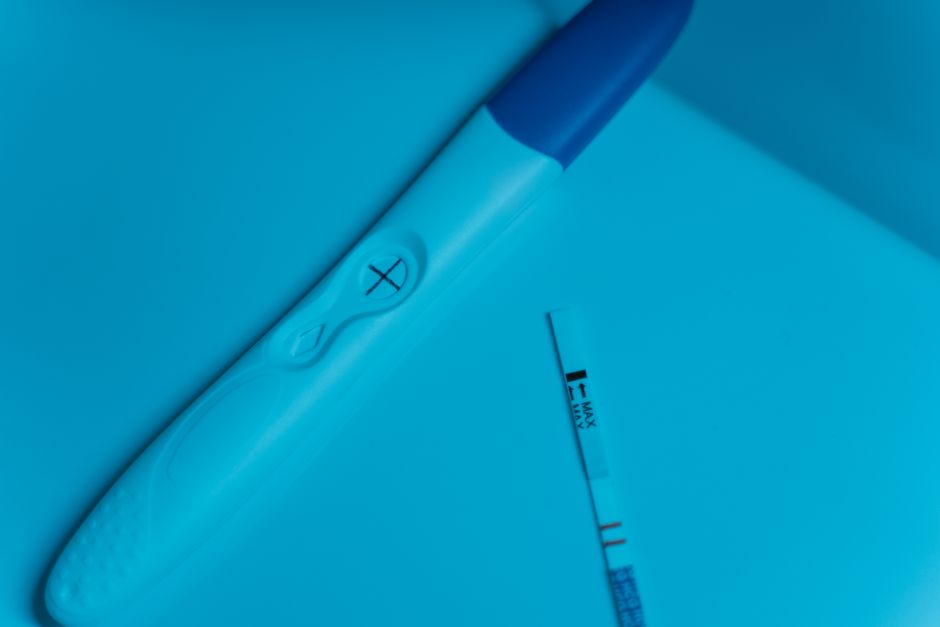
If you suspect you might be pregnant, the only reliable way to confirm it is with a medical test. However, your body often sends clear signals in the first weeks after conception. You can watch for a combination of physical symptoms and track your cycle to build a strong picture, but you must treat any home assessment as preliminary until a test or doctor confirms it. The most accurate first step is to check if your period is late, then look for early symptoms like breast tenderness, fatigue, and nausea that persist for more than a week.
What Is The First Step To Knowing If You Are Pregnant?
The very first step is to track your menstrual cycle. If your period is consistently regular, a missed period is often the earliest and most noticeable sign of pregnancy. For most women, this happens about two weeks after conception.
If your cycles are irregular, a missed period is a less reliable signal. In that case, you need to look at other symptoms and the timing of any unprotected sex you had. Sperm can survive inside the body for up to five days, so conception can occur days after intercourse.
Once you notice a late period, wait about one week. Then, take a home pregnancy test. These tests detect a hormone called human chorionic gonadotropin (hCG) in your urine. This hormone only appears when a fertilized egg implants in the uterus.
What Are The Most Common Early Signs Of Pregnancy?
Early pregnancy symptoms are caused by a rapid rise in hormones, mainly progesterone and hCG. These hormones begin changing your body almost immediately after implantation, which typically occurs 6 to 10 days after fertilization.
Many women notice breast changes first. Your breasts may feel tender, swollen, heavy, or tingly. The areola, the dark area around the nipple, may also darken. This happens because hormone levels increase blood flow and cause tissue changes in the breasts.
Fatigue is another very common early sign. High progesterone levels can act almost like a sedative. You may feel exhausted even if you slept well the night before. This profound tiredness often begins as early as one week after conception.
Nausea, with or without vomiting, is a classic symptom. Despite being called “morning sickness,” it can happen at any time of day. It usually begins around week 6 of pregnancy, though some women feel it earlier. The exact cause is unknown, but it is likely linked to rapidly rising hCG and estrogen levels.
Other frequent early signs include mild cramping and light spotting. Implantation bleeding can occur when the embryo attaches to the uterine lining. This spotting is usually light pink or brown and lasts only a day or two. It is much lighter than a normal period.
You might also notice frequent urination. As blood volume increases during early pregnancy, your kidneys process more fluid. This leads to a fuller bladder more often. This symptom often appears around week 6.
How Can You Tell The Difference Between PMS And Pregnancy Symptoms?
This is genuinely difficult. Many early pregnancy symptoms are nearly identical to premenstrual syndrome (PMS). Both conditions involve elevated progesterone, which causes breast tenderness, mood swings, fatigue, and food cravings.
The key difference is time and persistence. PMS symptoms typically resolve once your period starts. If your period does not arrive and symptoms continue for more than a week, pregnancy becomes more likely.
Implantation bleeding is one of the few distinguishing signs. PMS does not cause light spotting before a period. However, not every pregnant woman experiences implantation bleeding, so its absence means nothing.
Basal body temperature is another potential clue. If you track your temperature every morning before getting out of bed, you will notice it rises slightly after ovulation. In a normal cycle, it drops back down right before your period. If your temperature stays elevated for more than 18 days, it is a strong indicator of pregnancy.





Are There Any Physical Changes You Can Check At Home?
You can look for a few physical changes, but none are diagnostic on their own. Checking your cervix is one method some women use. During early pregnancy, the cervix becomes softer and feels slightly closed. The mucus may become thick, clear, and sticky. However, learning to identify these changes accurately takes practice, and they can vary from woman to woman.
You can also check the color of your urine. Some anecdotal reports suggest that pregnancy causes urine to appear more cloudy or darker yellow due to increased hCG. However, no clinical evidence supports this as a reliable method. Urine color changes for many reasons, including hydration levels, diet, and vitamin intake.
A more structured home method is tracking your basal body temperature over time. To do this accurately, you need a basal thermometer that measures to two decimal places. Take your temperature at the same time every morning before any activity. A temperature that remains elevated for 18 consecutive days after ovulation strongly suggests pregnancy.
When Should You Take A Home Pregnancy Test?
Home pregnancy tests are highly accurate when used correctly. The best time to take one is on the first day of your missed period. Testing earlier increases the chance of a false negative because hCG levels may still be too low to detect.
If you test before your missed period and get a negative result, wait three to five days and test again. hCG levels double approximately every 48 to 72 hours in early pregnancy. This rapid increase means a test that is negative today can become positive within days.
For the most accurate result, test first thing in the morning. Your urine is most concentrated after sleeping, which means higher hCG levels are present. Avoid drinking large amounts of fluid before testing because it can dilute your urine and lead to a false negative.
A positive result on a home test is highly reliable. False positives are extremely rare. A negative result is less definitive, especially if you tested early. If your period remains absent and your symptoms continue, see a doctor for a blood test.
What Does A Doctor Do To Confirm Pregnancy?
A doctor can confirm pregnancy with a blood test that detects hCG. This test is more sensitive than a urine test and can detect pregnancy earlier, often within 6 to 8 days after ovulation. Blood tests can also measure the exact amount of hCG, which helps assess how the pregnancy is progressing.
An ultrasound is the most definitive confirmation. It can detect a gestational sac as early as 5 weeks and a fetal heartbeat around 6 to 7 weeks. However, doctors typically do not schedule an ultrasound until you are at least 8 weeks along unless there are concerns.
If you have irregular periods, are unsure about your dates, or have experienced symptoms without a positive home test, a doctor’s visit is essential. They can provide accurate dating and rule out other conditions that mimic pregnancy symptoms, such as ovarian cysts or thyroid issues.
What Are The Limits Of Symptom Checking?
Symptom checking has real limits. Every pregnancy is different. Some women experience almost no symptoms in the first weeks. Others feel every possible symptom and are not pregnant. Relying on symptoms alone leads to both false hope and unnecessary worry.
Several conditions can mimic early pregnancy. A delayed period can be caused by stress, significant weight changes, intense exercise, or hormonal imbalances like polycystic ovary syndrome (PCOS). Digestive issues, viral infections, or medication side effects can cause nausea and fatigue. No physical symptom is exclusive to pregnancy.
The psychological aspect is also real. If you are trying to conceive or desperately hoping to avoid pregnancy, your mind can amplify normal bodily sensations. This is common and does not mean your feelings are not valid, but it does mean you cannot trust your perception alone.
When Should You See A Doctor?
You should see a doctor if your period is more than one week late, even if a home test is negative. You should also seek medical care if you have a positive home test, especially if you have health conditions like diabetes, high blood pressure, or a history of ectopic pregnancy.
Seek immediate medical attention if you experience severe pain on one side of your abdomen, heavy bleeding, dizziness, or shoulder pain. These can be signs of an ectopic pregnancy, a medical emergency where the embryo implants outside the uterus.
If you have irregular cycles and cannot track a missed period, consider seeing a doctor after three weeks of persistent pregnancy-like symptoms. They can run blood tests and determine the cause of your symptoms with certainty.
Frequently Asked Questions
Can you tell you are pregnant before your missed period?
Some women notice symptoms like breast tenderness, fatigue, and implantation spotting before their missed period, but these are not reliable. Home tests can detect pregnancy a few days before a missed period, but testing on the first day of a missed period is more accurate.
How many days after conception do pregnancy symptoms start?
Symptoms can begin as early as 6 to 10 days after conception, when implantation occurs and hCG levels start rising. However, most women notice symptoms around the time of their missed period, which is about two weeks after conception.
Is a negative home test before a missed period reliable?
A negative result before your missed period is not fully reliable because hCG levels may be too low to detect. If your period does not arrive, test again three to five days later.
Can stress delay your period and mimic pregnancy symptoms?
Yes, stress can delay ovulation and push back your period by days or even weeks. Stress also causes fatigue, nausea, and appetite changes that can closely resemble early pregnancy symptoms.
