
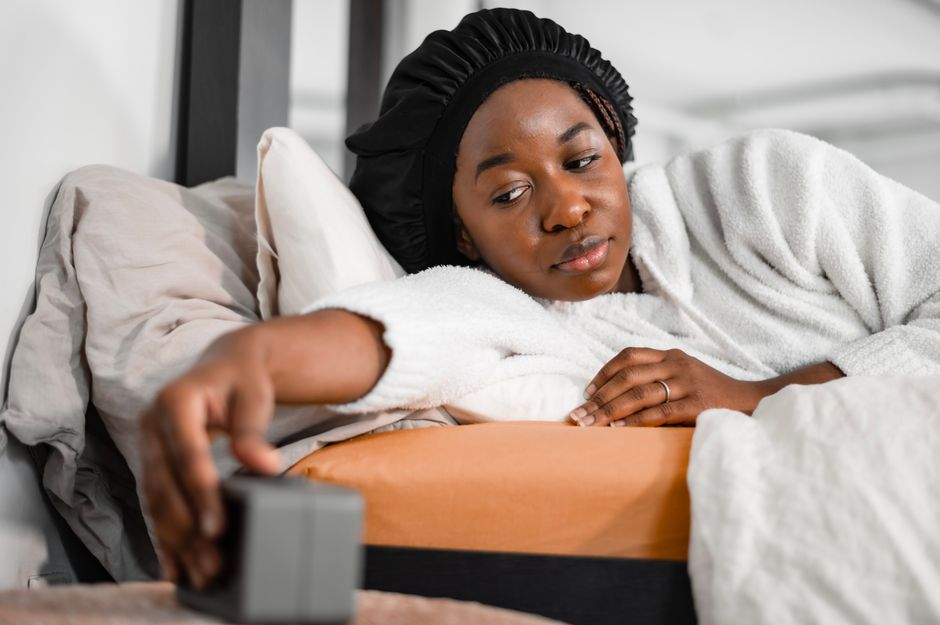
Waking up too early can feel like a thief stole your rest. Your alarm is set for 7:00 AM, but your eyes snap open at 5:30 AM, and your brain refuses to go back to sleep. You are not alone, and this is not just a bad habit. The most direct answer is that you need to align your sleep schedule with your body’s natural circadian rhythm, manage your light exposure, and address any underlying sleep debt or habits that are pulling you into an early wake cycle. By making specific adjustments to your evening routine and your morning response, you can train your body to sleep later without the frustration of an early wake-up call.
Why Do You Wake Up Too Early in the Morning?
Waking up early is rarely random. It usually comes down to your internal body clock, known as the circadian rhythm. This rhythm operates on a roughly 24-hour cycle and is heavily influenced by light and darkness. When morning light hits your eyes, your brain receives a signal to stop producing melatonin, the sleep hormone, and begin raising your core body temperature and cortisol levels to wake you up.
If you naturally wake up at 5:30 AM, your circadian rhythm has anchored your wake time to that hour. Even if you went to bed late, your internal clock will still try to wake you at that set time. This is why sleeping in on weekends often fails. Your biology is fighting your intention. Another major factor is sleep debt. If you have been chronically sleep-deprived during the week, your body may actually wake you early because it has shifted into a lighter sleep stage, or you may be experiencing a rebound effect where your sleep architecture changes.
Age also plays a role. As people get older, sleep naturally becomes lighter and more fragmented. The deep, restorative slow-wave sleep decreases, making it easier to wake up from minor noises or temperature changes. This is a normal physiological change, but it can feel like a problem when you want to stay asleep longer.
How To Sleep In Later Without Waking Up Too Early
To shift your wake time later, you must address the timing of your internal clock. This is not about forcing yourself to stay in bed. It is about sending the right signals to your brain to delay its wake-up command. The most powerful tool you have is light exposure. Your brain uses light as its primary timekeeper.
In the hour before bed, dim the lights in your home. Avoid bright overhead lighting and the blue light emitted from phones, tablets, and computers. Blue light suppresses melatonin production and tricks your brain into thinking it is still daytime. If you must use screens, use night mode settings that shift the display to warmer colors, but ideally, put devices away entirely 30 to 60 minutes before you plan to sleep.
In the morning, do the opposite. When you wake up too early and want to go back to sleep, do not turn on bright lights. Keep your eyes closed or wear a sleep mask. If you get up to use the bathroom, keep the lights off or use a dim nightlight. Bright light signals your brain that the day has started, making it much harder to fall back asleep. When you actually want to wake up at your target time, get outside or turn on bright lights immediately. This anchors your wake time to the correct hour.
Consistency is critical. Waking up at the same time every day, even on weekends, helps set your circadian rhythm. If you shift your wake time drastically on Saturday and Sunday, you create a social jet lag that makes Monday morning wake-ups miserable. Try to keep your wake time within one hour of your weekday schedule, even on days off.
Adjusting Your Bedtime to Shift Your Wake Time
You cannot simply decide to sleep later without adjusting when you go to bed. If you want to wake up at 7:00 AM instead of 5:30 AM, you need to shift your entire sleep window later. This means moving your bedtime later in small increments. Going to bed 30 minutes later than usual for a few nights can help move your wake time forward. However, moving your bedtime too late can backfire and increase your sleep debt, making you feel groggy and unrested.
Most adults need between seven and nine hours of sleep per night. If your target wake time is 7:00 AM, your bedtime should be between 10:00 PM and midnight. If you are currently waking up at 5:30 AM, you may be going to bed too early, or you may have an underlying issue causing fragmented sleep. If you are getting enough total sleep but still waking early, your sleep may be too light. Addressing factors that fragment sleep, such as alcohol consumption, caffeine intake, or an uncomfortable sleep environment, can help you sleep more soundly through the night.
Alcohol is a common culprit. While alcohol can help you fall asleep faster, it disrupts sleep architecture in the second half of the night. As your body metabolizes the alcohol, you may experience lighter sleep and more frequent awakenings. This often results in waking up in the early morning hours and being unable to get back to sleep. Limiting alcohol intake, especially in the hours before bed, can significantly improve sleep continuity.





What To Do When You Wake Up Too Early
Your behavior in the moment you wake up determines whether you will fall back asleep or be awake for the day. When you wake up too early, do not check the time on your phone. The light from the screen and the stress of seeing the clock will activate your brain. Instead, keep your eyes closed and focus on your breathing. Try a relaxation technique, such as progressive muscle relaxation, where you tense and relax each muscle group from your toes to your head.
If you do not fall back asleep within 15 to 20 minutes, get out of bed. Staying in bed while awake can create a negative association between your bed and wakefulness. This can lead to conditioned arousal, where your brain learns to be alert when you are in bed. Go to a dark, quiet room and do something relaxing, like reading a book under a dim light or listening to calming music. Avoid screens and bright lights. When you feel sleepy again, return to bed.
This strategy is a core component of stimulus control therapy, a well-established behavioral treatment for insomnia. The goal is to strengthen the association between bed and sleep. If you lie in bed awake for extended periods, you weaken that association. Getting up and returning only when sleepy helps rebuild the connection.
How Light Therapy Can Help You Sleep Later
If you are a chronic early riser, you may benefit from timed light therapy. This involves exposing yourself to bright light at specific times to shift your circadian rhythm. For someone who wakes too early, the goal is to delay the circadian rhythm. This means you need to avoid bright light in the early morning and expose yourself to bright light later in the day.
In practice, this means keeping your bedroom very dark in the early morning hours. Use blackout curtains to block out any streetlights or early dawn light. If you wake up before your desired time and need to use the bathroom, do so in the dark. When your target wake time arrives, get bright light exposure immediately. This could mean sitting near a sunny window or using a light therapy lamp that emits 10,000 lux of light. This bright light exposure in the late morning or early afternoon helps push your internal clock later.
Some research suggests that evening bright light exposure can also help delay sleep onset. However, this must be timed carefully, as light too close to bedtime can make it hard to fall asleep. The evidence for light therapy in circadian rhythm disorders is established, but the exact timing and duration of exposure should be individualized. If you are considering light therapy, consulting with a sleep specialist can help you determine the right schedule for your specific pattern.
When Early Morning Waking Is a Sign of Something Else
Waking up too early is not always a simple habit issue. For some people, it is a symptom of an underlying condition. Depression is strongly associated with early morning awakening. If you wake up early, cannot get back to sleep, and also feel persistent sadness, loss of interest in activities, or changes in appetite, this pattern warrants a conversation with a healthcare provider. Treating the underlying mood disorder often resolves the sleep disruption.
Sleep apnea can also cause early morning awakenings. If you wake up gasping, choking, or with a dry mouth, or if you snore loudly, sleep apnea may be fragmenting your sleep. These breathing interruptions pull you out of deep sleep, and you may find it hard to return to sleep after each episode. A sleep study can diagnose this condition, and treatment typically involves continuous positive airway pressure (CPAP) therapy.
If you consistently wake up earlier than planned despite good sleep hygiene and consistent sleep schedules, it is reasonable to discuss this with your doctor. They can rule out medical causes and, if needed, refer you to a sleep medicine specialist. No amount of behavioral tweaking will fix a wake time driven by an untreated medical condition.
Frequently Asked Questions
Why do I wake up at the same time every morning even on weekends?
Your circadian rhythm anchors your wake time to a specific hour based on your habitual sleep schedule and light exposure. This internal clock does not automatically shift just because you have the day off.
Will taking melatonin help me sleep in later?
Melatonin can help shift your circadian rhythm if taken at the correct time, but it is not a sleep aid that keeps you asleep. Taking it too late or at the wrong dose can disrupt your sleep cycle, so it is best used under the guidance of a healthcare provider.
Is waking up at 5 AM naturally a sign of a health problem?
Not necessarily, as some people are genetically predisposed to be early risers. However, if you wake up early feeling unrefreshed, unable to function, or with symptoms of depression or sleep apnea, you should discuss it with a doctor.
Can blackout curtains really help me sleep later?
Yes, blackout curtains block early morning light that signals your brain to wake up. Keeping your bedroom completely dark in the early morning hours can help delay your natural wake time.
