
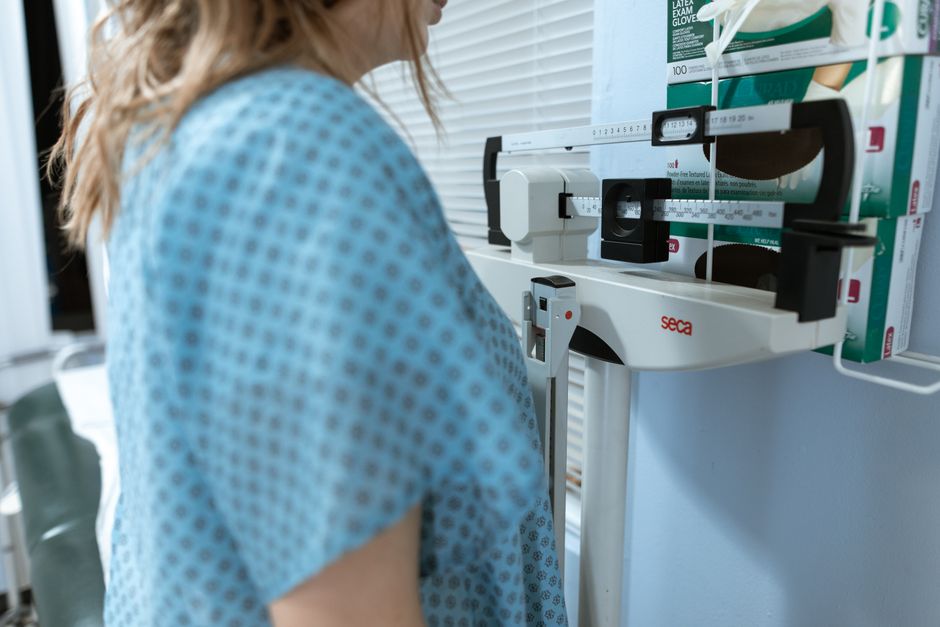
Tracking your weight usually means stepping on a scale, but that is not your only option. You can estimate your weight using a tape measure, clothing fit, and regular body measurements. These methods do not give you a precise number, but they show real changes in your body size and composition over time.
Why Would You Need to Weigh Yourself Without a Scale?
Scales break. Batteries die. Maybe you are traveling and the hotel gym scale is unreliable. Some people find daily weigh-ins stressful and want a healthier way to track progress.
There are also medical reasons. If you have congestive heart failure or kidney disease, your doctor may ask you to watch for sudden weight gain from fluid retention. In those cases, a scale is the standard tool. But for general fitness tracking, body measurements work well.
Body measurements track fat loss and muscle gain more accurately than a scale in some ways. A scale cannot tell the difference between fat, muscle, water, and bone. If you gain muscle while losing fat, the scale may not move at all. Your measurements will show the change.
How Can You Weigh Myself Without Scales Using a Tape Measure?
A simple cloth tape measure is the most reliable scale-free tool. You need consistency for this to work. Measure the same spots, at the same time of day, and use the same tape measure every time.
Take these measurements monthly:
- Waist: Measure around your belly button level, not your pants line.
- Hips: Measure at the widest part of your buttocks.
- Chest: Measure under your armpits at the fullest part.
- Thighs: Measure at the midpoint between hip and knee.
- Arms: Measure at the midpoint between shoulder and elbow.
Write every number down. A change of even one centimeter is meaningful. Your waist measurement is especially important because abdominal fat carries higher health risks than fat stored elsewhere.
For a more structured estimate, the U.S. Navy body fat method uses neck and waist measurements for men, and neck, waist, and hip measurements for women. The formula estimates body fat percentage. From that, you can estimate fat mass and lean mass. This method is not perfect, but it is well established and widely used in clinical and military settings.
How Clothing Fit Tracks Weight Changes
Your clothes are a built-in measuring tool. A pair of jeans that fits snugly now but was loose three months ago tells you something real about your body size.
Use one specific outfit as your reference. Try it on every two weeks. Notice how it feels at the waist, thighs, and chest. Loose clothing means your body is getting smaller. Tight clothing means it is getting larger.
This method has limits. Fabric stretches with wear and washing. Different brands size differently. And clothing fit cannot tell you whether you lost fat or muscle. But as a simple trend indicator, it works.
For a more objective version, use a belt. Mark the hole you currently use. If you move to a tighter hole over several weeks, your waist is shrinking. If you move to a looser hole, your waist is growing.





Using a Body Fat Caliper for More Precision
Skinfold calipers measure the thickness of a fold of skin and fat at specific body sites. They cost less than a smart scale and give you a more direct measure of body fat.
The most common method measures three or seven sites. For men, the chest, abdomen, and thigh are typical. For women, the triceps, suprailiac (just above the hip bone), and thigh are common. You pinch the skin, pull it away from muscle, and read the measurement in millimeters.
This requires practice. If you pinch inconsistently, your numbers will be wrong. Having the same person do your measurements every time reduces error. A healthcare provider or fitness professional can teach you the correct technique.
Skinfold measurements track changes in body fat percentage. They do not tell you your total weight. But they tell you whether you are losing fat, which is usually the real goal.
How to Estimate Weight From Body Measurements
Some formulas use body measurements to estimate total body weight. These are approximations, not exact values. They work best for tracking trends rather than getting a precise number.
One approach uses the body fat percentage from the Navy method. If you know your estimated body fat percentage, you can estimate your fat mass and lean mass. But without a starting weight, you cannot calculate total weight from measurements alone.
Another approach uses height and waist circumference. Some clinical formulas estimate body weight for medication dosing when a patient cannot stand on a scale. These formulas exist, but they are not meant for home fitness tracking. They have a margin of error that makes them unreliable for personal use.
If your goal is medical accuracy, no home measurement method replaces a scale. If your goal is tracking body composition changes, measurements are often better than a scale.
What About Smartphone Apps and Smart Devices?
Several apps claim to estimate weight from photos or body scans. Some use your phone’s camera to create a 3D body model and estimate measurements. These are improving, but they are not clinically validated for weight estimation.
Smart scales that measure body fat use bioelectrical impedance analysis. They send a weak electrical current through your body. These scales are convenient, but their accuracy varies with hydration levels, food intake, and skin temperature. They are not more accurate than a tape measure for tracking changes.
Some research suggests that 3D body scanning technology can track body shape changes accurately. But this technology is still emerging for home use. No large clinical trials have confirmed that phone-based scanning can replace scale weight for medical decisions.
How Often Should You Take Measurements?
Once per month is enough for most people. Body changes happen slowly. Weekly measurements may show no change even when you are making progress. This can be discouraging and lead to unnecessary worry.
Measure at the same time of day, preferably in the morning before eating. Your body changes size throughout the day. Morning measurements are the most consistent baseline.
For women, hormone cycles cause fluid retention that changes measurements. Comparing measurements from the same point in your cycle gives a fairer comparison. For example, compare day 7 of one cycle to day 7 of the next.
Do not measure after exercise. Muscles swell temporarily after a workout, which can add centimeters to your measurements that disappear within hours.
When Measurements Are Not Enough
Some situations genuinely require a scale. If you take medications where the dose depends on body weight, you need an accurate number. Blood thinners, some antibiotics, and chemotherapy drugs are dosed by weight. Guessing is not acceptable for these.
If you have heart failure or kidney disease, daily weigh-ins are a standard medical recommendation. Sudden weight gain of several pounds in a day or two can signal dangerous fluid retention. A tape measure cannot catch this early enough.
If you are pregnant, your healthcare provider needs accurate weight measurements at each visit. Home estimation methods are not appropriate for tracking pregnancy weight gain.
For general fitness and health tracking in otherwise healthy adults, measurements are a reasonable alternative. For medical management, use the scale your doctor recommends.
Tracking Progress Without Obsessing
The number on the scale is one piece of information. It does not measure your health, your fitness, or your worth. Body measurements give you a fuller picture of what is actually changing.
Take a starting set of measurements before you begin any program. Record your waist, hips, chest, arms, and thighs. Take a photo in fitted clothing from the front and side. Try on a reference outfit. These three data points together give you a complete baseline.
Recheck every four weeks. Look at the trend, not any single measurement. One measurement could be off by a centimeter due to bloating or timing. Three consecutive measurements going in the same direction is a real trend.
Frequently Asked Questions
Can I accurately track weight loss without a scale?
Yes, using a tape measure and clothing fit can accurately track body size changes over time. These methods show fat loss trends even when the scale does not move.
What is the most accurate way to measure body fat at home?
Skinfold calipers are the most accurate home method when used consistently by the same person. The tape measure method is simpler and still useful for tracking changes.
How often should I take body measurements?
Take measurements once per month at the same time of day. More frequent measuring usually shows no change and can be discouraging.
Do smart scales measure weight more accurately than tape measures?
Smart scales measure total weight accurately, but their body fat estimates vary with hydration and food intake. For tracking body composition changes, tape measurements are often more reliable.
