
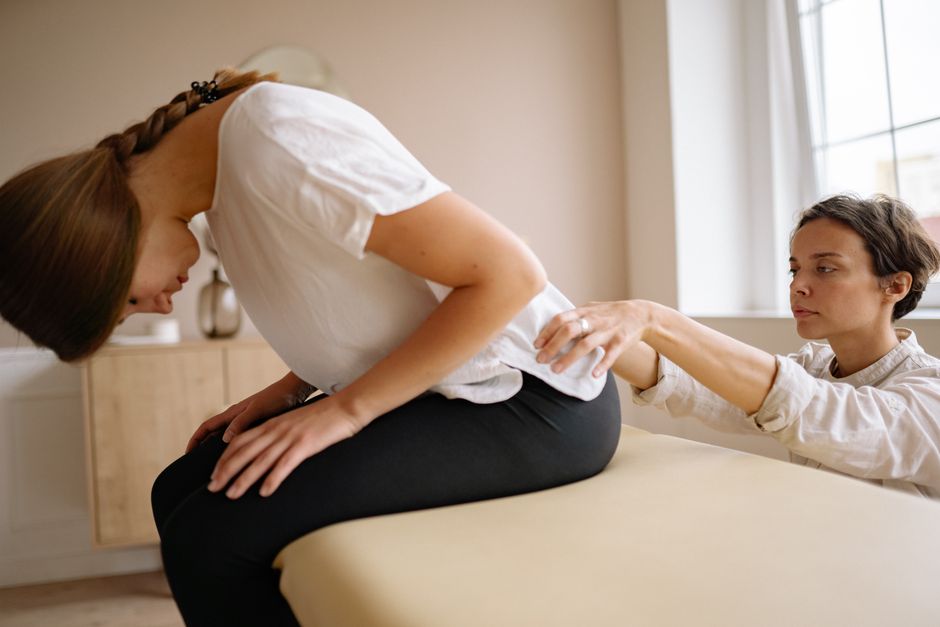
Back pain has many causes, and the kidneys are only one of them. The kidneys sit high in the back, just below the rib cage on either side of the spine. When something irritates them, the pain often shows up in that same area. But most back pain does not come from the kidneys. Muscle strain, spine problems, and arthritis are far more common sources. The steps below help you tell the difference and decide what to do next.
Where Are Your Kidneys and Why Does the Pain Land There?
Your kidneys are two bean-shaped organs about the size of your fist. They sit deep in the back, on each side of the spine, roughly between the bottom of the rib cage and the top of the lower back. They filter waste and extra fluid from your blood and turn it into urine.
Because of where they sit, kidney problems can cause pain that feels like it is coming from your back. But the pain is not in your muscles or spine. It comes from the organ itself or the tube that drains it.
This matters for one simple reason. Back pain from muscles or joints gets worse when you move. Kidney pain usually does not. That difference is one of the most useful clues you have.
Kidney pain is often felt higher than typical low back pain. It tends to sit under the ribs rather than in the lower spine. Many people describe it as a deep ache on one side, though it can affect both sides.
How to Know If My Back Pain Is Kidney Related: What to Look For
There is no single symptom that proves kidney pain. Instead, the pattern matters. Kidney pain tends to come with other signs, and those signs point to the urinary system rather than the spine.
Watch for these clues:
- Pain that comes in waves that build and fade, rather than staying steady
- Pain on one side, often under the ribs
- Urine that is cloudy, pink, red, or brown
- A burning feeling when you urinate
- Needing to urinate more often, or feeling like you cannot fully empty your bladder
- Fever, chills, or feeling generally unwell
- Nausea or vomiting along with the pain
Muscle and spine pain behaves differently. It often eases when you change position. It may get worse with bending, lifting, or sitting for a long time. It usually does not come with fever or changes in your urine.
One non-obvious point: pain that gets better when you move around is more likely to be muscular. Kidney pain does not care what position you are in. It stays put.
Kidney Pain vs. Muscle and Spine Pain: A Side-by-Side Look
The table below compares the most common patterns. Use it as a guide, not a diagnosis. Some people do not fit neatly into either column.
| Feature | Kidney-Related | Muscle or Spine |
|---|---|---|
| Location | High in the back, under the ribs, often one side | Lower back, can be one or both sides |
| Effect of movement | Little change | Often worse with bending, lifting, or sitting |
| Urine changes | Common | Not typical |
| Fever or chills | Possible | Not typical |
| Pain pattern | Can come in waves | Usually steady or linked to activity |
| Nausea or vomiting | Possible | Not typical |
If your pain lines up with the kidney column, that is a reason to get checked. It is not proof. Only a doctor can confirm what is going on.
-
 How to Tell Back Pain from Kidney Pain? Tips You Can Try
-
Can Lower Back Pain Be Caused by Kidney Stones? The Real Answer
-
How to Tell Kidney Pain from Back Pain? Easy Steps to Follow
-
How to Tell If Back Pain is Muscular or Kidney? A Simple Guide
-
Joint Genesis Reviews 2025. Does Biodynamix Supplement Work





What Conditions Cause Kidney Pain?
A few conditions are the usual suspects. Knowing them helps you describe your symptoms clearly to a doctor.
Kidney stones are hard deposits that form in the kidney. When a stone moves into the tube that drains the kidney, it can cause severe pain that comes in waves. The pain often starts in the back and may move toward the groin. Stones are a common cause of this type of pain.
Kidney infection (also called pyelonephritis) happens when bacteria travel up from the bladder into the kidney. It usually comes with fever, chills, and pain in the back or side. This is a serious condition that needs medical treatment. Do not wait it out.
Urinary tract infection can cause burning with urination and a frequent urge to go. A bladder infection alone does not usually cause back pain. If the infection moves up to the kidney, back or side pain can appear.
Other causes are less common. These include bleeding into or around the kidney, a blockage in the urinary tract, or, rarely, a growth on the kidney. Polycystic kidney disease, an inherited condition, can also cause pain as cysts grow.
When Should You See a Doctor Right Away?
Some symptoms mean you should seek care without delay. Do not try to manage these at home.
- Fever with back or side pain
- Blood in your urine
- Severe pain that makes it hard to sit still or find any comfortable position
- Vomiting that will not stop
- Pain that comes with confusion, dizziness, or feeling very weak
- Pain after a recent injury to your back or side
Fever plus back pain is the one to take most seriously. It can point to a kidney infection, which can spread to the bloodstream if untreated. That is a medical emergency.
If your pain is mild and you have no other symptoms, you can watch it for a short time. But if it does not improve, or if new symptoms appear, call your doctor.
What Happens at a Doctor’s Visit?
Your doctor will start with questions. Where is the pain? Does it move? Does it change with position? Have you noticed any changes in your urine? These details guide the next steps.
A urine test is usually the first check. It can show blood, white blood cells, or bacteria. That can point to an infection or a stone.
Blood tests can show how well your kidneys are filtering. They can also reveal signs of infection or other problems.
Imaging may be needed. An ultrasound or a CT scan can show stones, blockages, or other changes in the kidneys. A CT scan is often used when a stone is suspected, because it can find stones that other tests miss.
If your doctor finds nothing wrong with your kidneys, they may look at your spine or muscles next. That is a normal path. Many people who think their pain is kidney-related find out it is not.
Steps You Can Start Today
You do not need to wait for a diagnosis to take a few sensible steps. These will not treat a kidney problem, but they can help you gather information and avoid making things worse.
Track your symptoms. Write down when the pain starts, what it feels like, and whether anything makes it better or worse. Note any changes in your urine. This record is useful at your appointment.
Drink enough water. Staying hydrated helps your kidneys work well. It also lowers the chance of forming new kidney stones in people who are prone to them. Plain water is the best choice for most people.
Do not push through severe pain. If the pain is intense or getting worse, get medical help. Trying to tough it out can delay treatment for a serious problem.
Limit pain relievers unless your doctor says otherwise. Some over-the-counter pain medicines can stress the kidneys, especially with long-term use. If you have kidney problems or take these medicines often, ask your doctor what is safe for you.
Keep your follow-up appointments. If your doctor orders tests, make sure you get the results. Do not assume everything is fine if you do not hear back.
What About Prevention?
You cannot prevent every kidney problem. But some steps may lower your risk.
Drinking enough water may help prevent kidney stones in people who have had them before. Eating a balanced diet and limiting salt may also help. If you have diabetes or high blood pressure, keeping those conditions controlled protects your kidneys over time.
Do not smoke. Smoking damages blood vessels and raises the risk of kidney problems. If you take medicines that can affect the kidneys, ask your doctor about regular monitoring.
No supplement has been proven to prevent or treat kidney pain. Some herbal products can actually harm the kidneys. Talk to your doctor before starting anything new.
Frequently Asked Questions
Can kidney pain feel like a pulled muscle in my back?
Yes, kidney pain can feel like a dull ache that seems muscular. The key difference is that kidney pain usually does not change with movement, while a pulled muscle often does.
What does kidney pain feel like compared to normal back pain?
Kidney pain is often a deep ache under the ribs on one side and may come in waves. Normal back pain from muscles or spine is usually lower and gets worse with activity or certain positions.
How long does kidney pain last?
It depends on the cause. A kidney stone can cause pain for minutes to hours as it moves, while a kidney infection can cause pain that lasts until treated with antibiotics.
Can dehydration cause back pain that feels kidney related?
Dehydration does not directly cause back pain, but it raises the risk of kidney stones, which can cause severe pain in the back or side. Drinking enough water helps lower that risk.
