
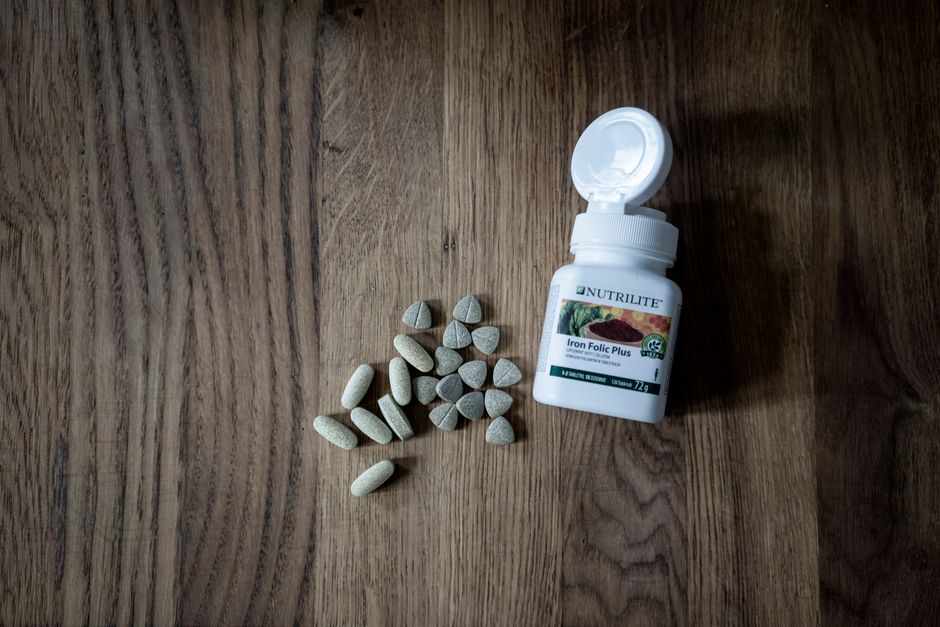
Low iron can be hard to spot at first. Many people feel tired for weeks before they realize something is wrong. The clearest way to know if you have low iron is to get a blood test, but your body often sends warning signs before that. Fatigue that does not go away with rest, unusual shortness of breath, and pale skin are common early clues. If you notice several of these symptoms together, it is worth talking to a doctor about testing your iron levels.
What Does Low Iron Actually Do to Your Body?
Iron is a building block for hemoglobin, the protein in red blood cells that carries oxygen. When iron stores run low, your body cannot make enough healthy red blood cells. This condition is called iron deficiency, and when it progresses, it becomes iron deficiency anemia.
Without enough oxygen reaching your muscles and organs, your body has to work harder. That is why fatigue is the most common symptom. Your heart pumps faster to move the oxygen that is available. Your muscles tire quickly because they are not getting the fuel they need. These effects build slowly, which is why many people adapt to feeling tired and do not realize how bad it has gotten.
Iron deficiency is the most common nutritional deficiency worldwide. Women of childbearing age, pregnant women, and people with heavy menstrual bleeding face the highest risk. But anyone can develop low iron, including men and older adults.
What Are the Most Common Symptoms of Low Iron?
Symptoms vary from person to person. Some people have very few symptoms even with significant deficiency. Others notice problems early. The most consistently reported symptoms include:
- Persistent fatigue that does not improve with sleep or rest
- Weakness in the muscles, especially during exercise
- Pale skin or paleness inside the lower eyelids
- Shortness of breath with minimal exertion, like climbing stairs
- Dizziness or lightheadedness, especially when standing up quickly
- Cold hands and feet even in warm environments
- Brittle nails that crack or chip easily
- Headaches that occur more often than usual
Some symptoms are less well known but still real. A craving for ice, dirt, or starch is called pica. This craving often disappears within days of starting iron treatment. Another lesser-known sign is restless legs syndrome, an urge to move the legs especially at night. Some research links this condition to iron deficiency, though not everyone with restless legs has low iron.
How To Know If I Have Low Iron: The Only Reliable Way
Symptoms alone cannot confirm iron deficiency. The only reliable way to know is a blood test. A complete blood count checks your hemoglobin and red blood cell levels. A ferritin test measures your body’s stored iron. Both tests together give the full picture.
Ferritin is especially important. Hemoglobin can stay normal while iron stores are already depleted. This stage, called iron depletion, may not cause anemia yet but can still produce symptoms like fatigue and brain fog. If your doctor only checks hemoglobin, early iron deficiency can be missed.
Normal ferritin levels generally range from about 20 to 300 nanograms per milliliter for men and 12 to 150 for women, though labs vary slightly. A ferritin level below 30 is often considered absolute iron deficiency even if hemoglobin is still normal. Your doctor will interpret your results based on your age, sex, and medical history.




Who Should Get Tested for Low Iron?
Some people should not wait for symptoms before asking for a test. You may benefit from checking your iron levels if you fall into any of these groups:
- Women with heavy or prolonged menstrual periods
- Pregnant women, especially in the second and third trimesters
- People who donate blood frequently
- Vegetarians and vegans who do not carefully plan iron intake
- People with digestive conditions like celiac disease or Crohn’s disease
- Anyone who has had gastric bypass surgery
- People taking acid-reducing medications long term
- Endurance athletes, especially female runners
Routine screening is not recommended for everyone. The United States Preventive Services Task Force does not recommend universal screening in asymptomatic adults. But if you have risk factors or symptoms, testing is appropriate. A simple blood test can prevent months of unexplained fatigue.
What Causes Iron Levels to Drop?
Iron deficiency rarely has a single cause. Most often, it comes from one of three problems: not enough iron in the diet, poor absorption, or blood loss.
Dietary causes are common but not always the main issue. Iron comes in two forms. Heme iron from meat, fish, and poultry is absorbed well. Non-heme iron from plants, beans, and fortified grains is absorbed less efficiently. Vitamin C improves non-heme iron absorption. Tea and coffee can reduce it when consumed with meals.
Blood loss is the most common cause of iron deficiency in adults. Each milliliter of blood contains about 0.5 milligrams of iron. Heavy menstrual bleeding is the leading cause in premenopausal women. In men and postmenopausal women, gastrointestinal bleeding is the first concern. This is why new iron deficiency in these groups always warrants medical investigation.
Poor absorption happens when the small intestine cannot take up iron properly. Celiac disease damages the intestinal lining and impairs absorption. Gastric bypass surgery bypasses part of the small intestine where iron is absorbed. Long-term use of proton pump inhibitors reduces stomach acid, which the body needs to absorb iron effectively.
How Is Low Iron Treated?
Treatment depends on the cause and severity. Oral iron supplements are the standard first-line treatment for most people. Ferrous sulfate, ferrous gluconate, and ferrous fumarate are common forms. They are equally effective, though side effects differ.
Constipation, nausea, and dark stools are common side effects. Taking iron with food reduces stomach upset but also reduces absorption. Taking it with vitamin C or orange juice can improve absorption. Iron is best absorbed on an empty stomach, but many people cannot tolerate that.
Doctors typically recommend continuing supplements for three to six months. This replaces depleted stores, not just the hemoglobin. Stopping too early leads to recurrence. Your doctor will likely recheck your blood after two to three months to confirm improvement.
Intravenous iron is used when oral iron fails, causes severe side effects, or when the deficiency is severe. IV iron delivers iron directly into the bloodstream and works faster. It is reserved for specific situations and requires medical supervision.
Can You Fix Low Iron With Diet Alone?
Diet can prevent iron deficiency, but it is rarely enough to correct an established deficiency. If your ferritin is already low, food alone usually cannot rebuild stores quickly enough. Supplements are typically needed first, with diet changes supporting long-term maintenance.
If you want to increase dietary iron, focus on both heme and non-heme sources. Red meat, poultry, and fish provide heme iron. Lentils, beans, tofu, spinach, and fortified cereals provide non-heme iron. Pair plant sources with vitamin C-rich foods like bell peppers, citrus fruits, or tomatoes to boost absorption.
Be aware of inhibitors. Calcium can interfere with iron absorption when consumed at the same meal. Tea and coffee contain tannins that reduce absorption. If you take iron supplements, avoid taking them with dairy, tea, or coffee within two hours.
What Happens If Low Iron Goes Untreated?
Untreated iron deficiency anemia has real consequences. The heart works harder to deliver oxygen, which can lead to an enlarged heart or heart failure in severe cases, especially in people with existing heart disease. Pregnant women with iron deficiency face higher risks of preterm delivery and low birth weight. Children with iron deficiency may experience developmental delays that affect learning and behavior.
In adults, chronic fatigue affects work performance, relationships, and quality of life. Some studies link iron deficiency to depression and anxiety symptoms, though the relationship is complex. Cognitive function, including memory and concentration, can decline.
The good news is that most iron deficiency is fully reversible. Once iron levels normalize, symptoms typically resolve. The key is identifying the cause and treating it properly.
Frequently Asked Questions
Can low iron cause hair loss?
Yes, iron deficiency can contribute to hair loss, especially in women. Iron is needed for healthy hair follicle function, and deficiency can push hair follicles into a resting phase where shedding increases.
How long does it take to feel better after starting iron supplements?
Most people notice improvement in fatigue within two to four weeks of starting supplements. Full correction of iron stores takes three to six months of consistent treatment.
Can you have low iron without being anemic?
Yes. Iron depletion can occur before anemia develops. Your ferritin level drops first while hemoglobin stays normal, and symptoms like fatigue can still appear at this stage.
Is it safe to take iron supplements without a blood test?
No. Taking iron without testing can mask an underlying condition or cause iron overload, which damages organs. Always confirm deficiency with a blood test before supplementing.
