
Feeling tired all the time? That is one of the most common signs of low iron. The most reliable way to increase iron levels is to eat more iron-rich foods, pair plant sources with vitamin C to boost absorption, and treat the underlying cause if diet alone is not enough.
Iron deficiency is one of the most common nutritional deficiencies worldwide. It affects people at every stage of life, but women of childbearing age and young children are hit hardest. The good news is that iron levels can usually be improved with a combination of dietary changes and, when needed, medical treatment.
Why Does Iron Matter So Much?
Iron is a building block your body cannot make on its own. It sits at the center of hemoglobin, the protein inside red blood cells that carries oxygen from your lungs to every tissue in your body. Without enough iron, your red blood cells cannot deliver oxygen efficiently, and nearly every system in your body feels the strain.
Iron also plays roles in muscle function, brain chemistry, and immune defense. That is why low iron can show up in ways that seem unrelated to blood — brain fog, shortness of breath climbing stairs, brittle nails, or a racing heartbeat during mild activity.
Your body stores iron in the liver, spleen, and bone marrow. When dietary intake falls short, it draws on those stores. Deficiency develops in stages. First, stored iron drops. Then circulating iron falls. Only after that does hemoglobin drop enough to show up as anemia on a blood test. This means you can have low iron and feel symptoms before anemia is detected. That distinction matters because early deficiency is easier to correct.
What Foods Are Highest in Iron?
There are two forms of dietary iron: heme and non-heme. Heme iron comes from animal sources and is absorbed more efficiently. Non-heme iron comes from plants and is absorbed less readily, but it still contributes meaningfully to your daily intake.
According to USDA nutritional data, here are some of the richest sources:
- Beef liver (3 oz, cooked): about 5 mg
- Oysters (3 oz, cooked): about 8 mg
- Lean beef (3 oz, cooked): about 2-3 mg
- Dark meat chicken (3 oz, cooked): about 1-2 mg
- Lentils (1 cup, cooked): about 6-7 mg
- White beans (1 cup, cooked): about 6-8 mg
- Spinach (1 cup, cooked): about 6 mg
- Tofu (1/2 cup, firm): about 3 mg
- Fortified breakfast cereal (1 serving): varies widely, often 4-18 mg
Fortified cereals are worth a closer look. Many deliver a large share of the daily value per serving, but absorption varies depending on the form of iron used. Check the label for the amount per serving rather than assuming all cereals are equal.
One detail people often miss: cooking in a cast iron skillet can add small amounts of iron to food, especially acidic dishes like tomato sauce. The amount is modest and hard to predict, but it is a real effect documented in food science research. It should not replace actual iron-rich foods, but it does not hurt.
How Do You Increase Iron Levels From Plant Foods?
Plant iron is harder for your body to absorb, but you can improve the odds significantly with a few simple strategies.
Pair iron with vitamin C. Vitamin C is one of the most effective enhancers of non-heme iron absorption. Squeeze lemon on lentils. Add bell peppers to a spinach dish. Drink a small glass of orange juice with a fortified cereal. Research published in the American Journal of Clinical Nutrition has shown that vitamin C can increase non-heme iron absorption several-fold when consumed in the same meal.
Avoid pairing iron with absorption blockers. Certain compounds interfere with iron uptake:
- Tannins in coffee and tea
- Calcium in dairy products and supplements
- Phytates in whole grains and legumes
- Polyphenols in some herbs and cocoa
This does not mean you need to avoid these foods entirely. Timing matters more than elimination. If you take an iron supplement or eat an iron-rich meal, waiting about an hour before drinking coffee or tea can make a difference. Calcium supplements are best taken at a different time of day than iron supplements.
Soak, sprout, or ferment. These traditional food preparation methods reduce phytate content in grains and legumes, which can improve iron absorption. It is not a dramatic effect on its own, but it adds up over time.



When Should You Consider an Iron Supplement?
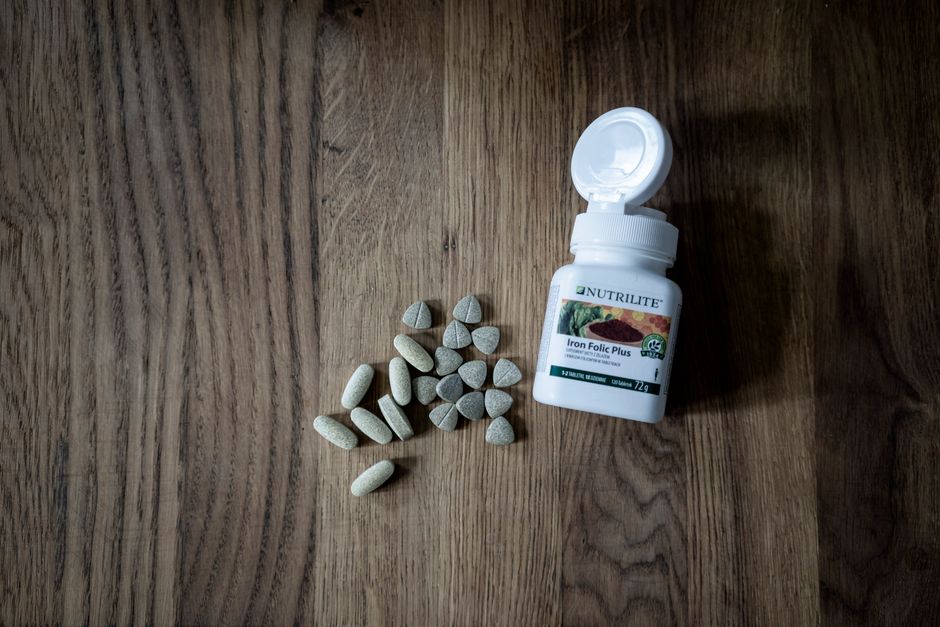
Supplements can be necessary, but they are not a casual fix. Iron supplements are a leading cause of poisoning in young children, and taking too much iron when you do not need it can cause organ damage over time.
Do not start an iron supplement based on symptoms alone. Get a blood test first. A doctor will typically check hemoglobin, ferritin (stored iron), and sometimes transferrin saturation to get a complete picture.
If a doctor recommends supplementation, here is what to know:
- Ferrous sulfate is the most commonly prescribed form. It is well absorbed but can cause constipation and nausea.
- Ferrous gluconate and ferrous fumarate are alternatives that some people tolerate better.
- Taking iron with vitamin C or on an empty stomach improves absorption, but may worsen stomach upset.
- Liquid iron and carbonyl iron are options for people who cannot tolerate tablets.
Dosing depends on your age, the severity of deficiency, and the cause. There is no single universal dose. A doctor will determine what is appropriate. Self-prescribing iron is risky because the dose that helps one person can harm another.
One non-obvious point: some multivitamins with iron contain calcium as well. Calcium and iron compete for absorption. If you rely on a multivitamin for iron, check whether it also contains calcium. If it does, the iron may not be well absorbed.
What Medical Treatments Exist for Low Iron?
When oral iron is not enough — because of poor absorption, intolerance, or significant blood loss — doctors may recommend intravenous (IV) iron. IV iron delivers iron directly into the bloodstream and bypasses the digestive tract. It is used in clinical settings for conditions like inflammatory bowel disease, chronic kidney disease, and severe deficiency during pregnancy.
IV iron is not a first-line approach for most people. It requires medical supervision and is reserved for cases where oral iron has failed or is not expected to work. Some clinicians also recommend it when rapid correction is needed, such as before surgery.
Blood transfusions are reserved for severe anemia or active blood loss where immediate correction is necessary. They are not a treatment for mild or moderate iron deficiency.
In all cases, the underlying cause must be addressed. If heavy menstrual bleeding is depleting iron stores, iron supplementation alone will struggle to keep up. If gastrointestinal bleeding is the source, that needs its own evaluation and treatment. Iron deficiency is sometimes the first sign of a gastrointestinal condition that requires medical attention.
What Causes Low Iron in the First Place?
Understanding the cause is essential because treatment without addressing the root problem rarely works long-term.
Common causes include:
- Heavy menstrual bleeding
- Pregnancy, which increases iron demand substantially
- Gastrointestinal bleeding from ulcers, polyps, or other lesions
- Poor dietary intake or restricted diets
- Malabsorption conditions like celiac disease or Crohn’s disease
- Frequent blood donation
- Certain medications that reduce stomach acid
- Chronic kidney disease
In men and postmenopausal women, iron deficiency is less likely to be caused by diet alone. In these groups, doctors often look carefully for a source of blood loss, particularly in the gastrointestinal tract. This is a well-established clinical principle, not a rare exception.
Some people have a genetic condition called hereditary hemochromatosis, which causes the body to absorb too much iron. This is the opposite problem, but it matters here because it is a reason not to take iron supplements without testing. If you have hemochromatosis and take iron, you can cause serious harm.
Can Lifestyle Changes Help?
Diet and supplementation are the primary tools, but a few lifestyle factors influence iron status.
Alcohol. Regular heavy drinking can irritate the stomach lining and contribute to gastrointestinal bleeding. It also interferes with iron absorption and utilization. Cutting back supports iron status indirectly.
Exercise. Intense endurance training can increase iron losses through sweating, foot-strike hemolysis (red blood cell breakdown from repeated impact), and inflammation that reduces absorption. Athletes often need more iron than sedentary people, and some research suggests they may benefit from periodic screening.
Smoking. Smoking does not cause iron deficiency directly, but it worsens oxygen delivery and can mask symptoms. Quitting improves overall cardiovascular function and makes it easier to recognize when something is wrong.
None of these lifestyle factors replace proper medical evaluation if you suspect deficiency.
How Long Does It Take to Fix Low Iron?
This depends on the severity of deficiency and the cause. With oral iron supplements, hemoglobin typically starts to rise within a few weeks. But replenishing stored iron (ferritin) takes much longer — often several months of consistent supplementation after hemoglobin normalizes.
If you stop taking iron as soon as you feel better, your stores may still be low and deficiency can return. Doctors often recommend continuing supplementation for a set period after blood levels normalize. The exact timeline varies by individual and should be guided by follow-up testing.
Dietary changes alone can maintain iron levels, but they are usually not enough to correct significant deficiency quickly. Food is for maintenance. Supplements and medical treatment are for correction.
Frequently Asked Questions
What is the fastest way to increase iron levels?
Iron supplements prescribed by a doctor raise levels faster than food alone, typically showing improvement in hemoglobin within a few weeks. IV iron is faster still but is reserved for specific medical situations.
What should I avoid eating when I have low iron?
Coffee, tea, and calcium-rich foods can block iron absorption when eaten at the same time as iron-rich meals or supplements. You do not need to avoid them entirely — just separate them by about an hour.
Can I increase my iron levels without supplements?
Yes, if your deficiency is mild and caused by diet. Eating heme iron sources like lean meat and pairing plant iron with vitamin C can help. If your ferritin is very low or you have symptoms, diet alone is usually not enough.
How do I know if my iron is low?
A blood test is the only reliable way to know. Symptoms like fatigue and shortness of breath can have many causes, so testing ferritin and hemoglobin is the first step.
