
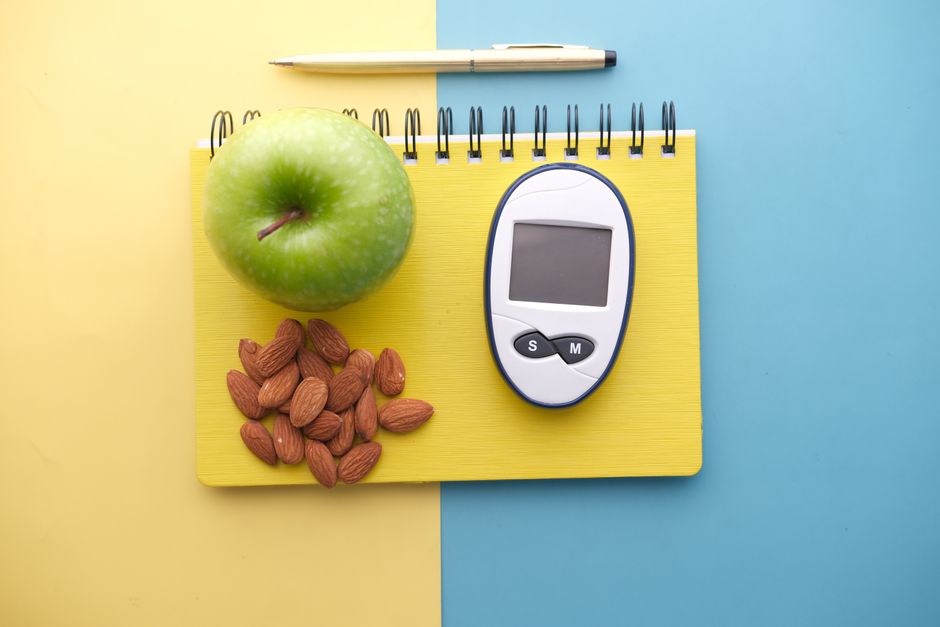
Low blood sugar, called hypoglycemia, is a blood glucose level that has dropped below what your body needs to function normally. The most reliable way to know is to check your blood sugar with a glucose meter or continuous glucose monitor. Symptoms alone can tell you something is wrong, but they overlap with many other conditions, so a number is what confirms it.
For most people with diabetes, the American Diabetes Association defines low blood sugar as a reading below 70 mg/dL. Symptoms usually start in the 50s and 60s mg/dL range, though this varies. Some people feel symptoms at higher levels if their body has adapted to running high. Others feel nothing at all until they are dangerously low.
What Blood Sugar Level Is Considered Low?
The standard threshold is below 70 mg/dL for people with diabetes. This is the number the American Diabetes Association uses to define hypoglycemia. It is not a random cutoff. Below this level, the brain and nervous system start to show measurable effects.
Doctors sort low blood sugar into three levels:
- Level 1 (mild): Below 70 mg/dL. You can still treat yourself.
- Level 2 (moderate): Below 54 mg/dL. This is low enough to cause real neurological symptoms and needs immediate action.
- Level 3 (severe): Any level that leaves you unable to think clearly or function. You need someone else’s help to recover.
For people without diabetes, the threshold is different. A fasting glucose below 70 mg/dL in someone without diabetes is unusual and warrants medical evaluation. It does not automatically mean hypoglycemia in the clinical sense. Doctors often require a specific set of criteria — symptoms plus a low reading that resolves when you eat — before diagnosing it.
What Does Low Blood Sugar Feel Like?
Your body releases adrenaline when glucose drops. That adrenaline rush causes most of the early symptoms. This is why low blood sugar can feel a lot like anxiety or a panic attack.
Common early signs include:
- Shakiness or trembling
- Sweating, often cold and clammy
- Racing heartbeat
- Sudden hunger
- Pale skin
- Anxiety or irritability
- Tingling around the mouth or fingers
As glucose falls further, the brain runs short on fuel. That brings a second set of symptoms:
- Confusion or trouble concentrating
- Slurred speech
- Blurred vision
- Dizziness or trouble walking
- Unusual behavior others notice before you do
- Drowsiness
The brain symptoms are the ones that matter most. They signal that glucose has dropped low enough to affect how your brain works. At that point you may not be able to recognize the problem or treat it yourself.
How To Know If Blood Sugar Is Low Without a Meter
You cannot know for certain without checking. Symptoms are a signal, not a measurement. That said, some signs are more telling than others.
The combination of shakiness, sweating, and sudden hunger in someone who takes insulin is a strong hint. If you have diabetes and you feel this way, treat first and check second. Waiting to confirm with a meter when you already feel symptoms can let the situation get worse.
Certain symptoms are less reliable on their own. Feeling tired, cranky, or foggy can come from poor sleep, stress, dehydration, or a dozen other causes. Do not assume every bad mood is low blood sugar. If you have diabetes and take insulin or certain other medications, though, it should be on your list of possibilities.
One detail worth knowing: some people stop feeling early warning signs after years of diabetes. This is called hypoglycemia unawareness. The body adapts to repeated lows and stops sending the adrenaline alarm. If this happens to you, you cannot rely on symptoms at all. Checking your glucose becomes essential rather than optional.





What Causes Blood Sugar To Drop?
In people with diabetes, low blood sugar is usually a side effect of treatment. Insulin and some oral medications lower glucose. If the dose is higher than the glucose available to work on, levels fall too far.
Common triggers include:
- Taking insulin or diabetes medication without eating enough
- Delaying or skipping a meal
- Exercising more than usual, especially without adjusting food or medication
- Drinking alcohol, which can block the liver from releasing stored glucose
- Being sick, which can throw off usual patterns
Alcohol deserves a closer look. The liver normally releases glucose between meals to keep levels steady. Alcohol interrupts that process. A night of drinking can lead to low blood sugar hours later, sometimes while you sleep. This is one reason lows are more dangerous overnight.
In people without diabetes, low blood sugar is much less common and has different causes. These can include certain medications, heavy alcohol use, severe illness, hormone problems, or — rarely — a tumor in the pancreas that makes too much insulin. These cases need a doctor’s evaluation, not guesswork.
When Is Low Blood Sugar an Emergency?
Low blood sugar becomes an emergency when you cannot treat yourself. If someone is confused, having a seizure, or has passed out, that is a medical emergency. Call 911.
Do not try to give food or drink to someone who is unconscious or cannot swallow. They can choke. If the person has a prescribed glucagon product, someone trained to use it can give it. Glucagon is a hormone that raises blood sugar by signaling the liver to release stored glucose. It comes in several forms, including an injection and a nasal spray.
For a person who is awake and able to swallow, the standard approach is the 15-15 rule. Eat or drink about 15 grams of fast-acting carbohydrate, wait 15 minutes, then check again. If still low, repeat. Fast-acting sources include 4 ounces of juice or regular soda, 4 glucose tablets, or 1 tablespoon of sugar or honey.
After your glucose comes back up, eat a snack with protein and a complex carbohydrate if your next meal is more than an hour away. This helps keep levels steady.
Why Checking Matters More Than Guessing
Symptoms point you toward the problem. A number confirms it. For anyone on insulin or medications that can cause lows, checking is how you catch problems early and avoid the serious ones.
Continuous glucose monitors have changed this for many people. These devices track glucose under the skin and alert you when levels fall, including overnight. Some studies indicate that using a monitor can reduce how often lows happen, though results vary by person and by device. They are not perfect. Readings can lag behind actual blood glucose, especially when levels are changing fast, so a fingerstick check may still be needed to confirm.
If you have diabetes, talk with your doctor about your personal target range and when to check. If you do not have diabetes but keep having symptoms that feel like low blood sugar, get evaluated. The cause may be something else entirely, and it is worth finding out.
Frequently Asked Questions
What is the fastest way to raise low blood sugar?
Fast-acting carbohydrates work quickest, such as glucose tablets, juice, or regular soda. The 15-15 rule — 15 grams of carbohydrate, wait 15 minutes, recheck — is the standard approach for someone who is awake and can swallow.
Can low blood sugar happen without diabetes?
It can, but it is uncommon and usually has a specific cause such as certain medications, heavy alcohol use, or a hormone or pancreas problem. It should be evaluated by a doctor rather than managed at home.
What blood sugar level is dangerously low?
A reading below 54 mg/dL is considered clinically significant and can cause serious neurological symptoms. Any level that leaves you unable to treat yourself is a medical emergency.
Why do I feel shaky but my blood sugar is normal?
Shakiness has many causes, including anxiety, caffeine, stress, and low sleep. A normal glucose reading makes low blood sugar unlikely, so other causes should be considered.
