
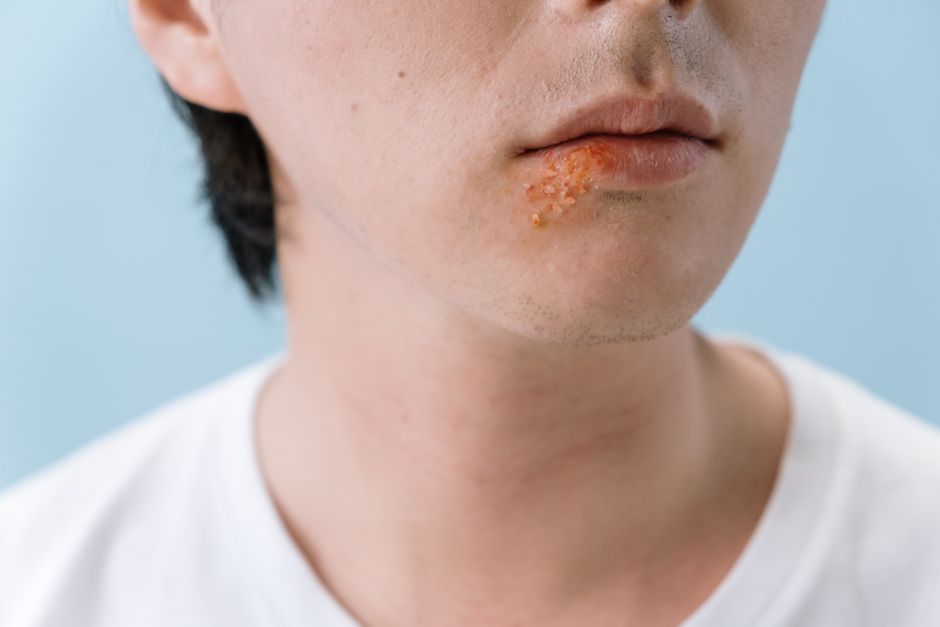
Redness, swelling, and soreness are normal after a piercing. They are also the first signs of an infection. That overlap is exactly why this question is so hard to answer on your own. The clearest signal is not any single symptom. It is the pattern. Irritation stays roughly the same or slowly improves. Infection tends to get worse after the first few days, and it usually adds new symptoms like spreading redness, heat, throbbing pain, or pus that smells bad.
How To Know If A Piercing Is Infected Or Irritated
Time is your best diagnostic tool. A fresh piercing goes through a predictable early phase. In the first two to three days, some redness, swelling, and tenderness around the site is expected. This is the body’s normal inflammatory response to a wound, not a sign that something has gone wrong.
What separates irritation from infection is the direction of travel. Irritation is a reaction to something external — friction, pressure, a chemical, or trauma. Remove the trigger and the piercing settles. Infection is the presence and multiplication of bacteria in the wound. It does not settle on its own, and it typically escalates.
Here is a practical way to think about the difference:
- Irritation: redness stays close to the piercing, swelling is mild, discharge is clear or pale and crusty, and symptoms are stable or improving
- Infection: redness spreads outward, the area feels hot, pain is throbbing or worsening, and discharge becomes thick, yellow or green, or foul-smelling
The discharge question trips up a lot of people. Lymph fluid — the clear, pale-yellow stuff that crusts around a healing piercing — is normal. It is part of wound healing. Pus is different. It is thicker, opaque, and often colored. If you are unsure which you are seeing, that uncertainty itself is worth a call to a clinician.
What Does a Normal Healing Piercing Look Like?
A healing piercing is not a quiet, symptom-free process. It is an active wound that the body is repairing, and it will look and feel like one for a while.
In the first days, expect some redness, mild swelling, and tenderness. Over the following weeks, these should gradually fade. The site may crust, and small amounts of clear or pale fluid are normal. The piercing may also seem to improve and then flare up again. This back-and-forth is common and does not automatically mean infection.
Healing time varies enormously by location, and this matters for interpreting your symptoms. A lobe piercing typically heals in about six to eight weeks. Cartilage piercings, such as the helix or daith, can take several months to a year or more. Nipple and navel piercings are also slow to heal. A piercing that still looks slightly red at three months may be perfectly on track if it is a cartilage piercing — or behind schedule if it is a lobe.
Because healing is slow, the timeline is not a reliable infection test on its own. A piercing can be irritated for weeks without ever becoming infected. The pattern of symptoms matters more than the calendar.
What Causes Irritation in a Piercing?
Irritation almost always has an identifiable cause, and finding it is the fastest route to calming the piercing down. The most common triggers are mechanical.
- Trauma: bumping the piercing, sleeping on it, or catching it on clothing or hair
- Movement: a ring that rotates or slides, which keeps disturbing the healing tissue
- Pressure: tight clothing, a phone held to the ear, or a seatbelt resting on the site
- Jewelry problems: a backing that is too tight, a metal that causes a reaction, or a size that does not fit the anatomy
- Aftercare errors: over-cleaning, harsh soaps, alcohol, hydrogen peroxide, or picking at crusts
- Allergic reaction: sensitivity to nickel or other metals in the jewelry
One clarification worth making: the advice to rotate or twist a new piercing is outdated. It was once common practice, but turning the jewelry re-injures the forming tissue and drags bacteria into the wound. The general clinical direction has moved away from it. Leave the jewelry alone except when cleaning.
If you can name the trigger, you can often fix the problem. Change the jewelry to a well-fitted piece in a suitable metal, stop sleeping on that side, and simplify your cleaning routine. If the irritation clears once the trigger is gone, it was not an infection.




When Should You See a Doctor for a Piercing?
See a clinician if the symptoms are spreading, worsening, or not improving after several days of good aftercare. Several specific signs point toward infection rather than irritation and warrant prompt medical attention.
- Redness that spreads outward from the piercing site
- Increasing swelling, heat, or throbbing pain
- Thick yellow or green discharge, or discharge with a bad smell
- Fever, chills, or a general feeling of being unwell
- A red streak extending from the site
- The jewelry becoming embedded in the skin as swelling increases
Fever and a spreading red streak are the most serious. They suggest the infection may be moving beyond the piercing site, and they call for urgent care rather than waiting to see if things improve.
Location matters for risk. Cartilage piercings in the upper ear carry a higher risk of serious infection than lobe piercings, because the cartilage has limited blood supply and is harder for the immune system and antibiotics to reach. An infection there can, in rare cases, involve the surrounding cartilage and become difficult to treat. Do not delay care for an upper-ear piercing that looks infected.
Do not remove the jewelry on your own if you suspect an infection. Removing it can trap the infection under the skin if the piercing closes over. A clinician can advise on whether the jewelry should stay in place during treatment.
How Do You Care for an Irritated Piercing?
Good aftercare is simple, and most of it is about doing less rather than more. The goal is to keep the site clean without disrupting the healing tissue.
Clean the piercing gently with a sterile saline wound wash or a mild saline solution. Many clinicians recommend a simple saline rinse once or twice a day. Avoid alcohol, hydrogen peroxide, and antibacterial soaps — these irritate healing tissue and can slow the process. Do not pick at crusts; soften them with saline and let them come off on their own.
Beyond cleaning, protect the piercing from the things that irritate it. Do not sleep on it, avoid tight clothing over the site, and keep hair and cosmetics away from it. Do not touch it with unwashed hands.
If the piercing looks infected rather than simply irritated, aftercare alone is not the answer. An infection generally needs medical treatment, which may include antibiotics. A clinician can tell the difference and decide what is needed. This is not a situation to manage with home remedies.
Can an Infected Piercing Heal on Its Own?
Some minor infections may resolve with the body’s immune response, but you cannot reliably predict which ones will. The evidence does not support assuming a piercing infection will clear without treatment.
The risk of waiting is that a minor infection can become a serious one. This is especially true for cartilage piercings, where the infection can spread into the surrounding tissue. Seeking care early is the safer path, and it is far easier to treat an infection when it is small.
There is no reliable home remedy that treats a piercing infection. Saline cleaning helps keep a piercing healthy, but it does not kill an established infection. Do not apply antibiotic ointments meant for other purposes without medical guidance, and do not rely on the internet’s favorite solutions.
Frequently Asked Questions
How do I tell if my piercing is infected or just irritated?
Irritation stays stable or improves and usually has clear or pale discharge, while infection tends to worsen after the first few days with spreading redness, heat, throbbing pain, or thick yellow-green discharge. If symptoms are getting worse rather than better, treat it as a possible infection and see a clinician.
What does an infected piercing look like?
An infected piercing typically shows spreading redness, increasing swelling, warmth, and thick or foul-smelling discharge. Fever, chills, or a red streak extending from the site are signs that need urgent medical care.
Should I take my piercing out if I think it is infected?
No — do not remove the jewelry on your own, because the piercing can close over and trap the infection under the skin. See a clinician, who can advise whether the jewelry should stay in during treatment.
How long does it take for an irritated piercing to heal?
Once the trigger is removed, irritation often settles within days to a couple of weeks, but full healing depends on the location. Lobe piercings typically heal in about six to eight weeks, while cartilage piercings can take several months or longer.
