
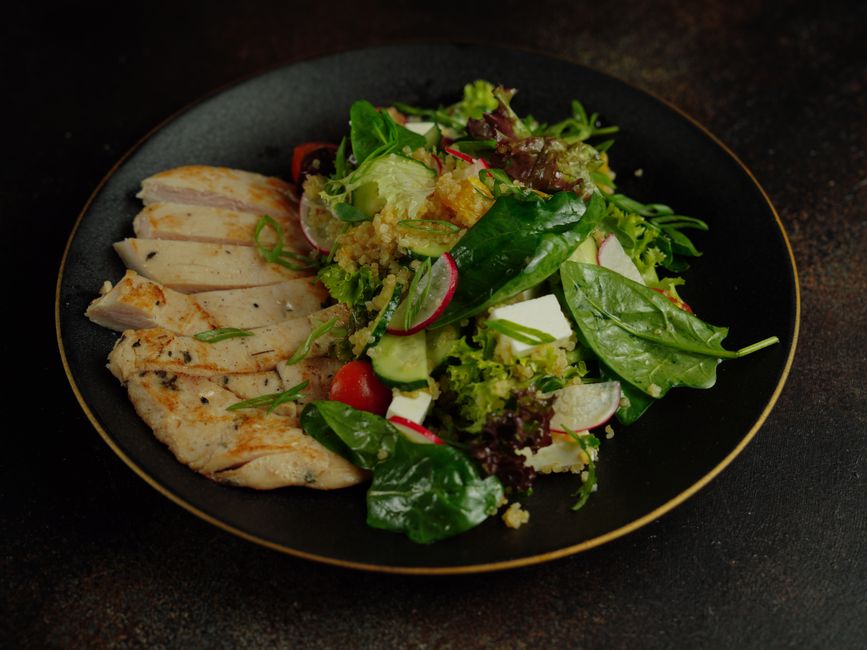
You do not need to guess when chicken is done. The only reliable way to know chicken is cooked is to use an instant-read thermometer. Insert it into the thickest part of the meat without touching bone. The temperature must read 165°F (74°C) for safety. Color and juice color are not reliable. Many people have eaten dry, overcooked chicken because they trusted clear juices. Others have gotten sick because they relied on the meat looking white. A thermometer removes all doubt. It costs less than a restaurant meal and pays for itself in safety and better texture.
Why Is 165°F the Magic Number for Chicken?
The number 165°F is not arbitrary. Research from the USDA and food safety scientists shows that holding chicken at 165°F for 15 seconds kills salmonella and campylobacter instantly. These are the two bacteria most commonly linked to chicken-borne illness. The temperature is high enough to destroy pathogens but low enough to keep meat moist if you pull it off heat at the right moment.
Some cooks argue that chicken can be safe at lower temperatures if held longer. That is true. Chicken held at 155°F for about 50 seconds also becomes safe. But home cooks rarely have the tools or patience to monitor time and temperature that closely. 165°F is the simple, foolproof target. It works for breasts, thighs, wings, and whole birds. As of 2026, the USDA has not changed this recommendation, and no major food safety group disputes it.
One clarification worth noting: the 165°F rule applies to the internal temperature of the meat, not the oven or pan temperature. Your oven might be set to 350°F, but the center of the chicken needs to reach 165°F. That difference matters when you are checking doneness.
Does the Color of the Meat or Juice Tell You Anything?
Pink meat does not always mean raw chicken. This is one of the most common kitchen myths. Young chickens, especially those under eight weeks old, can have pink flesh even when fully cooked. The bones in some chickens also release a pink pigment during cooking. That pigment stains the meat but has nothing to do with safety.
Clear juices are also not a reliable sign. A fully cooked chicken breast can still release slightly pink or cloudy juice. The opposite is also true: clear juice can come from undercooked meat if the muscle fibers have not contracted enough to release myoglobin. The only thing color and juice tell you is that you need a thermometer.
Some studies suggest that visual cues cause more overcooking than undercooking. People see a little pink and keep cooking until the meat is dry and stringy. That is a real loss. A thermometer reading of 165°F gives you permission to stop cooking even if the meat looks a bit pink near the bone.
How To Know Chicken Is Cooked Without a Thermometer
If you absolutely cannot use a thermometer, there are backup methods. But they are less reliable. The touch test works for experienced cooks. Press the thickest part of the chicken with your finger. Raw chicken feels soft and spongy. Fully cooked chicken feels firm and springs back. Compare it to the flesh between your thumb and index finger when your hand is relaxed versus when your thumb touches your pinky. Cooked chicken feels closer to the firm version.
The skewer test is another option. Insert a thin metal skewer into the thickest part. Hold it there for five seconds. Pull it out and touch it to your wrist. If it feels hot, the chicken is likely done. If it feels warm or cool, it needs more time. This method works better for whole birds and thighs than for thin breasts.
Cutting into the meat is the least reliable method. You can cut into the thickest part and look at the texture. Cooked chicken should be opaque all the way through with no translucent or jelly-like areas. But cutting releases juices and dries out the meat. It also lets bacteria from the surface get inside if the chicken is not fully cooked. Use this only as a last check.

How To Know Chicken Is Cooked for Different Cuts
Different cuts of chicken cook at different rates. A boneless skinless breast might reach 165°F in 15 minutes. A whole chicken can take over an hour. The safe internal temperature is the same for all cuts, but how you measure and when you check changes.
| Cut | Typical Cook Time at 350°F | Where to Insert Thermometer |
|---|---|---|
| Boneless breast | 20-25 minutes | Thickest part from the side |
| Bone-in breast | 30-40 minutes | Thickest part, avoid bone |
| Thigh or drumstick | 40-45 minutes | Thickest part, not touching bone |
| Whole chicken | 60-75 minutes | Inner thigh and breast |
| Wings | 20-25 minutes | Thickest part near joint |
Dark meat like thighs and drumsticks can be cooked to a slightly higher temperature without drying out. Many chefs cook dark meat to 175°F or 180°F because the extra heat breaks down connective tissue and makes the meat more tender. White meat does not have that same fat and collagen structure. Taking breasts past 165°F dries them out quickly.
For whole chickens, check the temperature in two places. Insert the thermometer into the inner thigh near the breast but not touching bone. Also check the thickest part of the breast. Both must read at least 165°F. The thigh often takes longer than the breast. If the breast hits 165°F but the thigh is at 155°F, keep cooking.
What Are the Most Common Mistakes When Checking Chicken Doneness?
The biggest mistake is relying on cooking time alone. Ovens vary. A chicken breast that takes 20 minutes in one oven might take 30 in another. The thickness of the meat matters more than the weight. A thick breast needs more time than a thin one, even if they weigh the same.
Another common error is not letting the chicken rest before checking. When you pull chicken from heat, the internal temperature continues to rise by about 5°F to 10°F. This is called carryover cooking. If you check the temperature the second it comes off the heat, you might pull it at 160°F and find it reaches 165°F after five minutes of resting. If you wait until it reaches 165°F on the stovetop, it will climb higher and become dry.
- Do not check temperature immediately after removing from heat. Rest for five minutes first.
- Do not insert the thermometer too close to bone. Bone conducts heat and gives a false high reading.
- Do not use a thin probe thermometer that only reads the surface. The probe must reach the center of the meat.
- Do not rely on pop-up timers in store-bought chickens. They are often inaccurate.
One more mistake that is less obvious: not calibrating your thermometer. Digital thermometers drift over time. Test yours by sticking it into a glass of ice water. It should read 32°F. If it reads 38°F, your chicken might be undercooked even when the thermometer says 165°F. Calibrate or replace it once a year.
Does the Method of Cooking Change How You Check Doneness?
Yes. Grilling, roasting, frying, and sous vide all require slightly different approaches. For grilling, the heat is uneven. One side of a chicken breast might be done while the other side is still raw. Check temperature in multiple spots, especially near the thinner end that cooks faster.
For frying, the crust can make temperature reading tricky. The thermometer must go through the crust and into the center. Do not rely on the color of the breading. A golden brown crust does not mean the inside is cooked. Fried chicken is one of the most common sources of undercooked poultry because people trust the visual cue of the coating.
Sous vide is different. Chicken cooked sous vide at 145°F for two hours is safe because the extended time kills bacteria. But if you remove it from the bag and sear it, the internal temperature might not change much. You do not need to hit 165°F if you have held the chicken at a lower temperature long enough. But you need to know the time and temperature relationship. For most home cooks, the simplest approach is still to aim for 165°F unless you are specifically following a sous vide recipe with time and temperature data.
For roasting a whole chicken, the legs cook faster than the breast in some ovens. Rotate the pan halfway through. Check the temperature in both the thigh and breast. If the breast is done but the thigh is not, cover the breast with foil and continue cooking until the thigh reaches 165°F.
Frequently Asked Questions
Frequently Asked Questions
Can chicken be safe if it is pink inside?
Yes. Pink meat near the bone is normal in young chickens and does not mean the chicken is undercooked. Only a thermometer reading of 165°F confirms safety.
What happens if you eat undercooked chicken?
You can get food poisoning from salmonella or campylobacter. Symptoms include stomach cramps, diarrhea, fever, and vomiting within 12 to 72 hours.
How long should you let chicken rest after cooking?
Rest chicken for five to ten minutes before cutting. This allows carryover cooking to finish and juices to redistribute for better texture.
Is it safe to eat chicken that reaches 160°F?
Chicken at 160°F is safe if it stays at that temperature for at least 60 seconds. Most home cooks should aim for 165°F to avoid any risk.
