
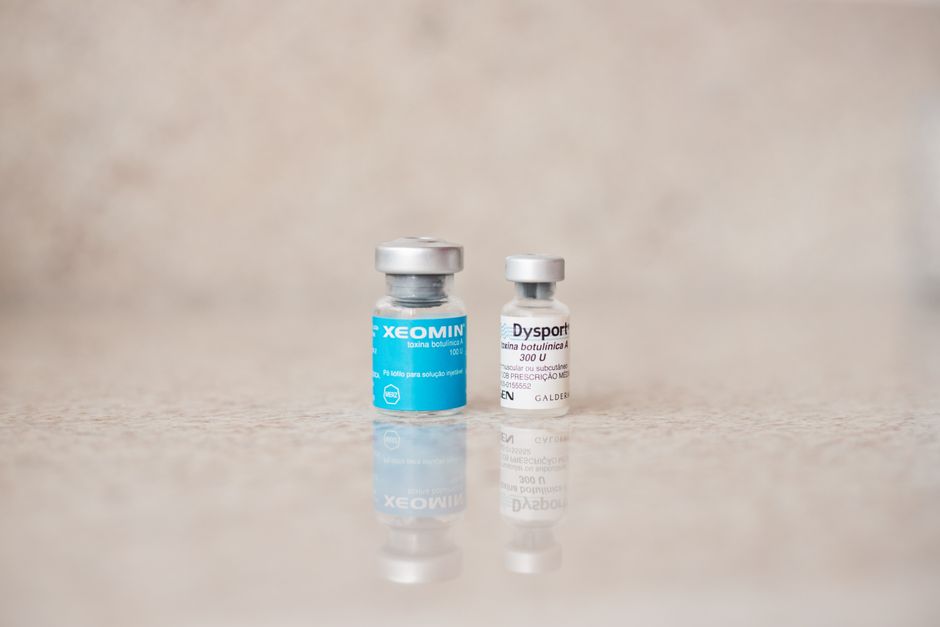
Botulism is rare, but when it happens it is a medical emergency. The toxin that Clostridium botulinum produces attacks the nervous system and can make it hard to breathe. The good news is that this danger is well understood and easy to prevent with heat. Boiling destroys the toxin quickly, and pressure canning at the correct temperature destroys the spores.
Here is the short answer. The toxin is a protein, and it is heat-labile, meaning heat breaks it down. Bringing food to a rolling boil for several minutes inactivates the toxin. The spores are a different problem. They survive boiling and can only be reliably killed with moist heat at 121°C (250°F), which is why low-acid foods must be processed in a pressure canner, not a boiling water bath.
Those two facts explain almost everything about safe home canning and about why some foods are riskier than others.
How To Kill Botulism Toxin And Spores In Food
Heat works, but it works differently on the toxin than it does on the spores. Treating them as the same thing is the mistake behind most home canning illnesses.
The toxin is fragile. It is a protein, and moist heat denatures it. Bringing contaminated food to a full boil and holding it there for several minutes is enough to make it safe to eat. This is why public health agencies tell people to boil home-canned low-acid foods before tasting them, even when the jar looks and smells fine.
The spores are tough. They are dormant survival structures, built to withstand harsh conditions. Boiling water tops out at 100°C (212°F) at sea level, and that is not enough to reliably kill Clostridium botulinum spores. You need 121°C (250°F) under pressure. Only a pressure canner reaches that temperature.
There is one more detail worth knowing. The spores themselves do not make you sick. They are harmless if they stay dormant. Problems begin when they wake up, multiply, and produce toxin in an oxygen-free, low-acid environment. That is the exact environment inside a sealed jar of green beans or a vacuum-packed pouch.
Why Does Boiling Kill The Toxin But Not The Spores?
The difference comes down to structure. The toxin is a relatively simple protein that unfolds and loses its shape when heated. The spore is a hardened, dehydrated shell that protects the cell’s genetic material.
When you boil food, you are not sterilizing it. You are inactivating the toxin that is already present. That is a meaningful distinction. A jar of contaminated food that has been boiled is safe to eat right away, but it is not sterile. If you leave it at room temperature, surviving spores can germinate and produce new toxin.
This is why the standard advice is to boil, then eat promptly, and refrigerate leftovers. Reheating does not give you a permanent pass.
Pressure canning solves the spore problem directly. By raising the boiling point of water, a pressure canner reaches the temperature needed to destroy spores during the canning process itself. That is why the USDA and the National Center for Home Food Preservation insist on pressure canning for low-acid foods. It is not a preference. It is the only method that reliably works.
Which Foods Are Actually High Risk?
The foods that cause botulism share three traits: low acid, low oxygen, and time at warm temperatures. Acidic foods are much lower risk because Clostridium botulinum does not grow well in acid.
High-risk foods include:
- Home-canned low-acid vegetables such as green beans, corn, beets, and asparagus
- Home-canned or improperly stored fish and meat
- Fermented fish and fermented seal or whale products, a well-documented cause in some Arctic communities
- Garlic or herbs stored in oil at room temperature
- Baked potatoes wrapped in foil and left at room temperature
- Vacuum-sealed or reduced-oxygen packaged foods kept too warm
Infant botulism is a separate story. In babies under one year, the spores themselves can colonize the immature gut and produce toxin there. Honey is the best-known source, which is why it should not be given to infants under 12 months. The spores in honey are harmless to older children and adults.
Commercial canned goods are a different category. They are processed under strict controls and are extremely low risk. When commercial products have been linked to botulism, it has usually involved a processing failure or a product stored improperly after opening.



What Temperature Actually Destroys Botulism Spores?
Spore destruction requires moist heat at 121°C (250°F) under pressure. This is the basis for the 12D concept used in food science, which is a processing standard designed to reduce spore populations by a factor of 10 to the 12th power. It is a safety margin, not a temperature you would ever reach in a home oven or a pot of boiling water.
Home pressure canners are designed to hit this target when operated correctly. Two things must be right: the pressure and the time.
Pressure depends on altitude. Water boils at a lower temperature as you go higher, so canners at altitude need more pressure to reach the same internal temperature. This is why canning guides give different pressure settings for different elevations. Using sea-level pressure at 5,000 feet does not get the job done.
Time depends on the food. Dense, low-acid foods like pumpkin or meat need longer processing than something like tomatoes. The tested times in USDA and university extension guides are not arbitrary. They were developed and validated for specific jar sizes and pack styles.
Improvised times, oven canning, open-kettle canning, and boiling water bath processing of low-acid foods are all associated with botulism cases. These are not safer shortcuts. They are the reason the rules exist.
How Do You Tell If Food Is Contaminated?
You usually cannot. This is the part that catches people off guard.
Contaminated food often looks, smells, and tastes completely normal. Sometimes there are signs — a bulging lid, a cloudy liquid, a foul odor, or gas bubbles — but their absence proves nothing. A jar can contain lethal toxin and look perfect.
The only reliable test is a laboratory test, and that is not something you can do at home. So the practical rule is simple: never taste food to check whether it is safe. Even a small amount of toxin can cause serious illness.
If a home-canned jar shows any sign of spoilage, the safe move is to discard it. If you are unsure about a low-acid home-canned food, boil it for several minutes before eating, and never taste it straight from the jar first.
What Should You Do If You Suspect Botulism?
Botulism is a medical emergency. Early symptoms can include double vision, drooping eyelids, slurred speech, difficulty swallowing, and muscle weakness that starts near the head and moves downward. These typically begin within 12 to 36 hours of eating contaminated food, though the range can be wider.
If you or someone else has these symptoms after eating suspect food, seek emergency care immediately. Do not wait to see if it passes. Antitoxin can help, but it works best when given early, and severe cases may need breathing support in a hospital.
For prevention at home, the basics hold up well:
- Follow tested recipes from USDA or university extension guides exactly, without changing amounts or processing times
- Use a pressure canner for all low-acid foods, and have the gauge checked regularly
- Boil home-canned low-acid foods for several minutes before serving, even if they look fine
- Refrigerate garlic-in-oil and herb-in-oil mixtures, or make them fresh and use within a few days
- Keep baked potatoes in foil hot or refrigerated, never at room temperature
- Discard any can with a bulging lid, leak, or off odor without tasting it
None of this is complicated. It is just specific. The same heat that makes food safe to eat is the heat that makes it safe to store, and knowing which one you are dealing with is the whole game.
Frequently Asked Questions
Does boiling food kill botulism toxin?
Yes. Boiling inactivates the toxin within several minutes because it is a heat-sensitive protein. Boiling does not kill the spores, so the food should be eaten promptly and refrigerated afterward.
Can you kill botulism spores by boiling?
No. Boiling water reaches 100°C (212°F), which is not hot enough to reliably destroy Clostridium botulinum spores. Spores require moist heat at 121°C (250°F) under pressure, which is why low-acid foods must be pressure canned.
Is botulism always visible in food?
No. Contaminated food often looks, smells, and tastes normal, so appearance is not a reliable safety check. Never taste suspect food to test it.
How long does it take for botulism symptoms to appear?
Symptoms usually begin within 12 to 36 hours of eating contaminated food, though the range can be wider. Seek emergency care right away if symptoms appear.
