
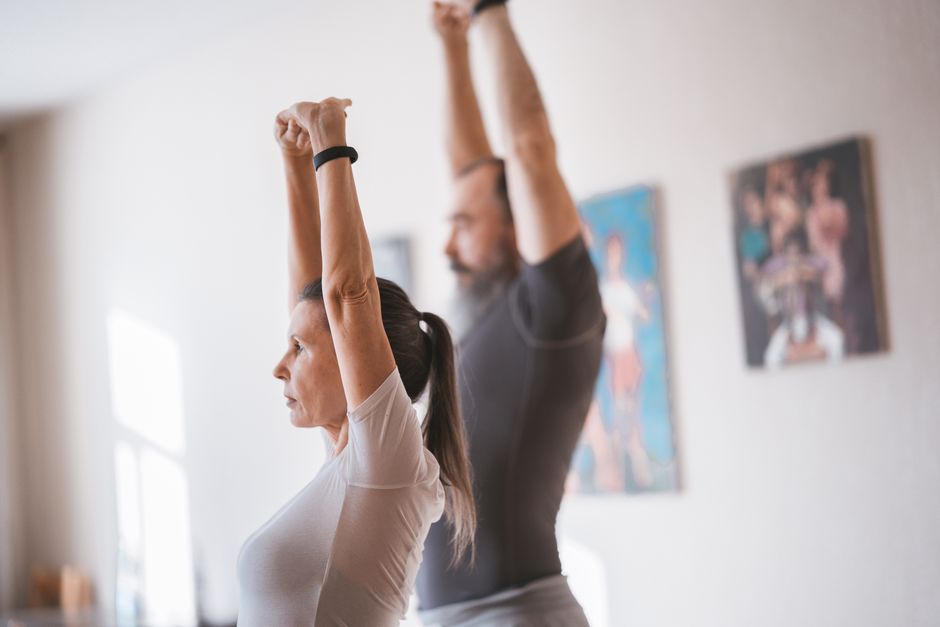
Joint pain is one of the most common reasons people see a doctor as they get older. The good news is that much of the wear and tear is not inevitable. You can protect your cartilage and maintain mobility with a combination of movement, strength, and smart daily habits. The most effective strategy is to keep moving consistently, strengthen the muscles around your joints, and manage your weight. These actions reduce the load on your joints and help preserve the cartilage that cushions them.
What Actually Causes Joint Pain With Age?
Cartilage is the firm, slippery tissue that covers the ends of bones where they meet. It acts as a shock absorber. Over time, this tissue can thin and lose its smoothness. When that happens, bones may rub together, causing pain, stiffness, and swelling. This condition is called osteoarthritis, and it is the most common form of arthritis.
Age itself is a major risk factor. But aging alone does not guarantee joint problems. Genetics play a role, as does past injury. A joint that was sprained or broken years ago is more likely to develop arthritis later. Repetitive stress from certain jobs or sports also adds up over decades.
Inflammation is another piece of the puzzle. Chronic low-grade inflammation in the body can accelerate cartilage breakdown. This is where diet and lifestyle choices matter. Managing inflammation is not about a single food or supplement. It is about an overall pattern of healthy habits.
How Does Exercise Protect Your Joints?
Exercise is the closest thing we have to a joint-preserving medicine. Movement pushes fluid into the cartilage, which acts like a sponge. This brings in nutrients and removes waste products. Joints that are not moved regularly can actually lose their range of motion and become stiffer.
There is a common fear that exercise wears out joints faster. That fear is not supported by evidence. Low-impact activities like walking, swimming, and cycling are safe for most people. They keep the joint moving without putting excessive force on it. High-impact activities like running are not necessarily bad, but they do require good form and adequate recovery.
The key is consistency rather than intensity. A moderate amount of movement most days of the week is better than a hard workout once a week. If you are new to exercise or have existing joint pain, start slow. A physical therapist can design a program that works for your specific joints.
Why Muscle Strength Matters for Joint Health
Strong muscles are the best support system your joints have. Every time you move, your muscles absorb part of the force that would otherwise hit the joint. For example, strong thigh muscles reduce the load on the knee joint significantly. Weak muscles force the joint to take on more stress than it should.
Strength training does not mean lifting heavy weights at the gym. Bodyweight exercises like squats, lunges, and wall sits are effective. Resistance bands are also a good option. The goal is to build strength in the muscles that surround your most-used joints: knees, hips, shoulders, and spine.
Balance training is often overlooked but equally important. Falls are a leading cause of joint injuries in older adults. Better balance reduces your risk of falling and protects your joints from acute damage. Simple exercises like standing on one leg while brushing your teeth can make a difference over time.




What Role Does Body Weight Play?
Body weight has a direct mechanical effect on joints, especially the knees and hips. Excess weight increases the force across these weight-bearing joints with every step. Research consistently shows that weight loss reduces knee pain in people with osteoarthritis. Even modest weight loss can produce noticeable improvements in pain and function.
Weight also affects inflammation. Fat tissue is not just passive storage. It produces inflammatory chemicals that circulate throughout the body. This means that carrying excess weight can promote inflammation even in joints that are not directly bearing the load.
If you are overweight, gradual weight loss is a realistic and effective goal. Crash diets are not the answer because rapid weight loss often includes muscle loss. Losing fat while preserving or building muscle is the ideal scenario for joint health.
How To Keep Your Joints Healthy As You Age Through Diet
There is no single food that will cure joint pain. But the overall pattern of your diet influences inflammation levels. A diet rich in fruits, vegetables, whole grains, and healthy fats is associated with lower levels of inflammatory markers in the blood.
Omega-3 fatty acids, found in fatty fish like salmon and sardines, have anti-inflammatory properties. Some research suggests they can reduce joint pain and stiffness in people with rheumatoid arthritis. The evidence for osteoarthritis is less strong, but the general health benefits of omega-3s are well established.
Antioxidant vitamins like vitamin C and vitamin E help protect cells from damage. These are found in colorful fruits and vegetables. Vitamin D and calcium are important for bone health, which indirectly supports joint health. If your bones are weak, the joints attached to them are at higher risk of problems.
It is important to be realistic about supplements. Glucosamine and chondroitin are widely marketed for joint health. The evidence is mixed. Some studies show modest pain relief, while others show no benefit over a placebo. If you want to try them, they are generally safe. But they are not a substitute for exercise and weight management.
Daily Habits That Protect Your Joints
Your posture and movement patterns throughout the day matter as much as your exercise routine. Poor posture puts uneven stress on joints. For example, slouching at a desk for hours loads the spine and shoulders in ways they were not designed to handle.
Ergonomics at work and home can reduce joint strain. A chair that supports your lower back, a keyboard at the right height, and a phone held at eye level are simple adjustments. They do not require expensive equipment, just awareness of how you hold your body.
Pacing yourself is another important habit. If you have an active day planned, break it up with rest periods. This is especially important for people who already have joint pain. Pushing through pain often leads to a flare-up that sets you back further than a rest break would have.
Sleep is a critical component that is often ignored. During deep sleep, the body repairs tissues, including cartilage. Chronic poor sleep is associated with higher levels of pain and inflammation. Aim for consistent, restful sleep as part of your joint health strategy.
When Should You See a Doctor About Joint Pain?
Some joint pain is normal with age. But certain symptoms warrant medical attention. If a joint is hot, red, or severely swollen, seek care promptly. These signs can indicate infection or inflammatory arthritis, which require specific treatment.
Pain that wakes you up at night or pain that does not improve with rest is also worth investigating. Joint pain that lasts more than a few weeks without a clear cause should be evaluated. A doctor can determine whether the issue is osteoarthritis, another type of arthritis, or a different condition entirely.
Do not assume that joint pain is just part of getting older. Some conditions are highly treatable, especially when caught early. A timely diagnosis can prevent further joint damage and improve your quality of life.
What Not to Do: Common Joint Health Mistakes
One of the biggest mistakes is staying still to avoid pain. Rest is helpful for a day or two after an injury, but prolonged inactivity weakens muscles and stiffens joints. The joint loses its range of motion, and movement becomes even more painful.
Another mistake is relying on pain medication to push through activities that are causing damage. Pain is a signal. If an activity consistently causes sharp joint pain, that is not a reason to take more medication. It is a reason to modify the activity or see a professional.
Popping or cracking your joints is generally not harmful. The sound is caused by gas bubbles in the joint fluid. However, if cracking is accompanied by pain, it is worth getting checked. There is no evidence that habitual cracking leads to arthritis.
Finally, be cautious about viral health claims on social media. No supplement, cream, or device has been shown to reverse arthritis. If a product promises to cure joint pain, it is likely too good to be true.
Frequently Asked Questions
What is the best exercise for aging joints?
Low-impact activities like walking, swimming, and cycling are the safest and most effective choices. Strength training with light weights or resistance bands is also important for supporting the joints.
Can supplements really help joint pain?
Glucosamine and chondroitin have mixed evidence for osteoarthritis pain relief. Some people report benefit, but they are not a substitute for exercise, weight management, and a healthy diet.
Is running bad for your knees as you age?
Running is not inherently bad for knees, especially if you build up gradually and have good form. However, if you already have knee osteoarthritis, high-impact running may worsen pain and should be discussed with a doctor.
How much weight loss helps knee pain?
Even modest weight loss can reduce the load on your knees and improve pain. The goal is gradual, sustainable weight loss that preserves muscle mass.
