
Leg cramps are sudden, hard contractions of a muscle — most often in the calf — that can last seconds to several minutes and leave the area sore for hours afterward. You can reduce how often they happen by keeping the muscle supplied with blood and fluid, stretching it daily, and training it to handle load. Below is a step-by-step approach, starting with the most common causes and what to do about each.
What Actually Causes Leg Cramps?
Most leg cramps fall into two groups: those that happen during or right after exercise, and those that happen at rest, usually at night. They have different triggers, and mixing them up is why many people treat cramps the wrong way.
Exercise-associated cramps typically occur in muscles that are working hard, often in heat. The old explanation was purely dehydration and salt loss. That is part of the story, but not the whole one. Current thinking points to neuromuscular fatigue — the muscle’s control system becoming overexcited after repeated contraction — as a major driver. This is why cramps often hit late in a workout or match, and why the same athlete can cramp one day and not the next under the same conditions.
Night cramps are different. They become more common with age and are strongly associated with:
- Pregnancy, especially in the second and third trimesters
- Certain medications, including some diuretics and statins
- Nerve problems, poor circulation, and thyroid or kidney conditions
- Liver disease and diabetes
- Prolonged sitting or standing, and sleeping with the foot pointed down
For most healthy adults, night cramps are harmless but disruptive. For some people they are the first sign of an underlying condition. The distinction matters, and it is covered below.
How To Keep Legs From Cramping: The Step-by-Step Routine
Start with the basics that apply to almost everyone. These steps address the most common, modifiable causes.
Step 1: Stretch the calf daily
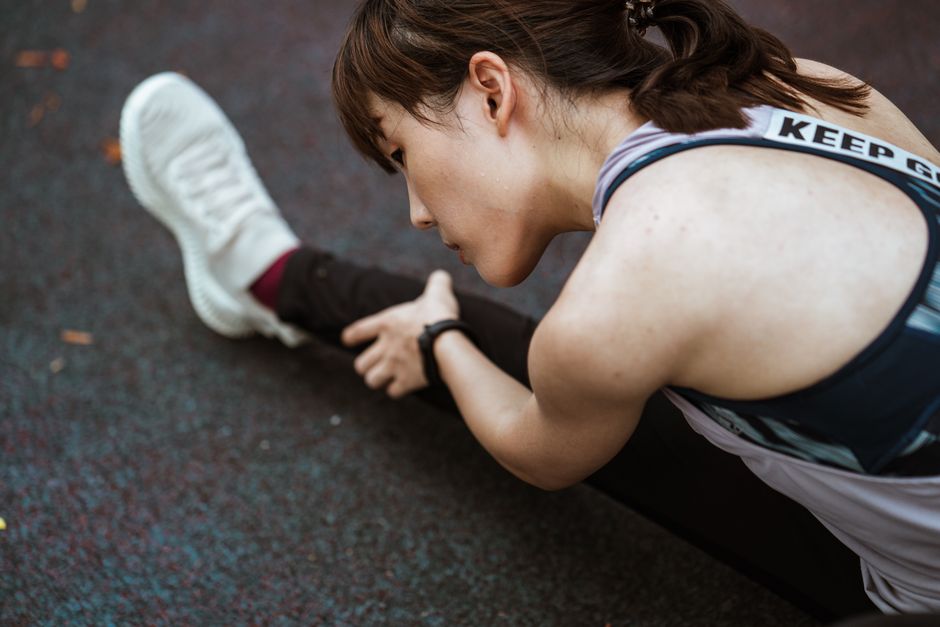
This is the single most useful habit for night cramps. Stand facing a wall, place both hands on it, step one foot back with the heel flat on the floor, and lean forward until you feel a stretch in the back leg. Hold for about 30 seconds, then switch sides. Do it before bed and again in the morning.
Stretching does not prevent every cramp, and the evidence for it is modest but reasonable. It is low-risk and many people notice fewer episodes. A second stretch — standing on a step and letting the heel drop below the edge — targets the same muscle from a different angle.
Step 2: Keep fluid and electrolytes steady
Drink to thirst through the day, and more when it is hot or you are sweating heavily. Plain water is usually enough for everyday activity. For long or intense exercise in heat, drinks containing sodium and other electrolytes are reasonable.
Here is where people overcorrect. There is no good evidence that mega-dosing magnesium or potassium prevents cramps in healthy adults with normal diets. The evidence for magnesium supplements is mixed at best, and most studies in non-pregnant adults have not shown a clear benefit. If you eat a varied diet, your electrolyte intake is probably fine. If you have a diagnosed deficiency, that is a different situation and worth discussing with a clinician.
Step 3: Build strength and load tolerance
Muscles that are trained for the demands placed on them cramp less. Calf raises, done slowly and through a full range of motion, build both strength and fatigue resistance. Start with body weight and add repetitions before adding load. This is especially relevant if you cramp during exercise.
Step 4: Warm up and pace yourself
A few minutes of easy movement before hard exercise, and a gradual build in intensity, reduce the fatigue that sets off exercise cramps. If you are new to a sport or returning after a break, increase volume gradually rather than jumping in.
Step 5: Check your sleep position
Sleeping with the toes pointed — common on your stomach or with heavy bedding pulling the foot down — keeps the calf in a shortened position for hours. That sets up a cramp when you move. Sleep on your side or back with the feet relaxed, or use a pillow to keep the ankles neutral.
Step 6: Review your medications
If cramps started or worsened after a new prescription, mention it to your prescriber. Do not stop a medication on your own. Diuretics, some blood pressure drugs, and statins are among the classes linked to cramps in some people, and a clinician can weigh the trade-offs.
What Should You Do When a Cramp Hits?
Stop the activity and gently stretch the cramped muscle. For a calf cramp, sit or lie down and pull the toes toward your shin until you feel the muscle release. Hold, then relax. A gentle massage and warmth — a warm shower or heating pad — can ease the lingering tightness.
Do not force through the pain. The muscle is already maximally contracted; pushing harder prolongs it. Most cramps ease within a few minutes with stretching.
Some research suggests that pickle juice or other strong-tasting liquids can shorten a cramp, possibly through a reflex triggered in the mouth and throat rather than by absorbing electrolytes. The effect has been studied mainly in exercise settings, and results are not uniform. It is not a reliable prevention strategy, but as a response to an active cramp it is low-risk for most people.




Do Supplements and Remedies Actually Work?
The honest position is that most over-the-counter cramp remedies have weak or absent evidence. Here is where things stand for the most common ones.
- Magnesium: Evidence is mixed. It may help some people with pregnancy-related cramps, but studies in older adults and athletes have largely not shown benefit. The evidence in pregnancy is not strong enough to recommend it universally, and pregnant readers should check with their clinician before starting any supplement.
- Potassium: No good evidence that supplements prevent cramps in people without a deficiency. Food sources like bananas and potatoes are safe and preferable.
- Vitamin B complex: Some small studies have suggested benefit for night cramps, but the evidence is limited and not consistent. It is not an established treatment.
- Quinine: Not recommended. Regulators have warned against using quinine for leg cramps because of serious side effects, including blood disorders, and the benefit is small.
- Pickle juice: Studied mainly for exercise cramps, with mixed results. Low-risk but unproven as prevention.
Be wary of products marketed as “clinically proven” to stop cramps. If you look for the study, it is often small, short, or funded by the maker.
When Should You See a Doctor About Leg Cramps?
Most cramps are harmless. Some are not, and a few warning signs deserve a medical visit.
See a clinician if cramps are frequent enough to disrupt sleep most nights, if they come with swelling, redness, or warmth in the leg, if you have weakness or numbness, or if they occur with exercise and ease with rest in a pattern that is new. Cramps in the calf that reliably appear with walking and resolve within minutes of stopping can be a sign of narrowed arteries — a condition called peripheral artery disease — and should be evaluated.
Also seek care if cramps are accompanied by dark urine after heavy exercise, which can signal muscle breakdown, or if you have a known condition such as diabetes, kidney disease, or thyroid disease and your cramps are worsening.
These signs do not mean something serious is present. They mean the cause should be checked rather than assumed to be benign.
Can You Prevent Night Cramps Specifically?
Night cramps respond best to a few targeted habits. Stretch the calf before bed. Keep the feet warm — cold muscles cramp more readily. Avoid pointing the toes during sleep. Stay hydrated through the evening without drinking so much that you are up all night.
For people who still cramp despite these steps, a clinician may consider underlying causes such as medication side effects, nerve problems, or circulation issues. There is no single proven drug treatment for night cramps, and the medications sometimes tried have limited evidence and their own risks.
Frequently Asked Questions
What is the fastest way to stop a leg cramp?
Gently stretch the cramped muscle — for a calf cramp, pull your toes toward your shin and hold. Most cramps ease within a few minutes with stretching and gentle massage.
Does magnesium help leg cramps?
The evidence is mixed. Some studies suggest it may help pregnancy-related cramps, but most trials in older adults and athletes have not shown a clear benefit.
Why do my legs cramp at night?
Night cramps are linked to age, pregnancy, certain medications, nerve and circulation problems, and sleeping with the toes pointed. Stretching the calf before bed and keeping the feet warm can reduce episodes.
When should I worry about leg cramps?
See a clinician if cramps come with swelling, redness, or warmth in the leg, if you have weakness or numbness, or if cramps reliably appear with walking and ease with rest.
