
Bananas ripen because of ethylene gas, a natural plant hormone the fruit releases from the moment it starts to mature. To keep them from ripening too fast, separate them from each other, keep them cool but not cold, and block the ethylene from building up around them. The single most effective step is to break the bunch apart and wrap the crown of each banana, since the stem is where most of the ethylene escapes.
That is the short answer. The rest of this article explains why each step works, which popular tricks actually do nothing, and how to handle the different stages of ripeness you already have on your counter.
Why Do Bananas Ripen So Fast?
Bananas are what biologists call climacteric fruit. That means they continue ripening after harvest, and they do it in a burst rather than a slow drift. Apples, avocados, peaches, and tomatoes behave the same way. Berries and citrus do not.
The driver is ethylene, a gas that acts as a ripening hormone in plants. A banana produces ethylene as it matures, and that ethylene triggers the banana to produce more of it. It is a self-feeding loop.
This is why a bunch of bananas seems fine on Monday and speckled by Wednesday. Once the loop gets going, it accelerates. Ethylene also spreads through the air, so one ripening banana can push its neighbors along faster.
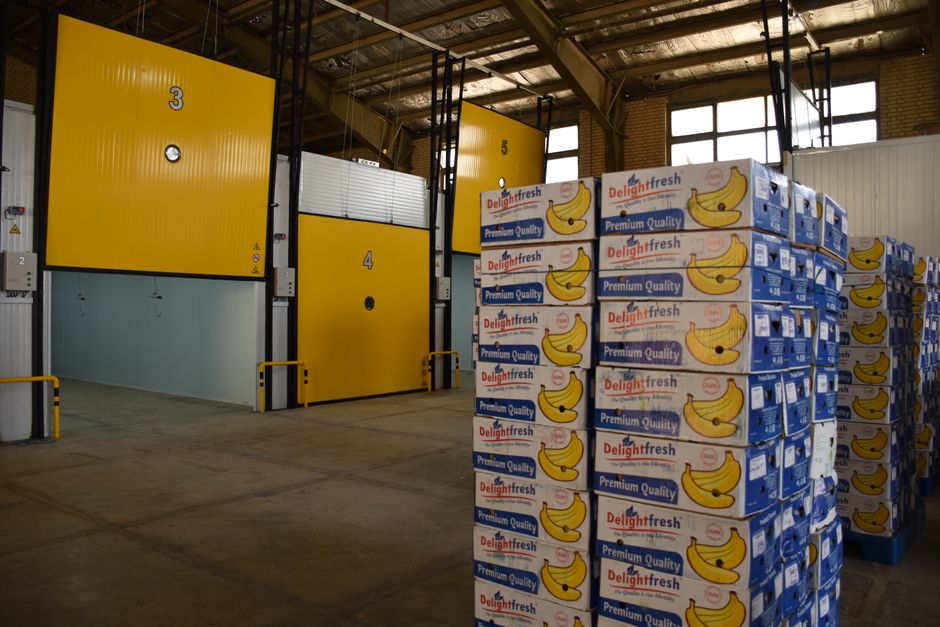
Commercial growers use this deliberately. Bananas are picked green and shipped in controlled conditions, then exposed to ethylene at the destination to trigger uniform ripening. The same biology that lets a warehouse ripen a thousand bananas at once is what you are trying to slow down on your kitchen counter.
How To Keep Bananas From Ripening: Step by Step
These steps work together. Doing just one helps a little. Doing all of them buys you meaningfully more time.
- Step 1 — Break up the bunch. Separate the bananas and store them individually. A cluster traps ethylene in the space between the fruit, so each banana ripens its neighbors.
- Step 2 — Wrap the crowns. Cover the top stem of each banana with plastic wrap, foil, or a small bag. The crown is the main exit point for ethylene. Wrapping it does not stop ripening, but it slows how much gas reaches the air around the fruit.
- Step 3 — Keep them away from other produce. Apples, avocados, pears, peaches, and tomatoes all release ethylene. Storing bananas near them speeds everyone up.
- Step 4 — Choose the right spot. A cool, dark place away from direct sun and away from the stove. Room temperature is fine. Heat accelerates ripening.
- Step 5 — Hang them if you can. A banana hanger reduces bruising on the underside, and bruised spots ripen faster than intact skin.
- Step 6 — Refrigerate once they are ripe. Cold slows ripening, but it also causes the skin to darken. More on that below, because the skin color is misleading.
None of these steps stop ripening. They slow it. A banana is a living piece of fruit with a fixed ripening program, and no kitchen trick reverses that.
Does Refrigerating Bananas Actually Work?
Yes, but with an important catch. Cold temperatures slow the enzymatic reactions that drive ripening, so the inside of the banana stays firm and sweet longer in the fridge. What changes is the peel.
Refrigerated bananas turn dark brown or black within a day or two. That discoloration is a cold injury to the skin, not rot. The flesh inside is usually still fine. This is one of the most misunderstood things about banana storage: people throw away perfectly good fruit because the peel looks bad.
The practical sequence is:
- Let bananas ripen on the counter until they reach the stage you like.
- Move them to the refrigerator to hold that stage.
- Expect the peel to darken. Peel it and check the flesh before deciding anything.
Putting green bananas straight into the fridge is a different situation. Cold can interrupt ripening in a way that the fruit never fully recovers from, and the result is often a banana that stays hard and never develops proper flavor. Ripen first, then chill.




What About the Freezer?
Freezing stops ripening completely. It is the only method on this list that halts the process rather than slowing it.
Freezing works best for bananas you plan to use in smoothies, baking, or banana bread rather than eat out of hand. The texture changes once thawed because ice crystals break down cell walls, and the fruit turns soft and watery.
For most home use, peel the bananas first, then freeze the flesh in a sealed bag or container. Peeling after freezing is far more difficult. Very ripe bananas freeze well and are the ones most people want for baking anyway.
Which Banana Storage Tricks Do Not Work?
Several widely shared tips do not hold up.
Wrapping the whole banana in plastic. This traps moisture and can promote mold, while doing little about ethylene that is already inside the fruit. Wrapping the crown is different from wrapping the entire banana.
Storing bananas in a sealed container. A closed container traps the ethylene the banana is releasing and concentrates it right back around the fruit. Ventilation helps more than sealing.
Separating bananas and then putting them back in the same bowl. The physical separation matters less if the gas can still pool around them. Give each banana some air.
Rinsing or washing the peel. This does nothing to slow ripening and adds surface moisture, which favors mold.
One claim worth addressing directly: no kitchen method removes ethylene from inside the fruit. You can only manage the ethylene in the air around it and slow the internal chemistry with cold.
How Long Can You Actually Extend Banana Ripeness?
There is no single number, because it depends on how ripe the bananas were when you bought them, the temperature of your kitchen, and how much ethylene is in the surrounding air. What can be said with confidence is the direction of each effect.
Separating the bunch and wrapping the crowns slows ripening compared with leaving the bunch intact. Refrigeration slows it further once the fruit is ripe. Freezing stops it. Storing bananas next to apples or avocados speeds it up.
If you want a rough planning guide rather than a promise: buy bananas at different ripeness stages in the same shopping trip. Some green, some yellow, some with a few spots. That gives you a rolling supply instead of a counter full of fruit that all peaks on the same day. It is a more reliable strategy than trying to force a single bunch to last two weeks.
Does the Color of the Peel Tell You Anything Reliable?
Peel color is a decent guide at room temperature and a poor one in the refrigerator.
At room temperature, green means starch is still converting to sugar. Yellow means the conversion is largely done. Brown speckles mean sugars are peaking and the fruit is at its sweetest. Full brown means it is past eating quality for most people.
In the fridge, the peel darkens from cold injury rather than from ripening. A black refrigerated banana can have perfectly good yellow flesh inside. The peel is no longer tracking what is happening in the fruit.
The more reliable test is touch and smell. A banana that gives slightly to gentle pressure and smells sweet is ready. A banana that feels firm and smells like nothing is not.
Does the Ripeness Stage Change How You Should Store It?
Yes, and this is where most people get it backwards. The storage method should match the stage.
Green bananas: Leave them at room temperature, separated, crowns wrapped. Do not refrigerate. They need warmth to ripen properly.
Yellow bananas, no spots: This is the window where you have the most control. If you want to eat them over the next day or two, leave them out. If you want to hold them, refrigerate now.
Speckled bananas: They are at peak sweetness and will decline quickly at room temperature. Refrigerate to hold, or peel and freeze for baking.
Fully brown bananas: Too soft for eating raw, but excellent for banana bread, muffins, and smoothies. Peel and freeze them. Very ripe bananas mash more easily and carry more sweetness, which is why most banana bread recipes specifically call for them.
Frequently Asked Questions
Does wrapping banana stems really slow ripening?
Yes, it helps. The crown of the banana is where most ethylene escapes, so covering it reduces how much gas builds up around the fruit and slows the ripening loop.
Should you put bananas in the fridge to keep them from ripening?
Only after they are already ripe. Cold slows further ripening and holds the fruit at that stage, but it darkens the peel through cold injury even though the flesh inside often stays fine.
Why do my bananas ripen faster next to other fruit?
Because apples, avocados, pears, peaches, and tomatoes all release ethylene gas, which triggers bananas to ripen faster. Keeping bananas away from those fruits slows the process.
Can you stop bananas from ripening completely?
No. Ripening is a natural process that continues after harvest, and no kitchen method reverses it. Freezing is the only option that stops it entirely, and it changes the texture of the fruit.
