
Growing pains are real pain, but they are not caused by growing. The name is a label doctors have used for decades to describe a common pattern of leg aches in young children, and the best evidence suggests the bones themselves are not hurting because they are stretching. Relief comes from warmth, gentle massage, and — when needed — a children’s pain reliever given at the correct weight-based dose. The bigger job is making sure the pain is actually growing pains and not something else.
What Are Growing Pains, Exactly?
Growing pains are a pattern of harmless muscle aches in children, usually between the ages of 3 and 12. They typically strike both legs, most often in the calves, shins, or behind the knees. The pain almost always arrives in the late afternoon or evening and can wake a child from sleep.
By morning, the child is completely normal. No limp. No swelling. No tenderness when you press on the leg. That disappearance is one of the defining features.
The name is misleading. There is no evidence that rapid bone growth causes the pain. Some researchers point to muscle fatigue from a day of running and jumping. Others look at how young children process and feel pain. No single cause has been confirmed, and it is possible more than one factor is involved.
Growing pains are common. Estimates vary widely depending on how the condition is defined, but many children experience them at some point. They are not a sign of weak bones, poor nutrition, or a serious disease.
How Do You Tell Growing Pains Apart From Something Serious?
This is the most important step, and it comes before any home remedy. Growing pains have a specific set of features. When pain does not match that pattern, it needs a doctor’s eyes.
Growing pains are:
- In both legs, usually the front of the thighs, calves, or behind the knees
- Worse in the late afternoon or evening
- Gone by morning with no leftover soreness
- Not linked to any injury, fever, rash, or weight loss
- Not tender to touch and not swollen or warm
- Not causing a limp or trouble walking
Growing pains are not:
- In one leg only
- In the joints themselves — the knee, hip, or ankle joint
- Present every single day without letup
- Accompanied by redness, swelling, or heat
- Bad enough to stop a child from walking normally
Pain that is one-sided, always in the same spot, or that comes with fever, swelling, a limp, or a child who looks unwell should be checked by a doctor. These signs point away from growing pains. Conditions like juvenile arthritis, infection, or bone problems can look similar at first, and only a clinician can sort that out.
One detail worth knowing: growing pains are not the same as shin splints or Osgood-Schlatter disease, which are overuse injuries tied to activity and cause pain during and after exercise. Growing pains tend to show up after activity has ended, often at night.
How To Relieve Growing Pains In Legs: Step By Step
When the pattern fits growing pains, these steps ease the ache. They work because they relax the muscle and calm the nervous system’s response to discomfort.
Step 1: Apply Gentle Warmth
A warm compress, a heating pad on a low setting, or a warm bath can relax tight muscles. Never put a heating pad directly on a child’s skin or leave it on during sleep. Wrap it in a towel and keep the setting low. For young children, a warm bath is often the safer, easier choice.
Step 2: Massage the Leg Gently
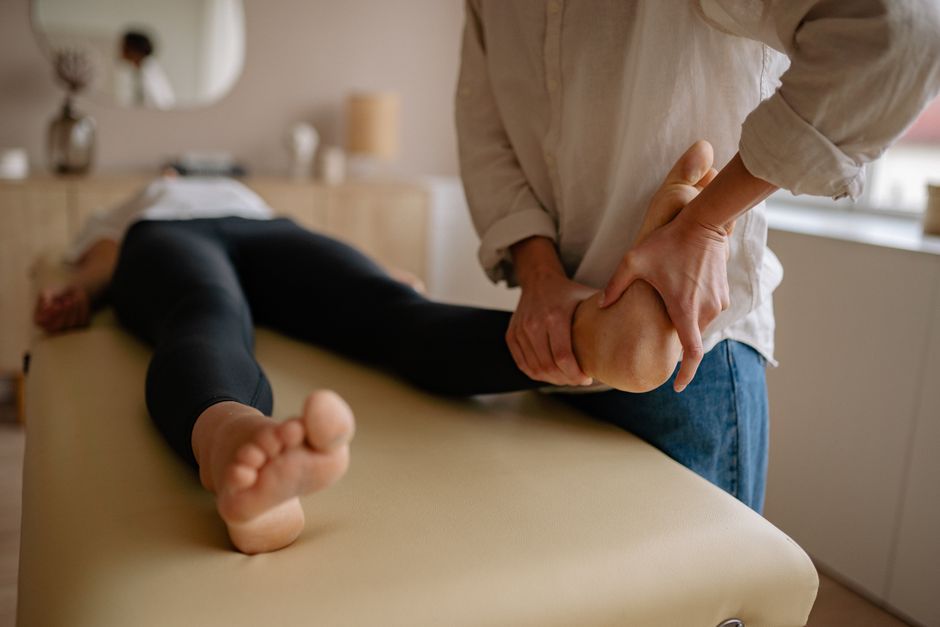
Use slow, firm strokes over the calf, shin, and thigh. This is not deep tissue work. Light to moderate pressure is enough. Many children find the touch itself soothing, separate from any physical effect on the muscle.
Step 3: Stretch Lightly
A gentle stretch of the calf and hamstring can help some children. Have them lie on their back and slowly flex and point the foot a few times. Do not push into pain. Stretching is a comfort measure here, not a treatment with strong evidence behind it.
Step 4: Offer a Children’s Pain Reliever If Needed
For pain that is keeping a child awake, acetaminophen or ibuprofen can help. The dose depends on the child’s weight, not their age, so follow the label or your pediatrician’s instructions exactly. Do not give ibuprofen to a child who is dehydrated, vomiting, or has kidney problems without checking with a doctor first. Never give aspirin to a child or teenager.
Pain relievers are for occasional bad nights, not a nightly routine.
Step 5: Comfort and Reassure
A calm parent, a favorite blanket, and a quiet room do a surprising amount of work. Anxiety amplifies pain in children, and a child who is scared will feel the ache more sharply. Reassurance is not just kindness — it changes how the pain is experienced.
Step 6: Keep Activity Normal
Children with growing pains should keep playing, running, and doing sports. There is no reason to restrict activity, and resting the legs does not prevent future episodes. If a child seems to be in pain during activity rather than after it, that points to a different problem and deserves a doctor’s review.





What Does Not Help Growing Pains?
Several products are marketed for growing pains. Most have no evidence behind them.
- Calcium or magnesium supplements — no clinical evidence confirms these reduce growing pains in children without a diagnosed deficiency
- Growth hormone or “growth support” formulas — growing pains are not caused by a growth problem, so these do not address the cause
- Special insoles or orthotics — no strong evidence supports these for growing pains specifically
- Weighted blankets marketed for pain — some children find them calming, but they are not a proven treatment for leg pain
If a supplement or device claims to “fix” growing pains, treat that claim with suspicion. Growing pains resolve on their own over time regardless of what is used.
When Should You Call the Doctor?
Call a doctor if any of the following appear. These are red flags that the pain may not be growing pains.
- Pain in only one leg
- Swelling, redness, or warmth in the leg or joint
- Fever, rash, or unexplained weight loss
- A limp or refusal to walk
- Pain that is present in the morning or lasts all day
- Pain that is getting worse over weeks rather than coming and going
- Pain that wakes the child every night
- Tenderness when you press on a specific spot
None of these are meant to alarm you. Most leg pain in children is not serious. But these signs separate the ordinary from the unusual, and a doctor can tell the difference.
How Long Do Growing Pains Last?
Growing pains come and go in episodes. A child might have several bad nights in a row, then nothing for weeks or months. Most children outgrow them by their early teens.
The pattern matters more than any single episode. Pain that follows the classic pattern — both legs, evening, gone by morning — is expected to fade with time. Pain that breaks the pattern is worth investigating, even if it seems mild.
There is no treatment that shortens the overall course. The steps above manage individual episodes. Time does the rest.
Frequently Asked Questions
Do growing pains actually mean my child is growing?
No. The name is a historical label, and research has not confirmed that bone growth causes the pain. The aches are real, but they are not a sign that growth itself is hurting the legs.
Should I give my child pain medicine every night for growing pains?
No. Pain relievers are for occasional nights when pain keeps a child awake. If a child needs medicine most nights, that pattern should be evaluated by a doctor.
Can growing pains cause a limp?
No. A limp is not part of the growing pains pattern and should always be checked by a doctor. Growing pains do not change how a child walks.
At what age do growing pains stop?
Most children stop having them by their early teens. The episodes tend to become less frequent over time, though there is no fixed age when they end for every child.
