
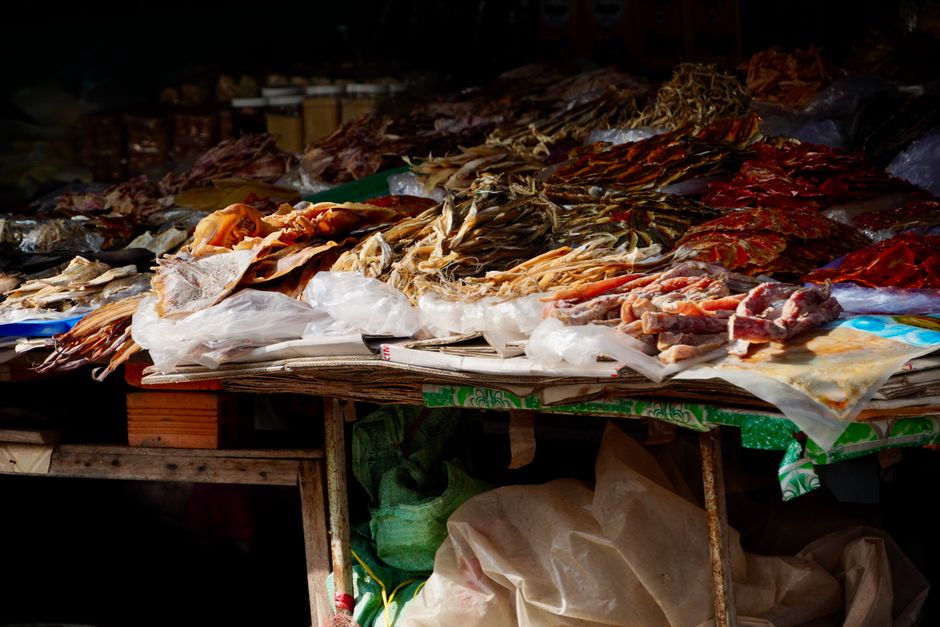
Mold on jerky almost always comes down to one thing: moisture left inside the meat. If jerky is dried thoroughly, cooled completely, and stored in an airtight container away from humidity, it can last for weeks or even months without spoiling. The problem starts when a piece still holds enough water to let mold grow.
Jerky is a dried meat product, not a sterile one. Even properly dried jerky can pick up mold spores from the air, your hands, or a damp storage spot. The fix is not a single trick. It is a chain of steps — dry it enough, cool it fully, store it dry, and watch it over time.
Why Does Jerky Mold In The First Place?
Mold needs moisture to grow, and jerky can hold hidden moisture even when the surface feels dry. That is the core issue most people miss.
Drying removes water, which is what spoils meat. When enough water is gone, the environment inside the meat becomes hostile to mold, bacteria, and yeast. But drying is rarely perfectly even. A thick piece, a chewy center, or meat that was cut unevenly can stay damp inside while the outside looks and feels done.
Mold spores are everywhere — in the air, on surfaces, on your hands. They land on jerky during handling and storage. If the jerky is dry enough, those spores cannot grow. If there is moisture, they can.
Temperature and humidity during storage matter too. A sealed bag kept in a humid kitchen or a warm cupboard gives any surviving spores a better chance. This is why the same recipe can last months for one person and grow fuzz in a week for another. The jerky was not the same in both cases, even if the recipe was.
How Dry Does Jerky Need To Be?
Jerky is dry enough when it bends and cracks instead of snapping or feeling soft. A piece that bends without breaking usually still has too much moisture inside.
The standard test is simple. Take a cooled piece and bend it. Properly dried jerky should crack or snap when bent sharply, with no soft or spongy feel in the center. If it bends like a leather strap and springs back, it needs more drying time.
There is also a more precise measure. Water activity is the scientific term for how much water is available for mold and bacteria to use. Commercial jerky makers test for it because it is the real predictor of shelf life. Most home cooks do not have a water activity meter, which is why the bend test matters so much. It is a practical stand-in for a lab measurement.
One useful clarification: jerky that is too dry is not ruined. It is just tougher. Chewy jerky that never quite dries is the risky kind. When in doubt, dry it longer. A little extra time in a dehydrator or oven is far safer than pulling it early.
Drying Tips That Actually Prevent Mold
Even drying is what keeps jerky from molding. Uneven drying leaves damp pockets that mold finds first.
- Cut meat evenly. Aim for strips of similar thickness so everything dries at the same rate. Thin edges dry fast; thick centers lag behind.
- Trim fat. Fat does not dry out the way lean meat does, and it can turn rancid over time. Lean cuts store better.
- Do not overcrowd. Meat needs airflow on all sides. Layered or touching pieces trap moisture and dry unevenly.
- Keep the temperature steady. Follow your dehydrator or oven’s guidance for meat jerky. Fluctuating heat leads to uneven results.
- Rotate trays. If your dehydrator has hot spots, rotate trays partway through so every piece gets similar exposure.
- Test more than one piece. Check pieces from different trays and different thicknesses before calling it done.
Marinades and liquid seasonings add moisture, so meat that sat in a wet marinade may need longer drying than the recipe suggests. That extra time is not optional if you want it to keep.




Should You Cool Jerky Before Storing It?
Yes. Jerky must cool completely before it goes into any container. Warm jerky creates condensation, and condensation is moisture.
When warm jerky is sealed in a bag or jar, the trapped heat turns into water droplets on the inside of the container. Those droplets sit against the meat and give mold a starting point. This is one of the most common reasons home-dried jerky molds even when it was dried well.
Let jerky cool on a rack or tray at room temperature until it is fully cool to the touch. Do not speed this up by sealing it early. Patience here is what protects the whole batch.
How Should You Store Jerky To Keep It From Molding?
Store jerky in an airtight container in a cool, dry, dark place. Moisture and heat are the two things that let mold grow.
Glass jars with tight lids, vacuum-sealed bags, and quality resealable bags all work. The key is that air and moisture stay out. A container that lets humid air in over time will eventually let mold in too.
Keep jerky away from humid spots. A cupboard above a stove, a spot near a dishwasher, or a shelf in a damp basement are all poor choices. A cool pantry is better. Some people refrigerate or freeze jerky for longer storage, which slows spoilage and mold growth. That is a reasonable option, especially for larger batches.
If you refrigerate or freeze jerky, watch for moisture when it comes back to room temperature. Condensation can form on cold jerky as it warms. Let it come to room temperature inside its sealed container so any moisture forms on the container, not the meat.
How Long Does Homemade Jerky Last?
Properly dried and stored homemade jerky can keep for several weeks at room temperature, and longer if refrigerated or frozen. The exact time depends on how dry it is and how it is stored.
There is no single number that fits every batch. A very dry, lean batch in an airtight jar in a cool pantry will outlast a chewier batch in a warm, humid kitchen. This is why the storage conditions matter as much as the drying.
Commercially packaged jerky often lists a best-by date because it is made and tested to consistent standards, sometimes with added preservatives. Homemade jerky has no such testing. Treat any homemade batch as something to check regularly rather than assume it is safe indefinitely.
What Should You Do If You Find Mold On Jerky?
Throw the whole batch away. Do not cut off the moldy piece and eat the rest.
This surprises people, but mold is not only on the surface you can see. Mold grows in threads that can extend into the food, and it can produce invisible byproducts. Removing the visible fuzz does not remove the problem. For a dried meat product, the safe choice is to discard it.
If you find mold, also think about why it happened. Was the jerky fully dry? Did it cool completely? Was the container truly airtight? Was the storage spot humid? Answering those questions will help the next batch last longer.
Does Salt Or Curing Prevent Mold?
Salt and curing help, but they do not make jerky mold-proof. They reduce the moisture available to microbes, which slows spoilage, but they are not a substitute for proper drying.
Curing salts used in some jerky recipes are designed to control specific bacteria, and they are common in commercial and traditional meat preservation. They are not a guarantee against mold, especially if the jerky is stored damp. Salt draws out moisture, but if the meat is not dried enough afterward, that moisture is still there.
The honest position: salt and curing are supportive, not sufficient. Drying and storage do the heavy lifting.
Common Mistakes That Lead To Moldy Jerky
Most mold problems trace back to a handful of avoidable errors.
- Pulling jerky out of the dehydrator while the center is still soft.
- Sealing jerky before it has cooled completely.
- Storing in a container that is not truly airtight.
- Keeping jerky in a warm or humid spot.
- Handling jerky with damp or dirty hands.
- Assuming a recipe’s drying time is right for your thickness of meat.
None of these are exotic. They are ordinary shortcuts, and each one gives mold an opening. Fixing them is mostly about slowing down and checking your work.
Frequently Asked Questions
How do I know if my jerky is dry enough to store?
Bend a cooled piece sharply — it should crack or snap, not bend softly. If the center feels spongy, it needs more drying time before storage.
Can I just cut the mold off jerky and eat the rest?
No. Mold can grow threads and byproducts into the food beyond what you can see, so the safe choice is to discard the whole batch.
Does freezing jerky stop it from molding?
Freezing slows mold growth and spoilage, so it is a reasonable option for longer storage. Let frozen jerky thaw inside its sealed container to limit condensation on the meat.
Why did my jerky mold even though I dried it well?
The most common causes are sealing it before it cooled, storing it in a humid spot, or using a container that is not truly airtight. Any of these can let moisture reach the meat.
