
You cannot make oxygen at home the way a chemical plant does, and no home method produces medical-grade oxygen that is safe to breathe as therapy. The only safe way to give oxygen at home is with a doctor’s prescription, a concentrator or tank supplied by a medical equipment company, and clear instructions on flow rate and use. Anything sold as a “DIY oxygen maker” or “oxygen booster” for patients is not a real oxygen supply and can waste time when someone is genuinely short of breath.
This matters because oxygen is a prescription drug, not a supplement. Too little can leave the body starved of oxygen. Too much can injure the lungs and, in people with certain lung diseases, slow their breathing dangerously. The line between helpful and harmful is narrow, which is why this is not a do-it-yourself project.
What Is Medical Oxygen And Why Can’t You Make It At Home?
Medical oxygen is a purified gas, typically at least 99% oxygen, produced and tested under strict rules. It is treated as a drug by regulators because the dose, purity, and delivery all affect whether it helps or harms.
Home oxygen equipment does not “make” oxygen from nothing. Oxygen concentrators pull oxygen out of the surrounding air. Room air is only about 21% oxygen. A concentrator filters out nitrogen and other gases to deliver a higher concentration to the patient through a tube or mask. That is a separation process, not a chemical creation, and it requires a machine built and tested for that job.
You cannot safely reproduce this with household items. Common internet ideas include:
- Running a fan or opening windows to “increase oxygen” — this only moves air around; it does not raise oxygen concentration.
- Buying canned “oxygen” — these are mostly recreational and not a medical supply.
- Using hydrogen peroxide, bleach, or other chemicals to release oxygen — these are dangerous and can cause serious injury if inhaled.
- Making oxygen from water using electrolysis — this produces a mix of gases, can be explosive, and does not create a sterile, medical-grade supply.
None of these are safe or effective for a patient who needs oxygen therapy.
How Do You Get Oxygen At Home Safely For A Patient?
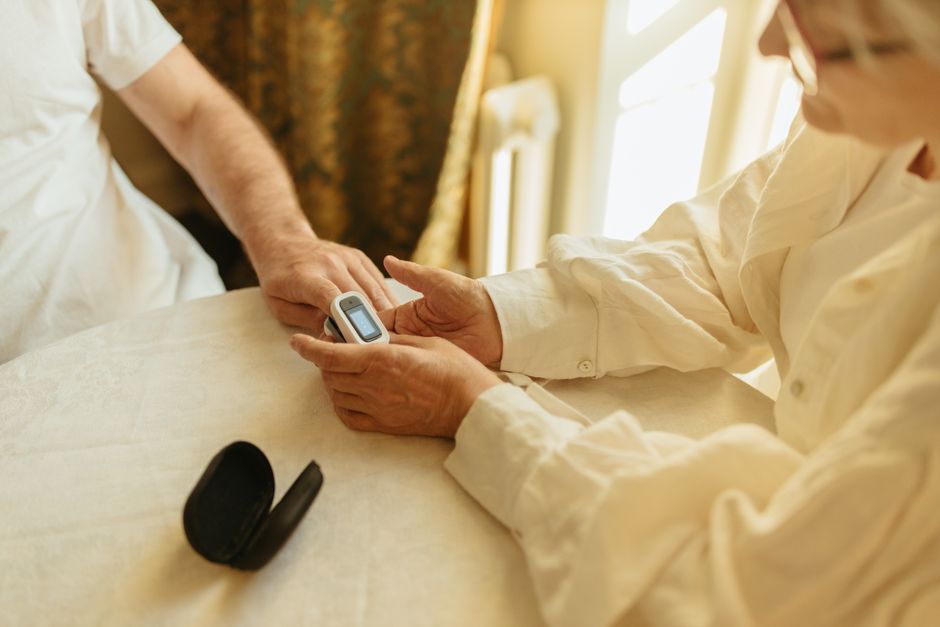
Home oxygen starts with a medical evaluation. A doctor measures the oxygen level in the blood, usually with a small clip on the finger called a pulse oximeter, and sometimes with a blood test. If levels are low enough, the doctor writes a prescription that states how much oxygen to use and when.
The prescription matters. It specifies the flow rate in liters per minute and whether oxygen is needed all the time, only at night, or only during activity. Using more or less than prescribed can be harmful.
The equipment is then supplied by a home medical equipment company. The main options are:
- Oxygen concentrator: An electric machine that pulls oxygen from room air. It plugs into a wall outlet and needs regular filter cleaning.
- Compressed gas tanks: Stored oxygen in metal cylinders. They run out and must be refilled or replaced.
- Liquid oxygen: Oxygen cooled to a liquid, stored in a container. It takes up less space but must be handled carefully because of the extreme cold.
- Portable concentrators: Battery-powered units for moving around. Not all patients qualify for these, and output varies by model.
A respiratory therapist or nurse usually shows the patient and family how to use the equipment, how to clean it, and what to do in an emergency. Follow those instructions exactly.
What Are The Real Risks Of Doing This Yourself?
Oxygen supports fire. Materials that would normally smolder can burst into flame in an oxygen-rich environment. This is a genuine danger, not a minor caution. People on home oxygen and anyone near them should not smoke, and the equipment should be kept away from open flames, heaters, and anything that sparks.
There is also the risk of using the wrong amount. In some people with long-term lung disease, especially chronic obstructive pulmonary disease, breathing too much oxygen can reduce the drive to breathe and cause carbon dioxide to build up. This is a real clinical concern and one reason oxygen is dosed by prescription.
Beyond the physical risks, a homemade setup can delay real treatment. If a patient is struggling to breathe, the priority is to get medical help — not to build something at home.
What Should You Do If A Patient Is Short Of Breath?
Shortness of breath can be a medical emergency. If someone is gasping, cannot speak in full sentences, has blue lips or fingertips, is confused, or is getting worse quickly, call emergency services right away. Do not wait and do not try to improvise oxygen.
For a patient already prescribed home oxygen, the plan is usually written down. Common steps include:
- Check that the equipment is on and set to the prescribed flow rate.
- Check that the tubing is not kinked, disconnected, or blocked.
- Check the oxygen level if a pulse oximeter is available, and follow the doctor’s guidance on what to do.
- If symptoms do not improve or get worse, seek emergency care.
If a patient is not already on oxygen and is short of breath, that is a reason to see a doctor, not to start oxygen on your own.
Can You Raise Your Oxygen Level Naturally?
You cannot raise the oxygen concentration of your blood by breathing harder or sitting near a fan. What you can do is support the lungs and circulation that carry oxygen. Some steps that may help in general:
- Treat the underlying condition, such as asthma, infection, or heart problems, with medical care.
- Stay active within your limits, since movement supports circulation and lung function over time.
- Avoid smoking and secondhand smoke, which damage the lungs.
- Follow any breathing exercises a doctor or therapist has recommended.
These support overall lung health. They are not a substitute for prescribed oxygen when a doctor has said it is needed.
What About Oxygen Bars, Canned Oxygen, And Supplements?
Oxygen bars and canned oxygen are marketed for a quick “boost,” but there is no strong evidence they raise blood oxygen in healthy people or improve performance. The evidence is limited, and in healthy people blood oxygen is already near full. Breathing extra oxygen when your levels are normal does not add benefit.
Oral “oxygen supplements” — drops or powders you swallow — do not deliver oxygen to your blood. Oxygen enters the body through the lungs, not the stomach. These products are marketing, not medicine.
How To Make Oxygen At Home For Patients Safely: The Bottom Line
There is no safe home recipe for medical oxygen. The safe path is a doctor’s evaluation, a prescription, and equipment from a licensed supplier. A concentrator or tank, used exactly as directed, is the only reliable way to give a patient oxygen at home.
If you are caring for someone who needs oxygen, focus on three things: keep the equipment working, follow the prescribed flow rate, and keep the area free of fire risks. When in doubt, call the equipment company or the doctor. And if a patient is in distress, call emergency services first.
Frequently Asked Questions
Can I make medical oxygen at home?
No, you cannot safely make medical-grade oxygen at home. Home oxygen is a prescription therapy delivered by a concentrator or tank supplied by a licensed medical equipment company.
Is a home oxygen concentrator the same as making oxygen?
No, a concentrator separates oxygen from the surrounding air rather than creating it. It filters out other gases to deliver a higher oxygen concentration, and it must be prescribed and set to a specific flow rate.
Is too much oxygen dangerous?
Yes, breathing more oxygen than prescribed can be harmful. In some people with long-term lung disease, too much oxygen can reduce the drive to breathe, so the flow rate must follow a doctor’s instructions.
What should I do if a patient is struggling to breathe?
Call emergency services right away if someone is gasping, confused, has blue lips, or is getting worse. If the patient is already on home oxygen, check that the equipment is on and set correctly while you wait for help.
