
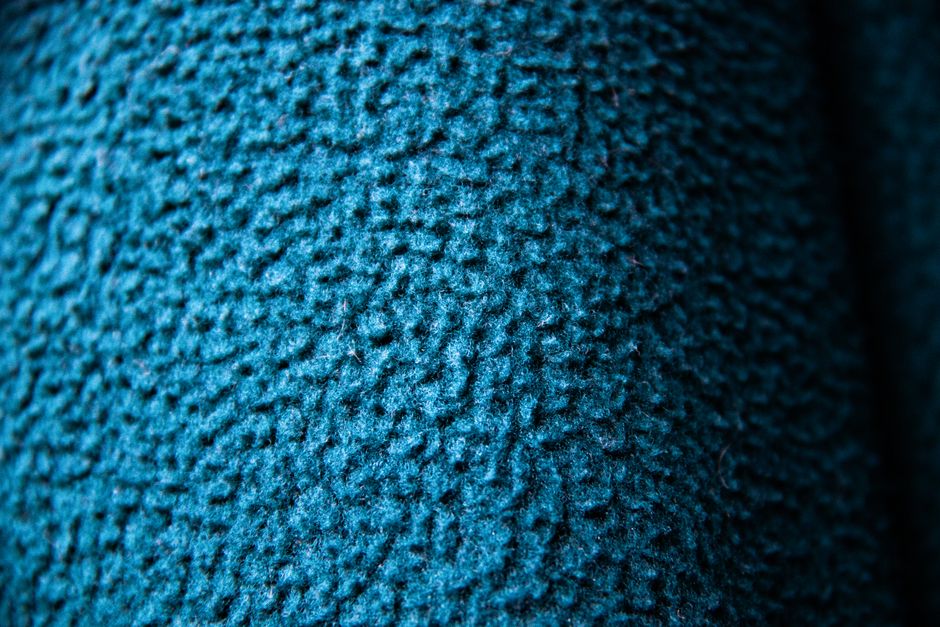
Fleece pilling happens when loose fibers on the surface tangle into small balls. You cannot stop it completely, but you can slow it down a lot by washing inside out, using cold water, and skipping the dryer. The way you wash, dry, and wear fleece matters more than the brand or price.
Why Does Fleece Pill in the First Place?
Fleece is made from knitted synthetic fibers, usually polyester. The fibers are short and loosely twisted. When they rub against fabric, skin, or a seatbelt, the loose ends pull up and tangle into pills.
This is not a defect. It is physics. Friction pulls at the surface, and the fiber structure allows those pulled fibers to ball up. Every fleece will pill eventually, but some pill faster than others.
Higher-quality fleece uses longer, tighter fibers that resist pilling longer. Cheaper fleece often has shorter fibers that break loose quickly. But even expensive fleece will pill if you wash it wrong.
How To Keep Fleece From Pilling Wash Dry Wear Right?
The single most effective step is turning the garment inside out before washing. This protects the outer surface from rubbing against other clothes in the drum. The inside of the fleece takes the friction instead.
Use cold water. Hot water weakens synthetic fibers and makes them more likely to break and pill. Cold water cleans fleece perfectly well for everyday wear.
Skip the dryer whenever possible. Air drying is the gentlest option. If you must use a dryer, use the lowest heat setting and remove the fleece while it is still slightly damp. Heat damages synthetic fibers over time, making them brittle and more prone to pilling.
Wash fleece with similar fabrics. Heavy items like jeans or towels create more friction. Denim zippers and rough towel loops scrape against the fleece surface and pull up fibers. Wash fleece with other soft, lightweight items.
What Laundry Detergent Should You Use on Fleece?
Standard liquid detergent is fine. Powdered detergents can leave residue that makes fleece feel stiff and can increase friction between fibers.
Avoid fabric softener. This is important. Fabric softener coats synthetic fibers with a waxy layer that traps loose fibers against the surface. That trapped layer increases pilling. It also reduces the water-repellent finish on technical fleece.
Bleach is never appropriate for fleece. Chlorine bleach damages polyester fibers permanently. Oxygen bleach is gentler but still unnecessary for routine washing.
If your fleece has a strong odor, a cup of white vinegar in the rinse cycle can help. Vinegar is acidic and breaks down odor-causing residues without coating the fibers. The vinegar smell disappears as the garment dries.



Does Wearing Fleece Cause Pilling Faster?
Yes. The way you wear fleece affects how quickly it pills. Constant rubbing against rough surfaces is the main trigger.
Backpacks and shoulder bags are common culprits. The straps rub against the chest and shoulders all day. Seatbelts create friction across the torso. Even resting your arms on a desk while wearing fleece creates repeated rubbing at the elbows and forearms.
You do not need to change how you live. But you can be aware that high-friction activities will accelerate pilling. If you wear fleece for hiking with a backpack, expect more pilling on the shoulders and chest than if you wear it only around the house.
Layering matters too. Fleece worn under a rough jacket or over a coarse sweater will pill faster than fleece worn over a smooth cotton t-shirt. Smooth layers reduce friction.
How To Remove Pills From Fleece Without Damaging It
Pills are not permanent damage. You can remove them and restore a smoother surface. The key is using the right tool.
A fabric shaver is the most effective option. These small devices have rotating blades that shave off pills without cutting the fabric underneath. Use light pressure and move in one direction. Heavy pressure can cut the fleece itself.
A sweater comb works well too. These are small combs with fine teeth that catch and pull pills off the surface. They take longer than a shaver but give you more control.
Do not use a razor blade. This is a common internet hack, but it is risky. One wrong angle cuts a groove into the fleece that is permanent.
Lint rollers do not work for pilling. They only pick up loose dust and hair, not tangled fiber balls that are still attached to the garment.
After shaving, the fleece may look slightly thinner in that area. This is normal. The pills were made of fibers that had already broken loose.
Does Fabric Type Matter for Pilling?
Yes, but not in the way most people expect. The label says “fleece” but the actual construction varies widely.
Polyester fleece is the most common and the most pill-resistant of the fleece types. It is what most outdoor brands use. It holds up well to repeated washing when cared for properly.
Cotton fleece, sometimes called French terry or sweatshirt fleece, pills more than polyester. Cotton fibers are shorter and break more easily. This is why cotton sweatshirts develop pills on the elbows and cuffs faster than polyester fleece jackets.
Blends of polyester and cotton sit in between. The higher the polyester content, the more pill-resistant the fabric tends to be. Check the care label for fiber percentages.
Merino wool fleece is different. Wool fibers have a natural scale structure that resists pilling better than cotton but worse than polyester. Wool pills most in high-friction areas like the underarms and sides where the arms rub against the torso.
Can You Fix Fleece That Is Already Pilling Badly?
Yes, if the pills are surface-level. Use a fabric shaver to remove the pills, then wash the fleece inside out in cold water and air dry. This restores a reasonably smooth surface.
If the fleece has developed bald patches or thin spots, those areas cannot be repaired. The fibers are gone. Shaving will only make the thin spots more noticeable.
If the fleece has lost its softness and feels rough even after shaving and washing, the fibers have degraded from heat damage or repeated friction. At that point, the garment is at the end of its useful life. Replacing it is the practical option.
Does Washing Fleece Less Often Help?
Yes. Every wash cycle creates some fiber stress, even with gentle care. Washing less frequently reduces cumulative damage.
Fleece does not need washing after every wear. If you wore it for a few hours around the house and it is not visibly dirty or smelly, hang it up and wear it again. This is not lazy. It is genuinely better for the fabric.
Spot cleaning is a good middle ground. A damp cloth with a drop of mild detergent can remove small stains without a full wash cycle. Rinse the area with a clean damp cloth and let it air dry.
When you do wash fleece, wash it alone or with a small load. A packed machine creates more friction because clothes press against each other tightly. A looser load lets water and detergent move freely between items.
Is There a Way To Make Fleece Never Pill?
No. There is no treatment, wash method, or product that completely prevents pilling. Pilling is inherent to how fleece is made. Loose fibers exist in the fabric structure from the moment it is manufactured.
Some brands apply anti-pilling finishes during manufacturing. These coatings help reduce pilling in the first few washes but wear off over time. Once the finish is gone, the fleece behaves like any other fleece.
The honest answer is that pilling is a cosmetic issue, not a functional one. A pilled fleece still keeps you warm. It still repels light moisture. It just looks worn.
If appearance matters to you, buy higher-quality fleece, wash it inside out in cold water, air dry it, and remove pills with a fabric shaver when they appear. That combination gives you the longest possible lifespan for the fabric.
Frequently Asked Questions
Does washing fleece in cold water prevent pilling?
Yes, cold water is gentler on synthetic fibers than hot water. Hot water weakens the fibers and makes them more likely to break and form pills.
Can you put fleece in the dryer?
Yes, but use the lowest heat setting and remove it while slightly damp. Air drying is gentler and extends the life of the fabric.
Does fabric softener make fleece pill more?
Yes. Fabric softener coats synthetic fibers with a waxy layer that traps loose fibers against the surface, increasing pilling.
What is the best tool to remove pills from fleece?
A fabric shaver is the most effective and safest option. Sweater combs work too but take longer. Do not use a razor blade.
