
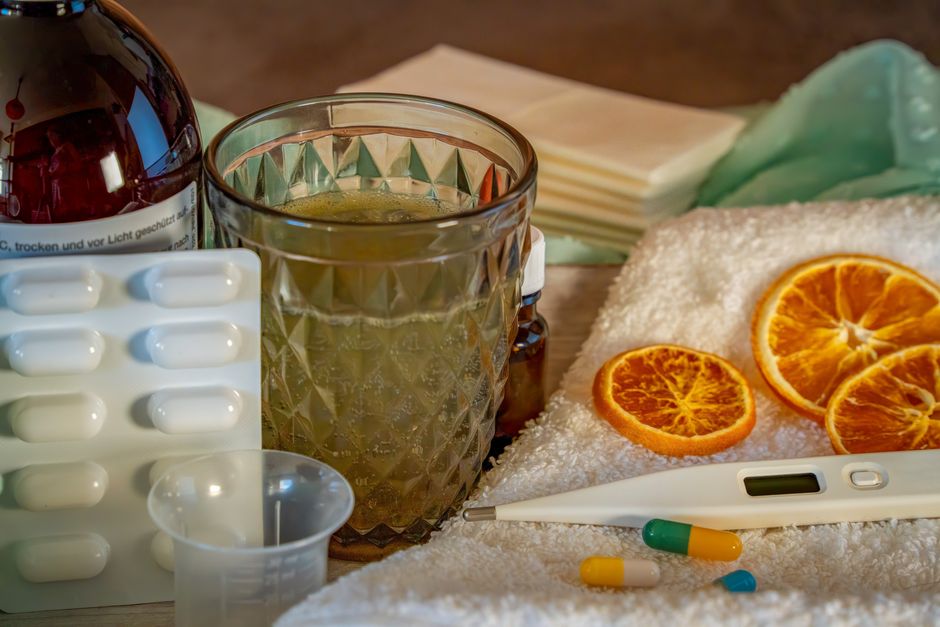
High ferritin levels mean your body is storing more iron than it needs. This can happen for several reasons, including genetics, repeated blood transfusions, or conditions like liver disease. The most reliable way to reduce ferritin is through medical treatment, specifically therapeutic phlebotomy, which is the removal of blood. Dietary changes play a supporting role but cannot replace medical treatment for significantly elevated levels. This article explains the medical methods your doctor may use and the dietary adjustments that can help manage your iron stores.
What Is Ferritin and Why Do Levels Get Too High?
Ferritin is a protein that stores iron inside your cells. It releases iron when your body needs it. A normal ferritin level varies by lab, but generally falls between 20 and 300 ng/mL for men and 20 to 200 ng/mL for women. Levels above this range suggest iron overload, though your doctor will interpret the number in context with other tests.
Iron overload happens when your body absorbs more iron than it loses. Unlike some nutrients, your body has no efficient way to excrete excess iron. Over time, stored iron builds up in organs like the liver, heart, and pancreas, where it can cause damage.
The most common cause of high ferritin is a genetic condition called hereditary hemochromatosis. Other causes include frequent blood transfusions, hepatitis, alcohol-related liver disease, and metabolic syndrome. Sometimes, high ferritin is a sign of inflammation rather than true iron overload. Your doctor will check your transferrin saturation to tell the difference.
How To Reduce Ferritin Levels Medical Dietary Methods: The Medical Approach
Medical treatment is the primary way to lower ferritin when levels are dangerously high. The most common method is therapeutic phlebotomy. This is basically donating blood, but it is done on a schedule prescribed by your doctor. Each unit of blood removed takes about 200 to 250 mg of iron with it.
At the start of treatment, you may need phlebotomy once or twice a week. The goal is to bring your ferritin down to a target level, usually between 50 and 100 ng/mL. Once your ferritin reaches that range, the frequency drops to maintenance, often every two to four months.
Your doctor will monitor your ferritin and hemoglobin closely during this process. They will also watch your iron saturation. The schedule is tailored to you based on your starting ferritin, your hemoglobin, and how quickly your levels drop.
For people who cannot tolerate phlebotomy, doctors may prescribe iron chelation therapy. These are medications that bind to iron in your bloodstream and help your body excrete it through urine or stool. Chelation is more common for people with anemia-related iron overload, such as those with thalassemia, than for hereditary hemochromatosis. It is a serious medication with side effects, so it is reserved for specific cases.
Why Dietary Changes Alone Are Not Enough
Dietary changes can slow the buildup of iron, but they cannot remove iron that is already stored in your body. Your body loses only about 1 mg of iron per day through normal shedding of skin and intestinal cells. For someone with iron overload, that is a tiny fraction of what needs to be removed.
Consider a typical person with hereditary hemochromatosis who absorbs 4 to 5 mg of iron per day instead of the normal 1 to 2 mg. Food choices alone cannot offset that difference. Even a very strict low-iron diet would only reduce absorption by a small amount. This is why phlebotomy remains the standard of care.
That said, diet matters. If you are actively lowering your ferritin through phlebotomy, dietary changes can help prevent your levels from climbing back up between sessions. They are a complement to medical treatment, not a replacement.




Dietary Changes That Can Help Lower Iron Absorption
Several dietary strategies can reduce how much iron your body absorbs from food. These are worth doing, but understand their limits.
Limit heme iron sources. Heme iron comes from animal products like red meat, liver, and organ meats. Your body absorbs heme iron much more efficiently than plant-based iron. Reducing red meat and avoiding liver is one of the most effective dietary changes for iron overload.
Be mindful of vitamin C. Vitamin C dramatically increases iron absorption. If you eat a meal high in iron, pairing it with vitamin C-rich foods like oranges, tomatoes, or bell peppers will boost how much iron you absorb. You do not need to eliminate vitamin C entirely, but avoid taking vitamin C supplements with meals that contain iron.
Drink tea or coffee with meals. Tannins in tea and coffee bind to iron and reduce its absorption. Studies have shown that drinking tea with a meal can reduce iron absorption by up to 60 percent. Coffee has a similar effect, though slightly weaker. This is a simple, evidence-based strategy.
Increase calcium intake at mealtimes. Calcium inhibits both heme and non-heme iron absorption. Eating dairy products, or taking a calcium supplement with your meal, can reduce how much iron you absorb. The effect is strongest when calcium is consumed at the same time as the iron-containing food.
Foods to Avoid and Foods That Help
Some foods are particularly high in iron and should be limited or avoided if your ferritin is elevated.
Foods high in iron to limit:
- Red meat, especially beef and lamb
- Liver and organ meats
- Iron-fortified cereals and breads
- Shellfish like oysters and mussels
- Dried beans and lentils, though these contain non-heme iron which is less absorbable
Foods that may help reduce iron absorption:
- Tea and coffee
- Dairy products like milk, yogurt, and cheese
- Foods high in phytates, such as whole grains, nuts, and seeds
- Foods high in oxalates, such as spinach and Swiss chard
- Eggs, which contain phosvitin that binds iron
Phytates and oxalates are plant compounds that bind to iron in the digestive tract and reduce its absorption. This is why plant-based iron is less absorbable than animal-based iron. Including these foods in your diet can modestly reduce your overall iron absorption.
What About Cooking Methods and Supplements?
Your cooking methods can affect iron content in food. Cooking acidic foods like tomatoes in cast iron cookware increases the iron content of the meal. If you have high ferritin, avoid cooking in cast iron or carbon steel pans. Use stainless steel, glass, or ceramic instead.
Iron supplements are a clear no for anyone with elevated ferritin. Check your multivitamins as well. Many multivitamins contain iron, and some people take them without realizing it. If you have iron overload, choose a multivitamin that is iron-free.
Vitamin C supplements are also worth reconsidering. While vitamin C is essential for health, high-dose supplements can significantly increase iron absorption. If you take vitamin C, do not take it at the same time as iron-containing meals.
Can You Donate Blood to Lower Ferritin?
Regular blood donation can help lower ferritin, but it is not the same as therapeutic phlebotomy. Blood donation centers have hemoglobin requirements that may prevent you from donating if your hemoglobin is too low. They also do not track your ferritin levels the way a doctor would during treatment.
Some people with mildly elevated ferritin are advised by their doctors to donate blood regularly as a management strategy. This can work, but you should discuss it with your physician first. Your doctor can tell you if your levels are high enough to warrant this approach and how often you should donate.
Blood donation is safe for most people, but it is not appropriate for everyone. People with certain medical conditions, or who are taking specific medications, may not be eligible to donate. Your doctor is the best person to guide this decision.
When to See a Doctor
If a blood test shows high ferritin, do not try to manage it on your own. High ferritin can indicate serious conditions that need medical evaluation. Your doctor will likely order additional tests, including a complete iron panel, liver function tests, and possibly genetic testing for hemochromatosis.
If your ferritin is only mildly elevated, your doctor may recommend repeat testing in a few months. Sometimes, levels return to normal on their own. If your ferritin is significantly elevated, treatment will likely begin sooner rather than later to prevent organ damage.
Untreated iron overload can lead to cirrhosis, liver cancer, diabetes, heart problems, and arthritis. These complications are preventable with early treatment. The key is to get your ferritin checked and follow your doctor’s advice.
Frequently Asked Questions
Can I lower my ferritin levels naturally without medical treatment?
Dietary changes alone cannot significantly lower already elevated ferritin levels. Medical treatment, usually therapeutic phlebotomy, is required to remove excess iron from your body.
How long does it take to lower ferritin levels with phlebotomy?
The timeline varies by person, but it often takes several months of regular phlebotomy to bring ferritin into a normal range. The frequency of sessions depends on your starting ferritin level and how your body responds.
Is it safe to donate blood if I have high ferritin?
Regular blood donation can help lower ferritin, but only if your doctor approves and you meet the donation center’s eligibility requirements. Discuss this approach with your physician first.
Should I avoid all iron-rich foods if my ferritin is high?
You do not need to avoid all iron-rich foods, but limiting heme iron sources like red meat and liver is wise. Pairing meals with tea, coffee, or dairy can reduce iron absorption.
