
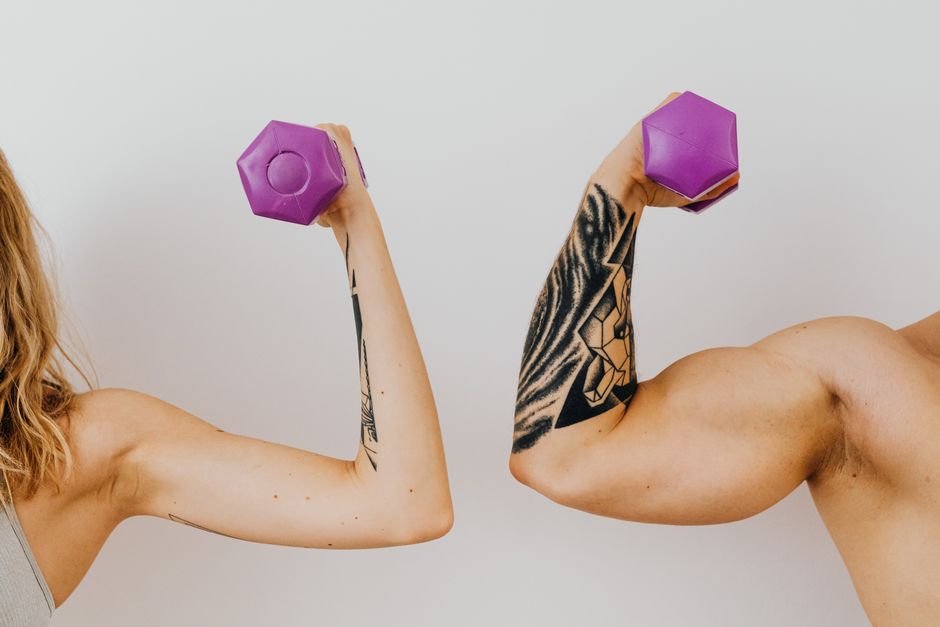
Growth hormone helps your body repair cells, build muscle, and keep your metabolism running well. You can boost it naturally by changing how you sleep, eat, and move. The most effective methods are getting deep sleep, doing high-intensity exercise, and avoiding sugar before bed.
What Is Growth Hormone and Why Does It Matter?
Human growth hormone (HGH) is a protein made by your pituitary gland. It is released in pulses throughout the day, with the largest pulse happening during deep sleep. HGH is essential for children growing taller, but it stays important for adults too. It supports muscle mass, bone density, and fat breakdown.
As you age, your natural HGH levels decline. This is normal. By age 40, your levels may be half of what they were at 20. This drop contributes to less muscle, more belly fat, and slower recovery from injury. But you can influence how much your body produces through daily habits.
Research published in the Journal of Clinical Endocrinology & Metabolism found that healthy adults can double their nighttime HGH release with simple lifestyle changes. The key is knowing what actually triggers release versus what is just internet hype.
How Does Sleep Affect Growth Hormone Production?
Sleep is the single biggest factor. Your body releases 60 to 70 percent of its daily HGH during slow-wave sleep, which happens in the first few hours of the night. If you do not reach that deep stage, you miss the main release window.
Studies show that people who sleep less than six hours have significantly lower HGH output than those who sleep seven to nine hours. One study in the journal Sleep found that just one week of five-hour nights reduced HGH pulses by 30 percent. The fix is straightforward: go to bed consistently and avoid caffeine after 2 PM.
Alcohol is a hidden problem here. Even one drink before bed reduces slow-wave sleep by 20 to 30 percent. You may fall asleep faster, but your sleep quality drops. That directly cuts your HGH release. If you want to boost growth hormone, skipping the nightcap is more effective than any supplement.
What Types of Exercise Increase Growth Hormone the Most?
High-intensity exercise is the strongest trigger. Sprinting, heavy lifting, and interval training cause large HGH spikes during and right after the workout. The key is intensity, not duration. A 20-minute sprint session can produce more HGH than an hour of jogging.
Research from the University of Virginia showed that resistance training with heavy weights and short rest periods caused HGH levels to rise 300 to 500 percent above baseline. The effect lasted about two hours after the workout. Lighter weights with long rest periods did not produce the same result.
For best results, focus on compound exercises like squats, deadlifts, and bench presses. These recruit more muscle fibers and create more metabolic stress. If you cannot do heavy lifting, high-intensity interval training on a bike or rower works almost as well. The common thread is pushing your body to a point where it feels uncomfortable for short bursts.




Does Fasting or Diet Affect Growth Hormone Levels?
Yes, but the effects are smaller than sleep and exercise. Intermittent fasting has become popular for HGH, and some research supports it. A study in the Journal of Clinical Investigation found that a 24-hour fast increased HGH levels by up to 2,000 percent in men. That sounds dramatic, but the baseline is very low during the day. The absolute increase is modest compared to a good night of sleep.
What matters more is what you eat right before bed. High-carbohydrate meals, especially those with sugar, suppress HGH release. Insulin spikes tell your body to stop producing growth hormone. Eating a heavy meal within two hours of sleep reduces your nighttime pulse by 15 to 25 percent.
Protein intake supports HGH production indirectly. Amino acids like arginine and glutamine have been studied as supplements. Some research shows they can cause a small HGH spike, but only when taken on an empty stomach before exercise. The effect is inconsistent across people and not strong enough to rely on.
Comparison of HGH-Boosting Methods
| Method | Effect Size | Time to Notice | Evidence Strength |
|---|---|---|---|
| Deep sleep (7-9 hours) | Large | 1-2 days | Strong |
| High-intensity exercise | Large | Immediate after workout | Strong |
| Intermittent fasting | Moderate | 1-2 weeks | Moderate |
| Low sugar before bed | Moderate | 1-3 days | Moderate |
| Amino acid supplements | Small | Variable | Weak |
What About Supplements and Hormone Boosters?
The supplement industry sells many products claiming to increase growth hormone. Most do not work. Products with names like “HGH releasers” or “growth hormone boosters” are usually amino acid blends that have little effect in real-world conditions. The Federal Trade Commission has fined several companies for making false claims about HGH supplements.
Melatonin is one supplement that has some support. A study in the Journal of Pineal Research found that taking 5 mg of melatonin before bed increased HGH release during sleep. But this only works if you already have low melatonin levels. For most people, the effect is small and not worth relying on.
Creatine is another supplement that indirectly supports HGH. It helps you train harder, which triggers more HGH release during workouts. The effect comes from the exercise itself, not the creatine directly. Same for caffeine taken before a workout. It can boost performance and therefore increase the HGH response, but caffeine alone does not raise levels.
Are There Risks to Trying to Increase Growth Hormone?
Most natural methods are safe. Sleep, exercise, and diet changes carry minimal risk. The danger comes from chasing extreme results. Some people try very long fasts or extreme training programs that can backfire. Fasting for more than 48 hours can cause muscle breakdown and stress hormone spikes that actually lower HGH over time.
The bigger risk is buying illegal HGH injections or secretagogues. These are prescription-only in the US and are not approved for anti-aging or fitness purposes. Side effects include joint pain, carpal tunnel syndrome, insulin resistance, and increased cancer risk. The CDC has warned against using HGH without a medical need.
If you have a diagnosed growth hormone deficiency, your doctor may prescribe it. That is a different situation. For healthy adults, the natural methods described here are the safest and most effective path. No shortcut is worth the health risks.
Common Misconceptions About Growth Hormone
One widespread myth is that you can target belly fat with HGH. Growth hormone does help break down fat, but it does not spot-reduce. Any fat loss from increased HGH happens all over your body. The idea that HGH injections melt belly fat specifically comes from overhyped marketing.
Another myth is that HGH supplements can make you look younger. While HGH does affect skin thickness and muscle mass, the changes from natural methods are subtle. You will not reverse aging. The dramatic before-and-after photos you see online are usually from illegal injections or photo editing.
Many people also think that growth hormone works like a steroid for building muscle. It does not. HGH supports recovery and metabolism, but it is not a direct muscle builder. The muscle growth people experience from exercise is from the workout itself, not the HGH spike. Do not expect huge changes from fixing your sleep alone.
Frequently Asked Questions
How long does it take to increase growth hormone naturally?
You can see changes in your nighttime HGH pulse within one to two nights of improving sleep. Exercise produces an immediate spike that lasts a few hours.
Can growth hormone help with weight loss?
Growth hormone helps break down stored fat for energy, but the effect is modest. Exercise and diet changes are far more effective for weight loss than trying to boost HGH alone.
Does cold exposure increase growth hormone?
Some studies show that cold water immersion can cause a temporary HGH spike. The effect is small and inconsistent. It is not a reliable method compared to sleep and exercise.
Is it safe to take HGH supplements from stores?
Most over-the-counter HGH supplements are ineffective and unregulated. The FDA does not approve them for increasing growth hormone. Stick to lifestyle changes instead.
