
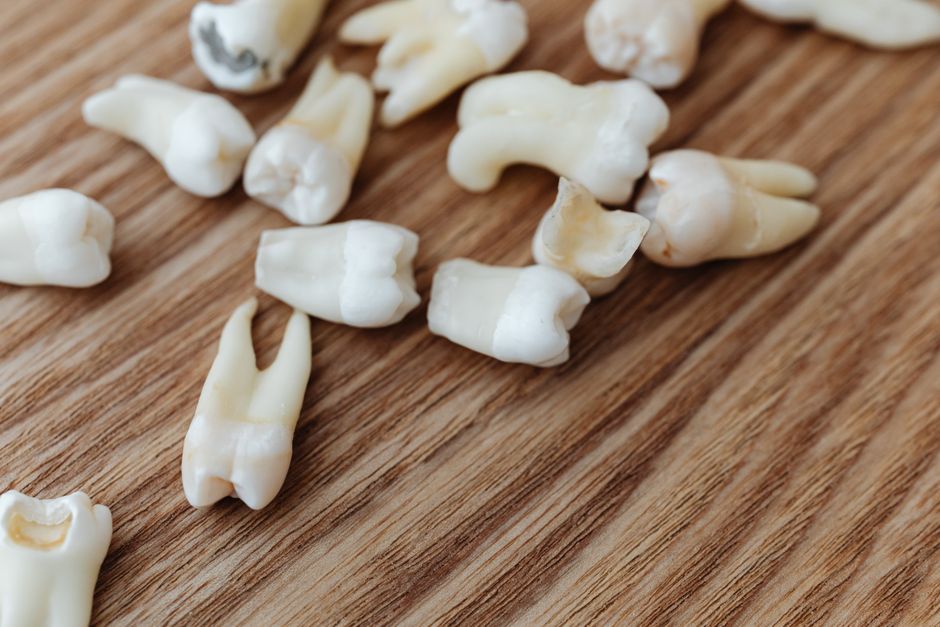
Tooth enamel is the hardest substance in the human body, yet it cannot regenerate once it is lost. You can increase the strength of existing enamel and prevent further damage through specific minerals, dietary changes, and saliva-supporting habits, but you cannot grow new enamel cells. The most effective natural strategies involve remineralization—rebuilding the mineral structure of enamel—using fluoride, calcium, and phosphate, while avoiding acidic foods and drinks that strip minerals away.
What Is Tooth Enamel and Why Does It Weaken?
Enamel is the thin outer layer of your teeth. It is made mostly of a mineral called hydroxyapatite, which is a crystalline form of calcium and phosphate. This layer protects the softer dentin underneath, which contains nerve endings.
Enamel is strong but not indestructible. It has no living cells, so it cannot heal itself like skin or bone can. Once enamel is physically worn away or dissolved, that structure is gone permanently. What you can do is remineralize the enamel that remains, making it harder and more resistant to future attacks.
Enamel weakens primarily through a process called demineralization. When acids from food, drinks, or bacteria sit on your teeth, they pull calcium and phosphate out of the enamel crystal structure. If this happens faster than your saliva can put minerals back, the enamel softens and becomes vulnerable to cavities.
How To Increase Tooth Enamel Strength Naturally
The single most effective natural approach is to support your body’s own remineralization process. Your saliva is already designed to do this. It contains calcium, phosphate, and bicarbonate, which neutralize acid and rebuild enamel. Your job is to give saliva the conditions it needs to work.
Fluoride is the most well-studied mineral for enamel strength. It works by converting hydroxyapatite into fluorapatite, which is more acid-resistant. Fluoride also slows down demineralization and speeds up remineralization. You can get fluoride from toothpaste, mouthwash, and most public water supplies in the United States.
Calcium and phosphate are the building blocks your saliva needs to rebuild enamel. When these minerals are present in your saliva at the right levels, remineralization happens naturally. Eating calcium-rich foods and using products that deliver calcium and phosphate directly to the tooth surface can help.
Avoiding acid is just as important as adding minerals. Every time you eat or drink something acidic, your enamel loses minerals for about 30 minutes while your saliva works to neutralize the acid. Frequent snacking or sipping acidic drinks keeps your teeth in a constant state of demineralization.
Which Foods and Drinks Help or Harm Enamel
Some foods actively support enamel strength. Cheese, milk, and plain yogurt are rich in calcium and casein, a protein that forms a protective film on teeth. Research has shown that cheese can raise the pH of the mouth and stimulate saliva production, which helps remineralize enamel.
Crunchy vegetables like carrots and celery require chewing, which stimulates saliva flow. Saliva is your natural defense system. More saliva means more minerals and faster acid neutralization.
Foods containing fluoride include tea, especially green and black tea, and fish eaten with their bones, such as canned sardines. Fluoride from these sources is modest compared to toothpaste, but it still contributes to overall exposure.
Certain foods harm enamel. Sugary foods feed acid-producing bacteria in your mouth. Acidic foods and drinks—citrus fruits, tomatoes, soda, sports drinks, and fruit juices—directly dissolve enamel minerals. This is not just about sugar content. Diet soda is sugar-free but still highly acidic and can erode enamel with frequent consumption.
The way you eat matters as much as what you eat. Sipping an acidic drink over two hours exposes your teeth to acid the entire time. Drinking it quickly limits exposure. Using a straw can help direct acidic drinks past your teeth.




Does Remineralizing Toothpaste Actually Work?
Remineralizing toothpastes containing hydroxyapatite or amorphous calcium phosphate have gained attention in recent years. Nano-hydroxyapatite, a synthetic form of the mineral that makes up enamel, has been used in Japan since the 1980s. Some studies suggest it can remineralize early-stage enamel lesions comparable to fluoride.
The evidence is promising but not as extensive as the evidence for fluoride. Fluoride has decades of research and public health data behind it. Nano-hydroxyapatite is a reasonable alternative for people who prefer to avoid fluoride, but you should know that the long-term evidence base is smaller.
Most dentists recommend using a toothpaste that contains fluoride at a concentration of at least 1,000 parts per million. If you choose a hydroxyapatite toothpaste instead, look for one that also contains fluoride or use it alongside a fluoride mouthwash.
It is important to understand that no toothpaste can rebuild enamel that is already gone. If you have visible pits, chips, or significant wear, toothpaste will not fix that. Those situations require dental treatment. Remineralization works on the microscopic level, repairing the earliest stages of demineralization before a cavity forms.
Other Natural Strategies That Support Enamel
Chewing sugar-free gum is one of the most effective natural strategies. Chewing stimulates saliva production by up to ten times the resting rate. Saliva then neutralizes acid and delivers calcium and phosphate to the tooth surface. Look for gum sweetened with xylitol, which also reduces the growth of cavity-causing bacteria.
Oil pulling has become popular as a natural oral health practice. This involves swishing coconut or sesame oil in your mouth for 15 to 20 minutes. Some small studies suggest it may reduce plaque and gingivitis, but no clinical evidence confirms that it strengthens enamel or remineralizes teeth. It does not replace brushing, flossing, or fluoride.
Vitamin D deserves attention because it helps your body absorb calcium. Without adequate vitamin D, the calcium you consume may not be fully utilized. Your body produces vitamin D from sun exposure, and it is also found in fatty fish, egg yolks, and fortified dairy products. Some research suggests that vitamin D deficiency is associated with a higher risk of cavities, though the exact relationship is still being studied.
Green tea contains fluoride and polyphenols that may reduce plaque bacteria. Drinking unsweetened green tea is generally good for oral health, but be aware that some commercial iced teas are heavily sweetened and acidic.
Daily Habits That Prevent Enamel Loss
Wait at least 30 minutes after eating or drinking before brushing your teeth. Acid softens enamel temporarily. Brushing while the enamel is softened can brush away minerals that would otherwise redeposit. Rinsing with water or chewing gum immediately after a meal helps neutralize acid faster.
Do not brush too hard. Aggressive brushing wears down enamel over time. Use a soft-bristled toothbrush and gentle circular motions. Many people brush as if they are scrubbing a pan, but teeth need a lighter touch.
Drink acidic beverages through a straw and follow them with plain water. This reduces contact time between acid and your teeth. Rinsing with water after coffee, wine, or citrus drinks helps wash away acid and sugar.
Treat dry mouth seriously. Saliva is your teeth’s primary defense. Many medications, including antihistamines, blood pressure medications, and antidepressants, cause dry mouth. If you have chronic dry mouth, talk to your doctor or dentist. Sugar-free lozenges, hydration, and saliva substitutes can help.
Do not use your teeth as tools. Opening packages, cracking nuts, or biting your nails can chip or fracture enamel. These physical injuries cannot be remineralized.
When to See a Dentist
Home care can strengthen enamel and prevent further damage, but it cannot reverse established cavities or repair structural damage. See a dentist if you notice tooth sensitivity to hot or cold, visible white spots on your teeth, or any visible pits or chips. White spots often indicate early demineralization, the stage where remineralization can still help.
Your dentist can apply professional fluoride treatments that are far more concentrated than anything available over the counter. They can also identify the early signs of erosion or decay that you cannot see or feel at home.
For people at high risk of cavities, dentists may recommend prescription-strength fluoride toothpaste or fluoride varnish applications. These are clinical treatments with established evidence behind them, not natural remedies.
Frequently Asked Questions
Can tooth enamel be restored once it is damaged?
No, enamel cannot regrow once it is lost because it contains no living cells. However, the early stages of demineralization can be reversed through remineralization using fluoride, calcium, and phosphate from saliva and dental products.
How long does it take to remineralize tooth enamel?
Early demineralization can reverse within weeks to months with consistent good habits. Visible improvement depends on the severity of the damage and how consistently you follow a remineralization routine.
Is nano-hydroxyapatite as effective as fluoride for enamel?
Some studies suggest nano-hydroxyapatite can remineralize early enamel lesions comparably to fluoride, but fluoride has a much larger body of long-term evidence. Both are reasonable options, and some toothpastes contain both.
Does oil pulling strengthen tooth enamel?
No clinical evidence confirms that oil pulling strengthens enamel or remineralizes teeth. It may reduce plaque and bacteria in some small studies, but it does not replace brushing with fluoride toothpaste.
