
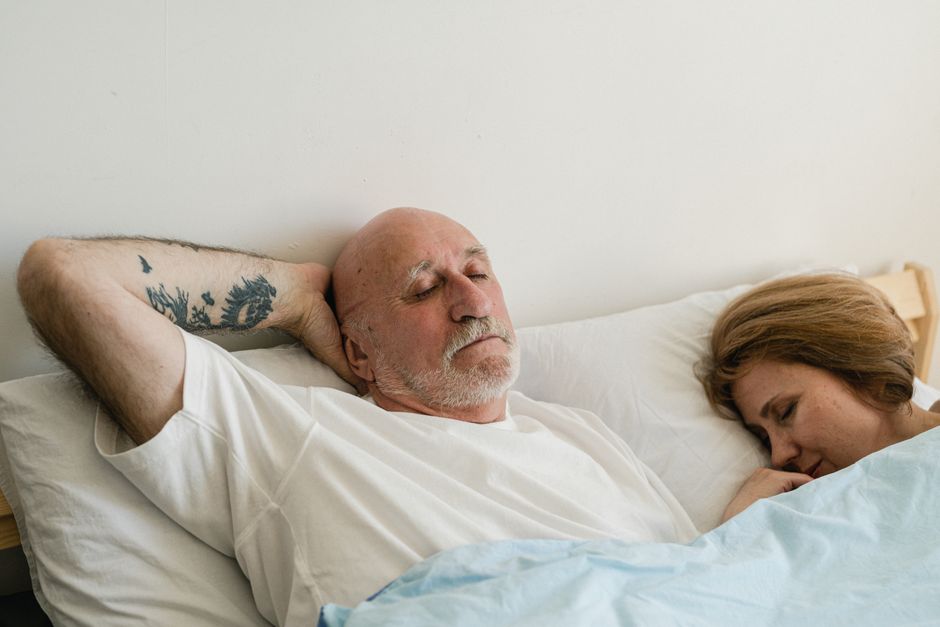
CPAP does not cure sleep apnea. It treats the condition by keeping your airway open while you sleep. The moment you stop using it, the apnea returns. This distinction matters because it shapes what you can expect from treatment and what your long-term plan should look like.
What CPAP Actually Does During Sleep
CPAP stands for continuous positive airway pressure. The machine delivers a steady stream of pressurized air through a mask. That pressure acts like a splint for your throat, holding the soft tissue and tongue from collapsing backward during sleep.
In obstructive sleep apnea, the airway narrows or closes completely during sleep. Breathing stops briefly, oxygen levels drop, and your brain wakes you just enough to restart breathing. This can happen dozens or even hundreds of times per night.
CPAP prevents those collapses. When the airway stays open, you breathe steadily. Your oxygen levels remain stable. Your brain does not need to wake you repeatedly. The result is more restorative sleep and daytime alertness.
But the machine only works while it is on and worn correctly. It does not change the anatomy or the underlying tendency of your airway to collapse. It does not retrain your body or permanently alter your breathing during sleep.
Why CPAP Is Called a Treatment, Not a Cure
A cure eliminates the disease. CPAP does not eliminate the condition. It compensates for it.
Think of it like eyeglasses. Glasses correct blurry vision while worn. They do not change the shape of the eye or fix the underlying refractive error. Remove the glasses and the blur returns.
Sleep apnea works the same way. The anatomical and physiological factors that cause airway collapse — jaw structure, tongue size, soft palate tissue, obesity, muscle tone during sleep — remain present. CPAP simply counteracts them each night.
Some patients ask if using CPAP for years can “train” the airway to stay open. No evidence supports that. The opposite is often true. Some people need slightly higher pressure over time, particularly if they gain weight.
What Happens When You Stop Using CPAP
Apnea events return quickly when CPAP is discontinued. Often within the first night. Blood oxygen drops return. Sleep fragmentation returns. Daytime fatigue returns.
The pattern is consistent across patients. Stopping CPAP does not cause harm by itself, but it does expose you again to the risks of untreated sleep apnea. Those risks include high blood pressure, heart disease, stroke, and type 2 diabetes.
Some people mistakenly believe that after months of good CPAP use, their apnea has resolved. This is not accurate. The apnea is still there. It is just being controlled.
If you plan to stop CPAP for any reason — travel, discomfort, or curiosity — talk to your sleep physician first. They can help you understand your specific risk profile and discuss alternatives.

Weight Loss and Other Treatments That Can Change the Course
CPAP is not the only treatment for obstructive sleep apnea. Some treatments can reduce the severity of the condition, and a few can effectively resolve it in specific cases.
Weight loss is the most significant lifestyle factor. Excess weight, especially around the neck and abdomen, increases pressure on the airway. Research consistently shows that losing 10% or more of body weight can meaningfully reduce apnea severity. In some patients with mild or moderate apnea, significant weight loss can bring the apnea severity down to a level that no longer meets diagnostic criteria.
That said, weight loss does not cure everyone. Some people have apnea due to jaw structure or other anatomical factors unrelated to weight. Even after substantial weight loss, they may still need treatment.
Positional therapy helps people whose apnea occurs mainly on their back. Sleeping on the side can reduce events in these patients. But this only works for a subset of people with position-dependent apnea.
Oral appliances — dental devices that hold the jaw forward — are an alternative for mild to moderate apnea. They are less effective than CPAP on average but are better tolerated by some patients.
Surgery exists for specific anatomical issues. Tonsil removal, jaw advancement, and procedures to stiffen the soft palate can help selected patients. Surgery success depends heavily on the precise cause of the obstruction. It is not a guaranteed cure for everyone.
Hypoglossal nerve stimulation is a newer implant that activates the tongue muscle during sleep. It is approved for moderate to severe apnea in patients who cannot tolerate CPAP. Results vary, and candidacy is limited.
Can Sleep Apnea Go Away on Its Own?
In adults, no. Obstructive sleep apnea does not spontaneously resolve without intervention. The anatomical factors that cause it are stable or worsen with age.
Children are different. Pediatric sleep apnea is often caused by enlarged tonsils or adenoids. Removing them can cure the condition in many children. But adult-onset sleep apnea is a chronic condition that requires ongoing management.
Some people experience temporary worsening of apnea due to alcohol, sedative medications, or sleeping on their back. Removing those triggers can improve apnea severity. But the underlying susceptibility remains.
How to Know If Your Treatment Is Working
CPAP effectiveness is measured by the apnea-hypopnea index, or AHI. This is the number of apnea and hypopnea events per hour of sleep.
An AHI under 5 is considered normal. Moderate to severe apnea is typically defined as an AHI of 15 or higher. CPAP treatment aims to bring your AHI below 5.
Most modern CPAP machines track your usage and estimated AHI automatically. Your sleep physician can review this data at follow-up appointments. Consistent use — typically at least 4 hours per night — is associated with better outcomes.
Feeling better is not the only measure. Some people feel dramatically better with CPAP. Others notice subtle improvements in energy, mood, and concentration. Some people feel no different initially, even when the machine is working correctly. That does not mean the treatment is ineffective. The cardiovascular and metabolic benefits of treating apnea can occur even without noticeable symptom changes.
Is CPAP Use for Life?
For most people, yes. Because the underlying condition does not disappear, ongoing treatment is needed.
But “for life” does not mean “the same forever.” Your pressure settings may need adjustment. Your mask may need to change. Some patients transition to oral appliances or other treatments if they cannot tolerate CPAP.
Regular follow-up with a sleep specialist matters. They can evaluate whether your treatment is still appropriate and whether any changes to your health — weight gain, new medications, other medical conditions — require adjustments.
If you lose significant weight, you may need a repeat sleep study. Some patients can reduce their pressure or, in some cases, stop CPAP if their apnea has improved enough. This should only be done under medical supervision with objective testing.
Frequently Asked Questions
Will I have to use CPAP forever?
Most people with obstructive sleep apnea need ongoing treatment because the underlying condition does not resolve on its own. Significant weight loss or surgery can reduce or eliminate the need in some cases, but this requires medical evaluation and repeat testing.
Can sleep apnea be cured permanently?
In adults, permanent cure is uncommon except in specific cases such as surgically correctable anatomical problems or substantial weight loss that resolves the condition. For most adults, sleep apnea is a chronic condition that requires ongoing management.
How many hours per night should I use CPAP?
Most sleep specialists recommend using CPAP for the full duration of sleep, with a minimum of 4 hours per night associated with measurable benefits. More consistent use throughout the night produces better outcomes.
What is the success rate of CPAP therapy?
CPAP is highly effective at eliminating apnea events when used correctly and consistently. The main challenge is adherence — many people stop using it within the first year due to mask discomfort, noise, or claustrophobia.
CPAP is a reliable, well-studied treatment for obstructive sleep apnea. It works when used. It does not cure the condition. Knowing the difference helps you make realistic decisions about your health and your long-term treatment plan.
