
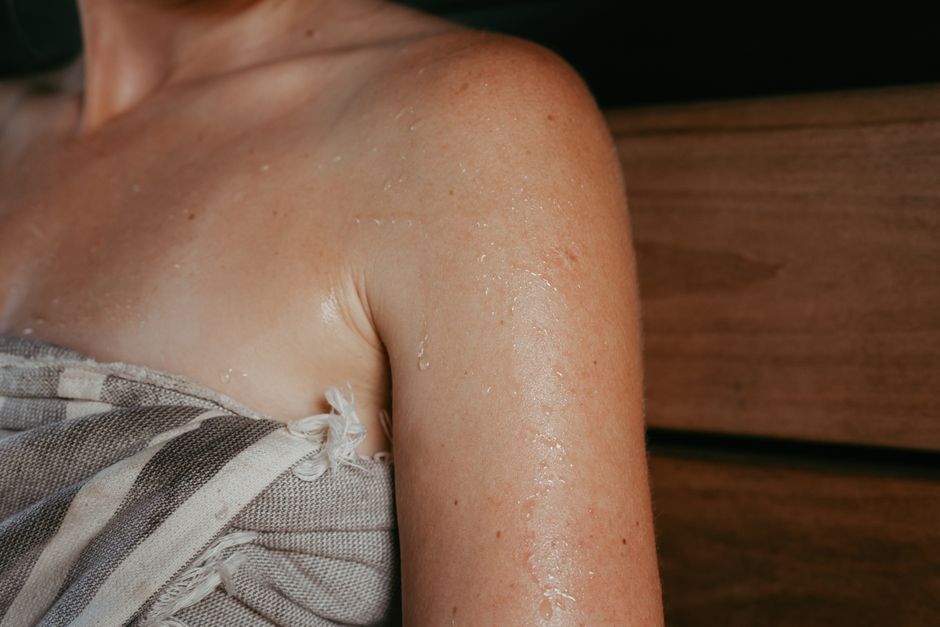
Waking up drenched in sweat is not just uncomfortable — it can make you wonder if something is wrong with your body. Night sweats are episodes of heavy sweating during sleep that soak your pajamas and sheets, and they are more common than most people realize. The causes range from simple bedroom temperature issues to hormone changes, infections, and certain medications, and in some cases they point to an underlying medical condition that deserves attention.
Why Do I Sweat So Much In My Sleep Causes: The Basics
Your body regulates its temperature through sweating, and this process continues while you sleep. Normal sleep-related sweating happens to everyone, but true night sweats are different — they produce enough moisture to soak through clothing and bedding.
Several systems in your body can trigger this response. Your hormones, nervous system, and immune system all play roles in temperature control. When any of these systems shifts, your body may overreact and produce excessive sweat during sleep.
One key point: night sweats are not the same as sleeping in a warm room. If your bedroom is hot or you use heavy blankets, you will sweat. That is not a medical condition. True night sweats happen even in cool environments.
Hormonal Changes That Cause Night Sweats
Hormones are among the most common triggers for night sweats. In women, the transition into menopause is a well-documented cause. Dropping estrogen levels affect the hypothalamus — the part of the brain that controls body temperature. This can cause sudden feelings of intense heat, known as hot flashes, which often occur at night.
Men also experience hormone-related night sweats. Lower testosterone levels can affect temperature regulation, though this is less studied than menopause. Thyroid conditions can also cause sweating. An overactive thyroid, called hyperthyroidism, speeds up your metabolism and can make you feel hot and sweat excessively, day or night.
Hormone shifts are not limited to menopause and thyroid issues. Pregnancy, particularly in the first and third trimesters, can cause night sweats due to changing hormone levels and increased blood flow.
Infections and Illnesses Linked to Night Sweats
Infections are a classic cause of night sweats. When your body fights an infection, your immune system raises your internal temperature to help kill the invading organisms. This fever response can cause sweating, especially at night.
Tuberculosis has a well-known association with night sweats. This bacterial infection primarily affects the lungs and is more common in certain regions and high-risk groups. Other bacterial infections, such as endocarditis (infection of the heart valves) and osteomyelitis (bone infection), can also cause night sweats.
Viral infections like HIV can cause night sweats, particularly in later stages. Even common viral illnesses can trigger them while your immune system works to clear the infection.
Some research suggests that certain fungal infections can also produce night sweats as a symptom, though these are less common in otherwise healthy people.




Medications and Substances That Trigger Night Sweats
Many prescription medications list night sweats as a possible side effect. Antidepressants are among the most common culprits. Selective serotonin reuptake inhibitors (SSRIs) and tricyclic antidepressants can affect your body’s temperature regulation.
Hormone therapy medications, including those used for prostate cancer and breast cancer, frequently cause hot flashes and night sweats. These drugs work by blocking or lowering hormone levels, which disrupts temperature control.
Other medications linked to night sweats include some diabetes medications, steroids, and certain blood pressure drugs. If you started a new medication and noticed night sweats shortly after, talk to your doctor. Do not stop taking prescribed medication without medical guidance.
Substance use can also contribute. Alcohol, in particular, dilates blood vessels and can trigger sweating during sleep. Caffeine and nicotine can also affect your body’s temperature regulation.
Medical Conditions That Cause Night Sweats
Several chronic conditions can produce night sweats as a symptom. Some cancers, particularly lymphoma, are associated with drenching night sweats. This is not a common cause — most people with night sweats do not have cancer — but it is why persistent night sweats deserve medical evaluation.
Autoimmune conditions like rheumatoid arthritis and lupus can cause night sweats, especially during flare-ups when inflammation is high. The immune system’s activity raises body temperature and triggers sweating.
Sleep apnea has been linked to night sweats in some studies. When breathing stops briefly during sleep, your body releases stress hormones that can cause sweating. Treating the sleep apnea often resolves the night sweats.
Neurological conditions that affect the autonomic nervous system — the system that controls involuntary functions like sweating — can also cause night sweats. These are less common but can be significant when present.
Lifestyle and Environmental Factors
Your sleep environment plays a major role in night sweats. A bedroom that is too warm, heavy bedding, or wearing too many layers to bed can all cause excessive sweating. The ideal sleep temperature for most people is between 60 and 67 degrees Fahrenheit, though individual preferences vary.
Diet can contribute as well. Spicy foods, hot drinks, and heavy meals close to bedtime can raise your body temperature. Some research suggests that certain foods trigger sweating in sensitive individuals, though this varies widely from person to person.
Stress and anxiety can also cause night sweats. Your body’s stress response activates the same systems that control temperature, and unresolved stress can carry into sleep. This is often overlooked but can be a significant factor for many people.
Obesity is another contributing factor. Excess body weight can make it harder for your body to regulate temperature, and people with higher body mass index may experience more night sweats.
When Night Sweats Are a Sign of Something Serious
Most night sweats are not caused by serious illness. But certain patterns warrant medical attention. If your night sweats are accompanied by unexplained weight loss, persistent fever, or fatigue, see a doctor. These combined symptoms can signal an underlying condition that needs evaluation.
Night sweats that occur regularly for weeks or months, especially when they interrupt your sleep or are drenching, deserve a medical workup. Your doctor will likely ask about your medical history, medications, and other symptoms before deciding what tests are needed.
In women approaching menopause, night sweats are expected and usually not concerning. In men and younger women, persistent night sweats without an obvious explanation may warrant more investigation.
The diagnostic process typically starts with a physical exam and blood tests. Your doctor may check your hormone levels, thyroid function, blood counts, and markers of infection or inflammation. Depending on your symptoms and risk factors, additional testing may be recommended.
How to Manage and Prevent Night Sweats
If your night sweats are caused by your environment, simple changes can help. Keep your bedroom cool, use breathable bedding materials like cotton, and dress in light sleepwear. A fan or open window can improve air circulation.
For hormone-related night sweats, some strategies may help. Avoiding triggers like spicy foods, alcohol, and caffeine in the evening can reduce episodes. Some women find that layered clothing helps manage temperature swings.
Certain medications can help when night sweats are severe and disrupting your life. Hormone replacement therapy can be effective for menopausal night sweats, but it carries risks that need discussion with your doctor. Some antidepressants are prescribed off-label for hot flashes and night sweats, though evidence for this use varies.
If a medication you take is causing night sweats, your doctor may be able to adjust the dose or switch you to an alternative. Never stop or change medication without consulting your healthcare provider.
For stress-related night sweats, relaxation techniques before bed may help. Deep breathing, meditation, or gentle stretching can reduce the body’s stress response and potentially reduce sweating episodes.
Frequently Asked Questions
What medical conditions cause night sweats?
Infections, hormone changes, certain cancers, autoimmune diseases, and sleep apnea can all cause night sweats. A doctor can help determine which condition, if any, is responsible for your symptoms.
Can anxiety cause night sweats?
Yes, stress and anxiety can trigger night sweats by activating your body’s stress response, which affects temperature regulation. Managing stress through relaxation techniques may reduce episodes.
Are night sweats a sign of cancer?
Night sweats can be a symptom of some cancers, particularly lymphoma, but most people with night sweats do not have cancer. Persistent night sweats combined with unexplained weight loss or fever warrant medical evaluation.
What is the best way to stop night sweats?
Start by addressing your sleep environment — keep the room cool and use breathable bedding. If that does not help, see a doctor to identify the underlying cause, since treatment depends on what is triggering the sweats.
