
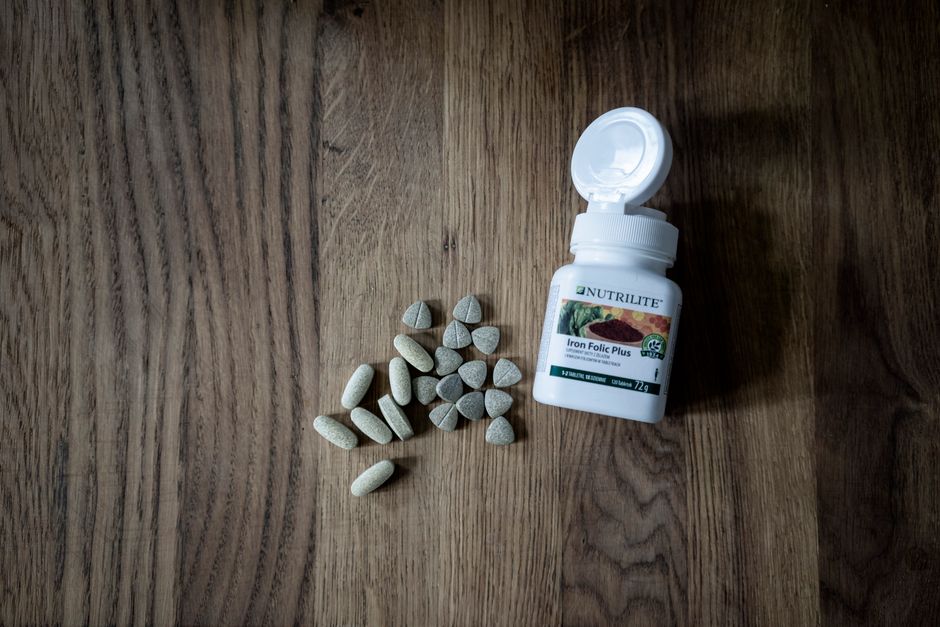
If you need to raise your iron levels quickly, the fastest approach combines eating iron-rich foods with vitamin C to boost absorption, and taking an iron supplement if a doctor confirms you are deficient. Iron deficiency is one of the most common nutritional problems worldwide, and fixing it takes more than just eating more spinach. You need to understand which foods help, which foods block iron absorption, and when supplements are actually necessary.
How To Increase Iron Levels Quickly Foods Supplements
Iron levels drop when your body loses more iron than it takes in. This happens through blood loss, pregnancy, poor diet, or conditions that affect absorption. When levels fall, your body cannot make enough hemoglobin, the protein in red blood cells that carries oxygen. That is why fatigue is the most common symptom of low iron.
To raise iron levels quickly, you need to do three things at once. First, eat more iron-rich foods. Second, pair those foods with things that help your body absorb iron. Third, if your deficiency is confirmed, take a supplement as directed by your healthcare provider. Food alone rarely fixes a significant deficiency fast enough to matter. Supplements work faster than food because they deliver a concentrated dose.
What Foods Are Highest in Iron?
Iron comes in two forms: heme and non-heme. Heme iron comes from animal sources and is absorbed much more efficiently by your body. Non-heme iron comes from plants and is absorbed less well. Understanding this difference matters because it changes how much iron you actually get from what you eat.
Heme iron sources include red meat, liver, poultry, and fish. Beef, lamb, and organ meats are the most concentrated sources. A single serving of beef provides several milligrams of iron, and your body absorbs about 15-35% of the heme iron you eat.
Non-heme iron sources include beans, lentils, tofu, spinach, fortified cereals, and pumpkin seeds. Your body only absorbs about 2-20% of non-heme iron. That sounds discouraging, but you can improve absorption significantly by pairing plant iron with vitamin C.
Some of the best plant sources are lentils, chickpeas, kidney beans, and fortified breakfast cereals. Dark leafy greens like spinach and kale contain iron, but they also contain oxalates, compounds that reduce absorption. Cooking spinach reduces oxalates and improves iron availability.
How Much Iron Do You Actually Need?
Iron needs vary by age, sex, and life stage. Adult men need about 8 mg per day. Women aged 19-50 need about 18 mg per day because of menstrual blood loss. After menopause, women’s needs drop to 8 mg per day. Pregnant women need about 27 mg per day, which is why prenatal vitamins include iron.
These numbers come from established dietary reference intakes used in the United States. They represent the amount needed to prevent deficiency in most healthy people. If you already have low iron, your needs may be higher, and your doctor may recommend a supplement dose above the daily requirement.
Do not guess at your iron status. A simple blood test measuring ferritin and hemoglobin tells you where you stand. Ferritin reflects your body’s stored iron, while hemoglobin reflects the iron actively carrying oxygen in your blood. Both numbers matter for understanding the severity of your deficiency.

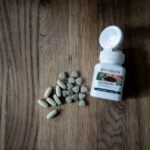
Which Supplements Work Fastest?
If a blood test confirms iron deficiency, supplements are the most reliable way to raise levels quickly. The two main types are ferrous salts and ferric iron. Ferrous sulfate, ferrous gluconate, and ferrous fumarate are the most common and best-studied forms. They are absorbed well and are inexpensive.
Ferrous sulfate is the standard treatment for iron deficiency. It typically provides about 65 mg of elemental iron per tablet. Your doctor may recommend taking it every other day instead of daily. Some research suggests that every-other-day dosing improves absorption and reduces side effects compared to daily dosing.
Slow-release and enteric-coated iron tablets are designed to reduce stomach upset, but they may not be absorbed as well. If you have trouble tolerating standard iron pills, talk to your doctor about alternatives rather than giving up on treatment altogether.
Liquid iron supplements exist and are absorbed well, but they can stain teeth. Intravenous iron is reserved for people who cannot tolerate oral iron or who have severe deficiency that needs rapid correction. IV iron requires a medical setting and is not something you do at home.
What Helps Your Body Absorb More Iron?
Vitamin C is the most powerful absorption enhancer. It converts iron into a form your body can absorb more easily. Eating vitamin C-rich foods alongside iron-rich meals can double or triple non-heme iron absorption. Citrus fruits, tomatoes, bell peppers, strawberries, and broccoli are all excellent sources.
Meat also enhances non-heme iron absorption. This is called the “meat factor.” When you eat meat alongside plant iron sources, your body absorbs more of the plant iron. This is why a meal of beans with a small amount of chicken is more effective for iron absorption than beans alone.
Cooking in cast iron cookware can add iron to your food. Acidic foods like tomato sauce absorb the most iron from cast iron pans. This is a modest effect, but every little bit helps when you are trying to raise levels.
Taking your iron supplement with a glass of orange juice or a vitamin C supplement improves absorption. Taking it with food reduces stomach upset but also reduces absorption slightly. If you tolerate iron on an empty stomach, that is the most effective way to take it.
What Blocks Iron Absorption?
Several common foods and drinks interfere with iron absorption. Knowing these matters as much as knowing which foods help. Drinking coffee or tea with meals can reduce iron absorption by up to 60%. The tannins in these beverages bind to iron and prevent your body from using it.
Calcium is another blocker. Dairy products, calcium supplements, and calcium-fortified foods interfere with both heme and non-heme iron absorption. Do not take your iron supplement with milk or yogurt. Wait at least two hours between consuming calcium-rich foods and taking your iron supplement.
Phytates found in whole grains, bran, and legumes reduce iron absorption. This is not a reason to avoid these healthy foods. It is a reason to pair them with vitamin C and meat to offset the effect. Eggs also contain a protein that can interfere with iron absorption.
Antacids and acid-reducing medications decrease stomach acid, which your body needs to absorb iron. If you take these medications regularly, discuss your iron status with your doctor. The combination of long-term acid suppression and low iron intake can lead to deficiency over time.
How Long Does It Take to Feel Better?
Iron supplements do not work overnight. Most people need several weeks of consistent supplementation before their iron stores meaningfully improve. You may notice improved energy within one to two weeks, but that is not the same as your iron levels being normal.
Hemoglobin levels typically rise within two to four weeks of starting iron therapy. Ferritin, which reflects your body’s iron stores, takes longer to rebuild. It can take several months of consistent supplementation to fully restore iron stores, especially if your deficiency was severe.
Your doctor will likely recheck your blood after a few months of treatment. This follow-up test is important because it confirms whether the supplement is working and whether your dose needs adjustment. Do not stop taking iron just because you feel better. Stopping too early can cause your levels to drop again.
When Should You See a Doctor?
You should never self-diagnose iron deficiency. Many conditions cause fatigue and weakness, and iron overload is also dangerous. Taking iron supplements when you do not need them can cause iron to accumulate in your organs, leading to liver damage, heart problems, and other complications.
See a doctor if you have ongoing fatigue, shortness of breath, pale skin, cold hands and feet, or unusual cravings for ice or dirt. These are classic signs of iron deficiency. Your doctor can order a blood test to confirm the diagnosis and identify the underlying cause.
Iron deficiency is not always a diet problem. It can signal internal bleeding, especially in older adults. This is why a new diagnosis of iron deficiency in an older person warrants careful medical evaluation. Never assume dietary changes alone will fix a deficiency that may have a more serious cause.
Frequently Asked Questions
Can I raise my iron levels in one week?
You cannot fully restore iron stores in one week, but you may notice improved energy within one to two weeks of starting supplements. Full restoration of iron stores typically takes several months.
Is it better to take iron every day or every other day?
Some research suggests every-other-day dosing improves absorption and reduces side effects compared to daily dosing. Follow your doctor’s specific recommendation for your situation.
What is the fastest way to raise iron levels?
The fastest way is a doctor-prescribed iron supplement taken consistently, paired with iron-rich foods and vitamin C. Intravenous iron works fastest but is reserved for severe cases.
Can I take iron with coffee or tea?
No, coffee and tea significantly reduce iron absorption. Wait at least one hour after eating before drinking them, and never take your iron supplement with these beverages.
