
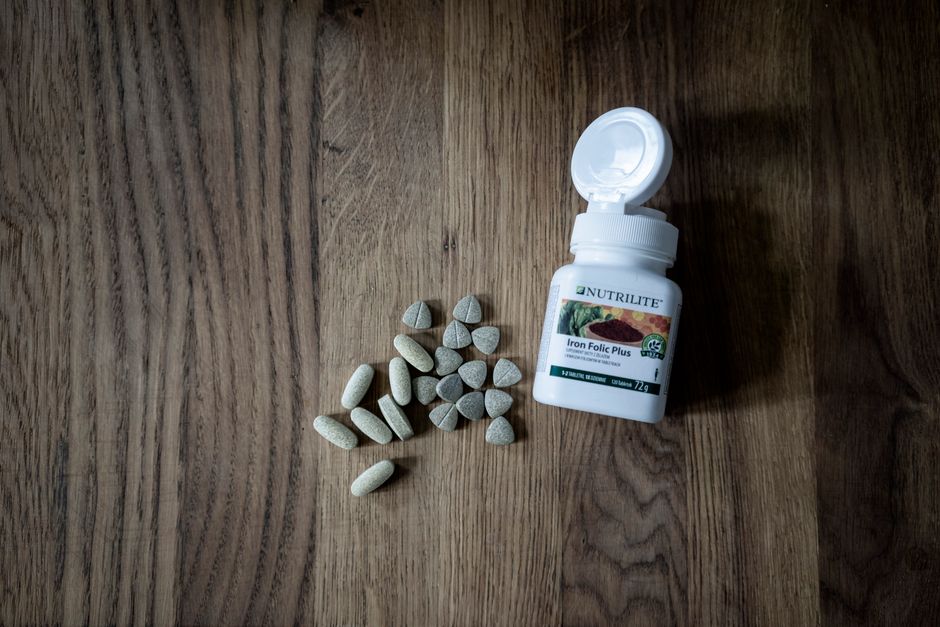
Iron is not a vitamin. It is a mineral. This is a common mix-up because iron and vitamins often appear together on supplement labels and in fortified foods. Your body needs iron to make hemoglobin, the protein in red blood cells that carries oxygen from your lungs to the rest of your body. Without enough iron, your cells do not get the oxygen they need to work properly.
What Is the Difference Between Vitamins and Minerals?
Vitamins and minerals are both essential nutrients, but they are different kinds of substances. Vitamins are organic compounds, which means they come from living things like plants and animals. Minerals are inorganic, meaning they come from soil and water. Plants absorb minerals from the ground, and you get them by eating those plants or the animals that ate them.
Your body cannot make most vitamins or minerals on its own. You have to get them from food. Each one has a specific job. Vitamin C helps with tissue repair. Vitamin D helps your body absorb calcium. Iron helps carry oxygen in your blood. The fact that they are different categories of nutrients matters because your body processes them differently and stores them differently.
What Does Iron Actually Do in Your Body?
Iron is a core component of hemoglobin. Hemoglobin is the oxygen-carrying protein inside red blood cells. Each hemoglobin molecule contains four iron atoms, and each iron atom can bind to one oxygen molecule. When you breathe in, iron picks up oxygen in your lungs and carries it through your bloodstream to every tissue in your body. On the way back, it carries carbon dioxide to your lungs so you can exhale it.
Iron also plays a role in energy production at the cellular level. It is part of enzymes involved in making energy from the food you eat. It supports your immune system and helps with cognitive function. But oxygen transport is its main job. When iron levels drop, oxygen delivery drops too, and you feel the effects quickly.
What Happens When Your Iron Is Low?
Low iron leads to iron deficiency anemia. This is the most common nutritional deficiency worldwide. When your iron stores are empty, your body cannot make enough hemoglobin. Your red blood cells become smaller and paler than normal. They carry less oxygen, so your tissues get less fuel.
The most common symptoms are fatigue, weakness, and shortness of breath with light activity. You might also notice pale skin, cold hands and feet, brittle nails, or an unusual craving for ice or dirt — a condition called pica. Some people experience headaches or dizziness. These symptoms develop gradually, so many people do not realize anything is wrong until their anemia is moderate or severe.
Iron deficiency is diagnosed with a blood test. Doctors typically check hemoglobin and ferritin levels. Ferritin is the protein that stores iron in your body. Low ferritin means your iron stores are running out even if your hemoglobin is still normal. This is called iron depletion, and it is the earliest stage of iron deficiency.




How Much Iron Do You Need?
Iron needs vary by age and sex. Adult men need about 8 milligrams per day. Women aged 19 to 50 need about 18 milligrams per day because of blood loss during menstruation. After menopause, a woman’s need drops to about 8 milligrams per day. Pregnant women need significantly more — about 27 milligrams per day — because they are building blood for the baby as well as themselves.
These numbers come from the National Academies of Sciences, Engineering, and Medicine, which sets the Dietary Reference Intakes for the United States and Canada. Most people can meet these targets through food alone, but some groups are at higher risk for deficiency. These include pregnant women, people with heavy menstrual bleeding, vegetarians and vegans, frequent blood donors, and people with digestive conditions like celiac disease or Crohn’s disease that affect nutrient absorption.
What Foods Are High in Iron?
Iron comes in two forms: heme and non-heme. Heme iron comes from animal sources and is absorbed more easily by your body. Non-heme iron comes from plant sources and is absorbed less efficiently. Knowing the difference helps you understand why some foods are better iron sources than others.
Heme iron is found in red meat, poultry, fish, and shellfish. Beef, lamb, liver, and sardines are particularly rich sources. Non-heme iron is found in beans, lentils, tofu, spinach, fortified cereals, and pumpkin seeds. If you eat a plant-based diet, you need to be more intentional about iron because your body absorbs less of the non-heme form.
Pairing iron-rich foods with vitamin C can help. Vitamin C increases absorption of non-heme iron. Eating citrus fruits, tomatoes, bell peppers, or broccoli alongside beans or spinach improves how much iron you actually get. Coffee and tea, on the other hand, can reduce iron absorption because they contain tannins that bind to iron. If you have low iron, it is best to drink coffee or tea between meals rather than with them.
Should You Take an Iron Supplement?
Iron supplements are not for everyone. Your body has no efficient way to get rid of excess iron, so taking too much can be dangerous. Iron toxicity can damage your liver, heart, and pancreas over time. In children, iron supplements are a leading cause of accidental poisoning. Always keep iron supplements out of reach of children.
Do not start an iron supplement based on fatigue alone. Many conditions cause fatigue, and taking iron when you do not need it will not help. It can also mask an underlying problem. If you suspect low iron, ask your doctor for a blood test first. If the test confirms deficiency, your doctor can recommend an appropriate dose and form.
Over-the-counter iron supplements typically contain ferrous sulfate, ferrous gluconate, or ferrous fumarate. These are all forms of iron that your body can absorb. Ferrous sulfate is the most common and the most studied. Some people experience constipation, nausea, or stomach upset with iron supplements. Taking the supplement with food can reduce these side effects, though food also reduces absorption slightly.
Can You Get Too Much Iron?
Yes. Iron is essential, but it is also toxic in excess. Your body regulates iron absorption carefully, but it cannot excrete excess iron efficiently. This is why iron poisoning is a real risk with supplements. Adults should not exceed 45 milligrams per day from supplements and food combined unless a doctor prescribes more for a specific medical condition.
Some people have a genetic condition called hemochromatosis, which causes the body to absorb too much iron from food. Over time, excess iron builds up in organs and causes damage. People with hemochromatosis often need to avoid iron supplements entirely and may require regular blood removal to keep iron levels in check. This condition is more common in people of Northern European descent.
What Vitamin Helps Your Body Absorb Iron?
Vitamin C is the nutrient most directly involved in iron absorption. It converts non-heme iron into a form that your body can absorb more easily. This is why a glass of orange juice with a spinach salad or a squeeze of lemon over lentils makes a real difference in how much iron you get from the meal.
Vitamin A and beta-carotene may also play a role in iron absorption, though the evidence is less clear. Some studies suggest they help release stored iron for use. But vitamin C is the one with the strongest and most consistent evidence. If you are trying to improve your iron levels, focus on vitamin C first.
When Should You See a Doctor About Iron?
See a doctor if you have persistent fatigue, shortness of breath, or weakness that does not improve with rest. These symptoms warrant a blood test. Do not self-diagnose iron deficiency and do not self-treat with high-dose supplements. A simple blood test tells you whether your iron levels are actually low, normal, or high, and that information determines the right next step.
If you are diagnosed with iron deficiency, follow your doctor’s advice about supplementation and re-testing. Iron levels take time to rebuild, and you need follow-up blood tests to know when your stores are full again. Stopping too early is common and leads to relapse. Continuing too long, especially without monitoring, can lead to iron overload.
Frequently Asked Questions
What vitamin is iron?
Iron is not a vitamin. It is a mineral. Your body needs it to make hemoglobin, which carries oxygen in your blood.
What vitamin helps absorb iron?
Vitamin C helps your body absorb iron, especially the non-heme iron found in plant foods. Eat vitamin C-rich foods alongside iron-rich meals to improve absorption.
What are the symptoms of low iron?
Fatigue, weakness, pale skin, and shortness of breath are the most common symptoms. Some people also experience cold hands and feet, brittle nails, or unusual cravings for ice.
Can you take iron and vitamins together?
Yes, but check with your doctor first. Iron can interact with certain vitamins and minerals, and taking too much iron is dangerous.
