
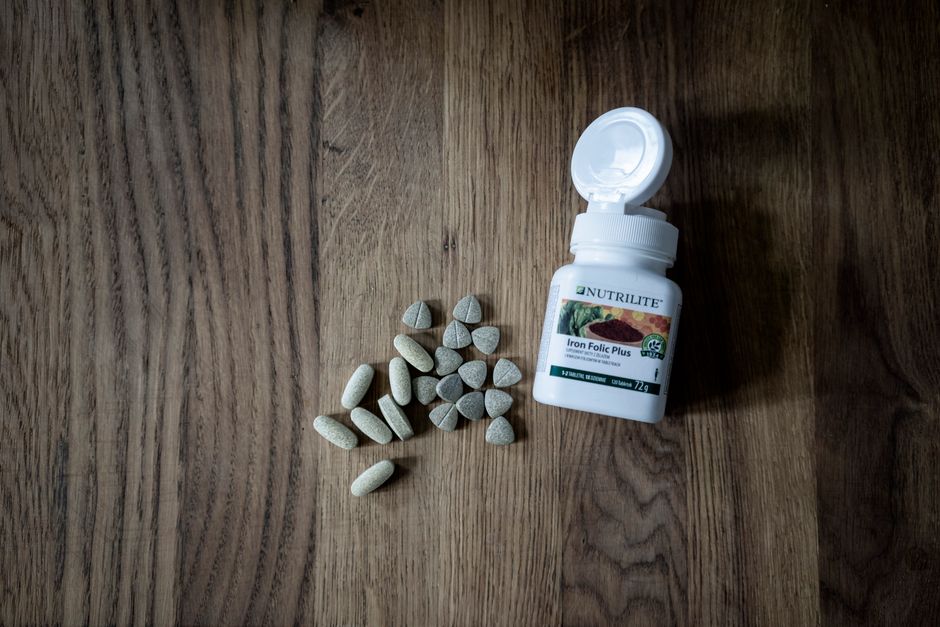
Taking too much iron can cause symptoms ranging from nausea and stomach pain to organ damage and, in severe cases, death. The body has no efficient way to remove excess iron, so it stores the surplus in tissues like the liver, heart, and pancreas. This is a medical emergency that requires immediate attention, not home remedies or waiting it out.
How Much Iron Is Too Much?
The amount of iron that causes harm depends on your age, weight, and overall health. For a typical adult, the daily recommended intake is around 8 to 18 milligrams, depending on sex and age. Women who menstruate need more iron than men, and pregnant women need even more.
Acute iron toxicity typically occurs when someone ingests more than 20 milligrams of iron per kilogram of body weight. For a 150-pound adult, that is roughly 1,360 milligrams at once. That is far more than any standard supplement contains, but it can happen with high-dose supplements or if a child finds adult vitamins.
Chronic iron overload is different. It happens over months or years when someone takes moderately high doses of iron daily. Conditions like hereditary hemochromatosis can also cause iron to accumulate even with normal dietary intake.
Acute Iron Poisoning: What Happens to the Body
Acute iron poisoning follows a predictable pattern. Within the first six hours, the iron directly irritates the stomach and intestinal lining. This causes nausea, vomiting, abdominal pain, and diarrhea. The vomit may look bloody or have a green or gray tint.
If the dose was large enough, a deceptive calm period can follow. Symptoms seem to improve for several hours. This is not recovery. During this phase, iron is entering the bloodstream and moving into cells.
The next phase is the dangerous one. Iron accumulates in the liver, causing damage that can lead to jaundice and liver failure. It also disrupts metabolism, causing metabolic acidosis — a condition where the blood becomes too acidic. This can affect the heart, leading to irregular rhythms or cardiac arrest.
Kidney failure and bleeding problems can follow. In the most severe cases, death can occur within 24 to 48 hours of ingestion.
Symptoms of Iron Overdose
Symptoms of acute iron poisoning appear quickly, usually within 30 minutes to 6 hours after ingestion. The earliest signs are gastrointestinal:
- Nausea and vomiting, sometimes with blood
- Severe abdominal cramping
- Diarrhea, which may be dark or bloody
- Dizziness and confusion
- Rapid heartbeat
- Shortness of breath
Chronic iron overload produces different symptoms. These develop gradually and are easy to mistake for other conditions:
- Fatigue and weakness
- Joint pain
- Abdominal pain
- Darkening of the skin, sometimes called bronze or gray skin
- Loss of sex drive
- Heart palpitations
Many people with chronic iron overload have no symptoms at all until organ damage has already occurred. This is why routine blood tests are the only reliable way to detect the problem early.





What Happens If You Take Too Much Iron Risks Treatment
Treatment for iron overdose depends on how much was taken and how quickly medical help is sought. This is not a situation where you can wait to see if symptoms resolve on their own.
In a hospital, doctors may first try to remove unabsorbed iron from the stomach. This is only effective within the first hour or two after ingestion. Activated charcoal does not bind well to iron, so it is not a standard treatment for this type of poisoning.
For moderate to severe toxicity, the standard treatment is deferoxamine, a medication that binds to iron in the blood and helps the body excrete it through urine. This medication is given intravenously, often for 24 hours or longer. It can turn the urine a reddish-orange color, which is a sign that it is working.
In severe cases, patients may need supportive care in an intensive care unit. This can include IV fluids, blood pressure support, and treatment for liver or kidney failure. In extremely rare cases, a liver transplant may be necessary if the liver fails completely.
For chronic iron overload, the treatment is different. Phlebotomy — removing blood from the body — is the most common approach. Each unit of blood removed takes a significant amount of iron with it. This is the same principle behind blood donation, and it is highly effective for conditions like hemochromatosis.
For people who cannot tolerate phlebotomy, iron chelation therapy with medications like deferasirox or deferiprone is an alternative. These drugs bind to iron and allow the body to excrete it. They are effective but can have side effects, including kidney problems and gastrointestinal issues.
When to Seek Emergency Care
If you or someone else has taken more iron than directed — even without symptoms — call poison control immediately. In the United States, the number is 1-800-222-1222. They will tell you whether to go to the emergency room.
If someone has taken a large dose of iron and is vomiting, confused, or having trouble breathing, call 911 or go to the nearest emergency department. Do not try to induce vomiting at home. Do not give the person anything to eat or drink unless a medical professional tells you to.
Children are at particular risk. Iron supplements are a leading cause of poisoning deaths in children under six. Even a relatively small number of adult-strength iron pills can be dangerous for a toddler. Keep all iron supplements in child-resistant containers and stored out of reach.
What Not to Do After an Iron Overdose
Do not take antacids or milk to “settle the stomach.” These can change how iron is absorbed and may make the situation harder for doctors to assess. Do not try home remedies like activated charcoal from a pharmacy, as it does not effectively bind iron.
Do not wait for symptoms to appear before seeking help. Iron toxicity can progress rapidly, and the early symptoms can seem mild. By the time serious symptoms develop, significant damage may already be occurring.
Do not assume that because someone feels better after a few hours, the danger has passed. The quiet phase of iron poisoning can last several hours and may be followed by sudden deterioration.
Who Is at Risk for Iron Overload?
Most people who take iron supplements as directed do not develop iron overload. The body regulates iron absorption to some degree, but this regulation is not perfect.
People with hereditary hemochromatosis are at the highest risk. This genetic condition causes the body to absorb too much iron from food and supplements. It is one of the most common genetic disorders in people of Northern European descent.
People who receive frequent blood transfusions are also at risk. Each unit of transfused blood contains iron, and the body has no way to remove the excess. This is why transfusion-dependent patients are monitored closely for iron overload.
Men and postmenopausal women are at lower risk of iron deficiency and therefore have less need for iron supplements. Taking high-dose iron without a diagnosed deficiency is generally not recommended for these groups.
How to Take Iron Safely
Iron supplements should only be taken when a doctor has confirmed an iron deficiency through a blood test. The most common test is a serum ferritin level, which measures the body’s stored iron. Normal ferritin levels are roughly 30 to 300 nanograms per milliliter for men and 15 to 150 for women, though reference ranges vary slightly by laboratory.
If your doctor recommends iron, take exactly the dose prescribed. Do not double up if you miss a dose. If you are taking iron for deficiency, your doctor will likely recheck your levels after a few months to see if the supplement can be stopped.
Iron is best absorbed on an empty stomach, but taking it with food can reduce stomach upset. Vitamin C can enhance iron absorption, while calcium, tea, and coffee can reduce it. If you take iron with meals, avoid pairing it with dairy or high-calcium foods.
Frequently Asked Questions
Can you die from taking too much iron?
Yes, severe iron overdose can be fatal, especially in children. Death can occur within 24 to 48 hours of a large ingestion without prompt medical treatment.
What is the antidote for iron poisoning?
Deferoxamine is the standard antidote for acute iron poisoning, given intravenously in a hospital setting. It binds to iron in the bloodstream and helps the body excrete it through urine.
How long after taking too much iron do symptoms appear?
Gastrointestinal symptoms like nausea and vomiting usually begin within 30 minutes to 6 hours after ingestion. More severe symptoms involving the liver, heart, or kidneys can develop 12 to 24 hours later.
Can too much iron cause long-term organ damage?
Yes, chronic iron overload can damage the liver, heart, and pancreas over time. This damage is often silent until it is advanced, which is why monitoring iron levels is important for at-risk individuals.
