

Estrogen is a key hormone that influences everything from your menstrual cycle and bone density to your mood and skin health. For many women, especially during perimenopause and menopause, estrogen levels can drop, causing hot flashes, night sweats, vaginal dryness, and sleep problems. While you cannot fully replace what your ovaries stop producing, you can take specific, evidence-based steps to support your body’s natural estrogen production and balance. The most effective natural strategies focus on diet, body weight, and stress management, not on unproven supplements.
What Causes Low Estrogen in Women?
Understanding why estrogen drops is the first step. The most common cause is the natural aging process called menopause. The ovaries slow down and eventually stop producing estrogen, usually around age 51. This is a normal biological transition, not a disease that needs “fixing.”
Other causes include surgical removal of the ovaries (oophorectomy), certain chemotherapy treatments, and excessive exercise combined with very low body fat. Conditions like anorexia nervosa or overtraining in athletes can also shut down the menstrual cycle and drop estrogen to very low levels. The cause matters because the solutions differ. A 50-year-old in menopause has a different situation than a 30-year-old marathon runner.
Research published in the journal Menopause confirms that women with a higher percentage of body fat often have higher circulating estrogen levels. This is because fat cells produce a small amount of estrogen through an enzyme called aromatase. While this is not a recommendation to gain weight, it explains why very thin women often experience lower estrogen.
Does Diet Actually Affect Estrogen Levels?
Yes, but not in the way most articles claim. Eating certain foods will not cause a dramatic spike in your estrogen levels. What diet does is provide the building blocks and support for your body to maintain its own estrogen production and metabolism.
Phytoestrogens are plant compounds that look similar to human estrogen. Foods like soy, flaxseeds, sesame seeds, and legumes contain them. The evidence here is moderate. Some studies suggest that consuming soy products can help reduce hot flashes in menopausal women. A 2021 review in Nutrients found that soy isoflavones reduced hot flash frequency by about 26% compared to a placebo. That is a real effect, but it is not the same as raising your blood estrogen levels to pre-menopause ranges. Phytoestrogens are much weaker than your own estrogen. They may also block stronger estrogens from binding to receptors, which is actually a protective effect against hormone-sensitive cancers.
Fiber is another critical dietary factor. Your body processes estrogen in the liver and sends it to the gut to be eliminated. If you are constipated or have an unhealthy gut microbiome, that estrogen can be reabsorbed back into your bloodstream. A high-fiber diet helps bind to excess estrogen and move it out of your body. This is about balance, not just boosting numbers.
Healthy fats are necessary because estrogen is a steroid hormone made from cholesterol. Very low-fat diets can reduce the raw materials your body needs. Including sources like avocados, olive oil, nuts, and fatty fish supports hormone production without causing inflammation.
Can Body Weight and Exercise Change Estrogen?
Body weight has a direct, measurable relationship with estrogen. Adipose tissue (fat cells) contains the aromatase enzyme that converts androgens into estrogen. Women with a healthy body fat percentage in the 22-30% range typically have enough conversion to support normal cycles. Dropping below 17-18% body fat often causes the menstrual cycle to stop completely.
This is why extreme dieting or over-exercising can tank your estrogen. The female athlete triad — low energy availability, menstrual dysfunction, and low bone density — is a well-documented condition. If you are underweight or training intensely without enough calories, gaining a few pounds of healthy body fat can restore estrogen production. This is a non-obvious truth that contradicts diet culture, but it is biologically accurate.
Exercise itself has a nuanced role. Moderate, consistent exercise like brisk walking, yoga, or strength training improves insulin sensitivity and reduces stress hormones. Both of these help your body produce and regulate estrogen better. However, extreme endurance training or high-intensity interval training done daily without recovery can suppress estrogen production. The key is balance. The CDC recommends 150 minutes of moderate activity per week. That level supports hormone health. Running 50 miles a week while eating 1,500 calories likely does not.
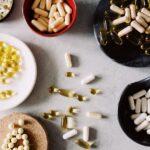



What About Herbal Supplements and Vitamins?
This is where the hype is loudest and the evidence is weakest. Many supplements claim to “boost estrogen naturally,” but the research does not back most of them up for clinical use.
| Supplement | Claim | What Evidence Actually Shows |
|---|---|---|
| Black Cohosh | Reduces hot flashes | Some women report relief, but large studies show no better than placebo for estrogen levels. Works for symptoms in some people, not for raising estrogen. |
| Red Clover | Contains phytoestrogens | Weak evidence. Some small studies show modest symptom relief. No consistent effect on blood estrogen levels. |
| Dong Quai | Traditional Chinese herb for hormone balance | No reliable clinical evidence it raises estrogen. One study in Menopause found it was no better than placebo for hot flashes. |
| Vitamin D | Supports hormone production | Strong evidence it is essential for overall health. Low vitamin D is linked to hormonal imbalances. Supplementing if you are deficient helps, but it does not directly increase estrogen. |
| B Vitamins (B6, B12, Folate) | Help liver detoxify estrogen | Moderate evidence they support estrogen metabolism. Important if you have a deficiency. Not a standalone solution. |
As of 2026, there is no clinical evidence that any herbal supplement can reliably increase estrogen levels in the same way that FDA-approved hormone therapy can. The National Center for Complementary and Integrative Health (NCCIH) states that black cohosh and red clover have not been proven to be effective for menopause symptoms in large, well-designed trials. If you choose to try them, do so with realistic expectations. They are not a replacement for medical treatment if your symptoms are severe.
How To Increase Estrogen Naturally In Females Through Lifestyle Changes?
This is the most actionable section. Three lifestyle factors have the strongest evidence: sleep, stress reduction, and avoiding endocrine disruptors.
Sleep is when your body repairs and produces hormones. Chronic sleep deprivation raises cortisol, which directly suppresses estrogen and progesterone. A 2020 study in Sleep Medicine Reviews found that women who slept less than six hours per night had significantly lower estrogen levels than those who slept seven to eight hours. Prioritizing sleep is not optional for hormone health. It is foundational.
Chronic stress keeps cortisol high. Cortisol and estrogen are made from the same precursor hormone, pregnenolone. When your body is constantly making cortisol, there is less raw material left for estrogen. This is called the “pregnenolone steal” effect. Managing stress through meditation, therapy, or even a daily 10-minute walk can lower cortisol and free up resources for estrogen production. This is not vague advice. It is biochemistry.
Endocrine disruptors are chemicals in plastics, pesticides, and personal care products that mimic or block hormones in your body. Bisphenol A (BPA) found in some plastic bottles and food can liners is a well-known one. Phthalates in fragranced products are another. While the research is still evolving, avoiding these chemicals is a low-risk strategy. The Endocrine Society recommends choosing glass or stainless steel for food storage, eating organic produce when possible, and using fragrance-free or “phthalate-free” personal care products. This does not increase estrogen directly, but it prevents artificial chemicals from interfering with your natural hormone balance.
Common Misconceptions About Raising Estrogen
One of the most persistent myths is that eating soy will give men breast tissue or cause cancer. This is based on flawed animal studies from the 1990s. Human studies consistently show that moderate soy consumption is safe and may even reduce breast cancer risk. The American Institute for Cancer Research states that soy foods do not increase cancer risk. The confusion came from rodent studies where rats metabolize soy differently than humans do.
Another misconception is that you need to “detox” your liver to balance hormones. Your liver does not need a special detox diet. It is already filtering your blood 24/7. Eating plenty of vegetables, staying hydrated, and limiting alcohol are all your liver needs to process estrogen efficiently. Avoid any “liver cleanse” product — they are unregulated and often contain laxatives or herbs that can interact with medications.
Finally, some people believe that if a little estrogen is good, a lot is better. This is dangerous thinking. Excess estrogen, especially unopposed by progesterone, is linked to an increased risk of endometrial cancer and blood clots. Natural approaches are about balance, not maximizing a number. If your symptoms are severe enough to consider raising estrogen, talk to your doctor about bioidentical hormone therapy. It is far more precise and safer than trying to guess with supplements.
Frequently Asked Questions
Can I raise my estrogen levels by eating more soy?
Moderate soy consumption can help reduce menopause symptoms but does not significantly raise blood estrogen levels. One to two servings of whole soy foods like tofu or edamame per day is considered safe and beneficial.
Will gaining weight increase my estrogen?
Yes, fat cells produce a small amount of estrogen, so gaining weight can raise estrogen levels. This is not a recommended strategy for most women because the health risks of excess weight outweigh the benefits.
What is the fastest way to naturally increase estrogen?
There is no fast natural method that works reliably. The most effective approach is a combination of a balanced diet with healthy fats and fiber, adequate sleep, stress management, and maintaining a healthy body weight.
Do flaxseeds really boost estrogen?
Flaxseeds contain lignans, a type of phytoestrogen, but they do not significantly raise human estrogen levels. They may help balance hormones by supporting healthy estrogen metabolism and elimination through the gut.
