
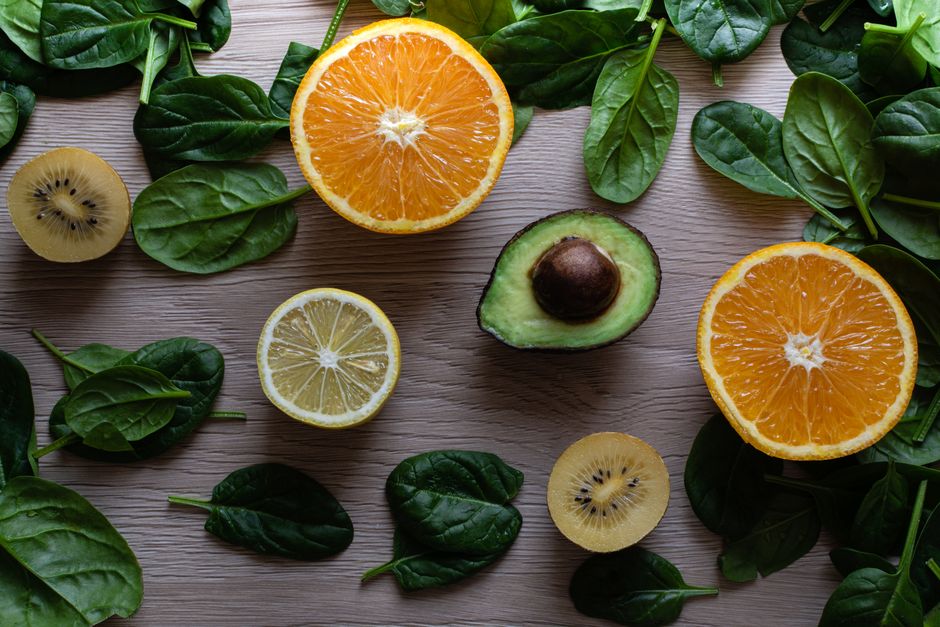
Electrolytes are minerals in your blood, sweat, and urine that carry an electrical charge. They control hydration, nerve signals, and muscle contractions. If you are low, you feel it — fatigue, cramps, headaches, or a racing heart. You can increase them through food and drinks, and the best way is to eat a varied diet rich in whole foods rather than relying on sports drinks or supplements.
What Are Electrolytes and Why Do You Need Them?
Your body needs six main electrolytes: sodium, potassium, calcium, magnesium, chloride, and phosphate. Each one does a specific job. Sodium and chloride control fluid balance. Potassium keeps your heart beating and muscles working. Calcium and magnesium support nerve signaling and bone health.
You lose these minerals every day through sweat, urine, and even breathing. Most people lose enough through normal daily activity that a balanced diet replaces them easily. Heavy exercise, illness with vomiting or diarrhea, and hot weather increase losses. So do some medications, especially diuretics.
When levels drop too far, symptoms appear. Mild deficiency can cause tiredness, muscle twitching, or cramps. Severe deficiency is dangerous and can cause confusion, seizures, or an irregular heartbeat. If you have serious symptoms, seek medical care rather than trying to fix it yourself with food.
How To Increase Electrolytes Foods Drinks Habits?
The most reliable way to increase electrolytes is through food. Whole foods contain electrolytes in forms your body absorbs well. Salty foods raise sodium. Fruits and vegetables provide potassium and magnesium. Dairy and leafy greens give you calcium.
For drinks, water is the base. Plain water does not contain electrolytes, but it helps your body use the ones you eat. Sports drinks contain sodium and potassium, but many also contain significant sugar. Coconut water naturally contains potassium and some sodium, though amounts vary by brand. Oral rehydration solutions — like those sold in pharmacies — are the most precise option when you have lost large amounts of fluid.
Habits matter too. Eating regular meals with vegetables and protein keeps electrolyte intake steady. Salting food to taste is generally fine for healthy people. Drinking when thirsty and drinking more during exercise or heat helps maintain balance. The key habit is consistency — a single high-potassium smoothie does not fix a week of poor eating.
Best Food Sources of Electrolytes
No single food contains all six electrolytes in ideal amounts. Variety is the answer. Here is what each electrolyte looks like in real food:
- Sodium: Table salt, soy sauce, cured meats, broths, and pickled foods. Most people get plenty of sodium without trying.
- Potassium: Bananas, potatoes, sweet potatoes, spinach, avocados, beans, and tomatoes. This is the electrolyte most people fall short on.
- Calcium: Dairy products, fortified plant milks, leafy greens like kale, and canned fish with bones like sardines.
- Magnesium: Nuts, seeds, whole grains, dark chocolate, and leafy greens. Pumpkin seeds and almonds are especially rich.
- Chloride: Table salt and seaweed. It follows sodium in most foods.
- Phosphate: Meat, fish, eggs, dairy, and whole grains. Deficiency is rare in people who eat protein.
Potassium deserves special attention. Many people eat less than the recommended amount, and low potassium is linked to high blood pressure. A medium banana has about 420 mg of potassium. A baked potato with skin has more than double that. A cup of cooked spinach has around 840 mg. These are practical ways to boost intake without supplements.
Drinks That Actually Help
Not all electrolyte drinks are equal. Here is how they compare:
| Drink | Electrolytes Provided | Considerations |
|---|---|---|
| Water | None | Essential but not a source of electrolytes |
| Sports drinks | Sodium, potassium | Often high in sugar; fine for prolonged exercise |
| Coconut water | Potassium, some sodium | Lower sodium than sports drinks; varies by brand |
| Oral rehydration solutions | Sodium, potassium, chloride, glucose | Best for illness or heavy sweat loss; precise formula |
| Milk | Calcium, potassium, sodium, magnesium | Also provides protein and carbohydrates |
Milk is an underrated electrolyte drink. Research has shown it rehydrates as well as sports drinks after exercise because it contains sodium, potassium, and carbohydrates. For everyday hydration, water plus a balanced diet is enough. For endurance exercise lasting over an hour, a sports drink or oral rehydration solution is reasonable.
Be careful with homemade electrolyte drinks. Recipes that mix salt, sugar, and water can work, but getting the proportions wrong can be dangerous, especially for children or older adults. Commercial oral rehydration solutions are safer because they follow a standard formula.
When Do You Actually Need Extra Electrolytes?
Most healthy adults do not need electrolyte supplements or special drinks. Your kidneys are excellent at maintaining balance. If you eat a normal diet, you replace what you lose.
You do need extra in specific situations. Prolonged exercise — especially in heat — increases sweat losses significantly. Illness with vomiting or diarrhea causes rapid loss of fluids and electrolytes. This is particularly dangerous in infants, older adults, and people with chronic conditions. Fever increases fluid loss too.
Some medications change electrolyte balance. Diuretics, commonly prescribed for high blood pressure or heart failure, increase urine output and deplete potassium and magnesium. Certain blood pressure medications, laxatives, and steroids can also affect levels. If you take any of these, ask your doctor whether you need to monitor your electrolytes.
People with kidney disease, heart failure, or liver disease should not increase electrolytes without medical guidance. Extra potassium or sodium can be harmful when organs cannot clear them properly. This is not a situation where more is better.
Signs You Might Be Low
Symptoms of low electrolytes depend on which mineral is deficient and how low the level has dropped. Common signs include:
- Muscle cramps or twitching
- Fatigue or weakness
- Headache
- Nausea
- Irregular heartbeat
- Confusion or irritability
Mild symptoms often respond to food and fluids. If symptoms are severe, persistent, or accompanied by confusion or chest pain, seek emergency care. Blood tests can measure electrolyte levels precisely, and doctors can identify the underlying cause.
One important clarification: muscle cramps during exercise are not always caused by electrolyte deficiency. Dehydration, muscle fatigue, and poor conditioning also contribute. Drinking an electrolyte drink may help, but it is not a guaranteed cure. If cramps happen regularly, review your training, hydration, and overall diet rather than assuming a mineral problem.
Habits That Keep Electrolytes Balanced
Simple daily habits do more than any supplement. Eat vegetables at most meals. Include a source of dairy or fortified plant milk. Snack on nuts or seeds. Cook with salt to taste unless your doctor advises otherwise.
Drink water throughout the day rather than in large amounts at once. Your kidneys process water steadily, and consistent intake supports stable electrolyte levels. During exercise, drink before you feel thirsty — thirst is a lagging indicator of dehydration.
Limit alcohol, especially after exercise or in heat. Alcohol increases urine output and can worsen dehydration. If you do drink, pair it with water and food.
Do not take electrolyte supplements casually. Many are poorly regulated, and the doses vary widely between products. Some contain massive amounts of potassium that can be dangerous for people with kidney issues. Food sources are safer, cheaper, and better absorbed.
Frequently Asked Questions
What is the fastest way to increase electrolytes?
An oral rehydration solution or a sports drink provides electrolytes quickly because they are absorbed directly. Food works too, but digestion takes longer.
Can I drink too many electrolytes?
Yes. Excess potassium or sodium can be dangerous, especially for people with kidney or heart conditions. Healthy kidneys usually clear extra electrolytes, but supplements can overwhelm them.
Are electrolyte powders and tablets as good as food?
They work for specific situations like endurance exercise or illness, but they are not a substitute for a varied diet. Food provides electrolytes alongside other nutrients that matter for health.
Do I need electrolytes if I do not exercise?
Most people get enough from food and water alone. If you eat a normal diet and feel well, you likely do not need extra electrolytes.
