
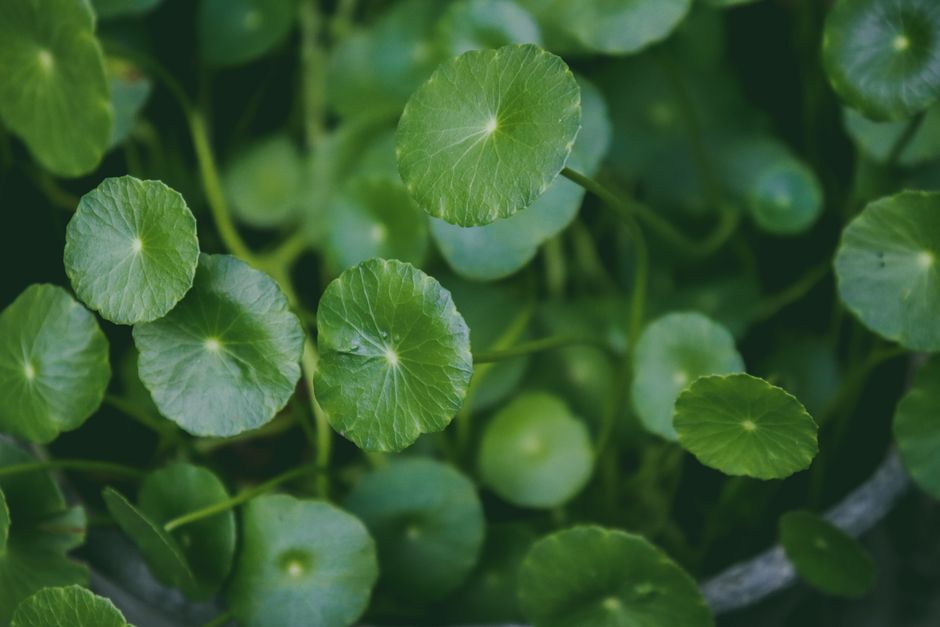
Cilantro is a popular herb, but many people wonder if there is a specific amount they should eat to get health benefits. The honest answer is that no official clinical guidelines exist for a daily dose of cilantro. Research on its health effects is still early, and most studies use concentrated extracts rather than the fresh leaves you buy at the store. That said, eating cilantro as part of a normal diet is safe for most people and adds flavor with very few calories.
What Does the Research Actually Say About Cilantro?
Studies on cilantro have looked at several potential health effects, including blood sugar control, heart health, and its role as an antioxidant. Some research suggests that cilantro may help lower blood sugar levels. However, much of this work has been done in animals or in laboratory settings, not in large human trials.
One area with more consistent findings is cilantro’s ability to support the body’s natural detoxification processes. Cilantro contains compounds that may bind to heavy metals in the body. This has led to interest in cilantro as a potential aid for heavy metal detoxification. The evidence here is limited, and no large human studies have confirmed that eating cilantro significantly removes heavy metals from the body.
What researchers do agree on is that cilantro is rich in plant compounds called polyphenols. These compounds have antioxidant properties. Antioxidants help protect cells from damage caused by unstable molecules called free radicals. This is a well-established mechanism, but it does not mean cilantro alone can prevent or treat any specific disease.
How Much Cilantro Is Safe to Eat Daily?
For most healthy adults, eating cilantro daily in normal food amounts is safe. Normal food amounts might mean a handful of chopped leaves on a salad, a few sprigs in a soup, or a spoonful mixed into a salsa. There is no established upper limit for cilantro consumption because it is generally recognized as safe by food safety authorities.
Some people eat large amounts of cilantro, such as a full bunch blended into a smoothie. This is unlikely to cause harm for most people, but it is not something that has been studied for long-term safety. As with many herbs, the compounds in cilantro are concentrated when you eat more of it. The effects of very high daily intake over months or years are simply not known.
If you are considering eating large amounts of cilantro specifically for a health condition, talk to a doctor first. This is especially important if you take medication, because cilantro may interact with certain drugs, including blood thinners and blood sugar medications.
How Much Cilantro To Eat For Health Benefits: A Practical View
The question of how much cilantro to eat for health benefits does not have a one-size-fits-all answer. Because no clinical guidelines exist, no specific dose can be recommended. What can be said is that adding cilantro regularly to your meals is a reasonable way to include its nutrients in your diet.
A typical serving of fresh cilantro is about one-quarter cup of chopped leaves. This amount provides a small but meaningful source of vitamin K and vitamin C. It also adds flavor that may help you eat more vegetables overall, which is a well-established health benefit.
If you enjoy cilantro, using it daily in cooking is a sensible approach. Think of it as one small part of a diet rich in vegetables, fruits, whole grains, and lean proteins. Cilantro is not a medicine, and it should not replace treatments prescribed by your doctor.





Potential Risks and Side Effects of Eating Cilantro
For most people, cilantro causes no side effects. However, some individuals have a genetic variation that makes cilantro taste like soap. This is a real and well-documented phenomenon. It is harmless, but it can make eating cilantro unpleasant.
Allergic reactions to cilantro are rare but possible. Symptoms may include itching, swelling, or difficulty breathing. If you experience any of these after eating cilantro, stop eating it and seek medical attention.
Cilantro is also high in vitamin K. Vitamin K plays a role in blood clotting. If you take blood-thinning medication such as warfarin, eating large amounts of cilantro could interfere with how your medication works. Keeping your intake consistent from day to day is more important than avoiding cilantro entirely. Talk to your doctor or pharmacist about how much is safe for you.
Fresh Cilantro vs. Cilantro Supplements
Cilantro supplements are available in the form of powders, capsules, and tinctures. These products often claim to support detoxification or heavy metal removal. No large human trials have confirmed these claims. The supplement industry is not tightly regulated, and the amount of active compounds in a capsule may vary widely between brands.
Eating fresh cilantro is generally safer than taking supplements. With food, you get the whole herb along with its fiber and water content. Supplements concentrate certain compounds, which can increase the risk of side effects or interactions. If you are considering a cilantro supplement, discuss it with a healthcare provider first.
There is also a difference between cilantro and coriander. In many countries, cilantro refers to the leaves and stems of the plant, while coriander refers to the seeds. The seeds have a different nutritional profile and different active compounds. Most of the health research on this plant focuses on the leaves, so be clear about which part of the plant you are consuming.
How to Add More Cilantro to Your Meals
Adding cilantro to your diet does not require a complicated plan. Here are simple ways to include it regularly:
- Chop fresh cilantro and stir it into rice or quinoa after cooking.
- Mix cilantro into guacamole, salsa, or yogurt-based dips.
- Add a handful of cilantro leaves to green salads.
- Blend cilantro into smoothies for a fresh flavor.
- Use cilantro as a garnish for soups, curries, and grilled meats.
- Make a simple sauce by blending cilantro with garlic, olive oil, and lemon juice.
Fresh cilantro does not last long in the refrigerator. To keep it fresh, trim the stems and place the bunch in a glass of water, then cover it loosely with a plastic bag. Change the water every couple of days. You can also freeze chopped cilantro in ice cube trays with a little water or oil for later use.
What Cilantro Does Not Do
It is important to be honest about what cilantro cannot do. Cilantro is not a cure for any disease. It does not replace medical treatment for diabetes, heart disease, or heavy metal poisoning. No credible study has shown that eating cilantro alone can treat these conditions.
Be cautious of online claims that cilantro can “detoxify” your body in dramatic ways. Your liver and kidneys are the organs primarily responsible for removing waste and toxins. No food, including cilantro, can replace their function. A healthy diet supports these organs, but it does not override them.
Some sources claim cilantro can kill harmful bacteria or parasites. While some laboratory studies have shown antibacterial properties in cilantro extracts, this does not mean eating cilantro will fight an infection in your body. The concentration of active compounds in a laboratory dish is far higher than what you get from eating the herb.
Frequently Asked Questions
Can I eat cilantro every day?
Yes, eating cilantro daily in normal food amounts is safe for most healthy adults. No official guidelines limit daily intake, but very large amounts have not been studied for long-term safety.
Does cilantro remove heavy metals from the body?
Some laboratory research suggests cilantro compounds may bind to heavy metals, but no large human studies have confirmed this effect. Eating cilantro should not be used as a treatment for heavy metal exposure.
Is cilantro safe for people on blood thinners?
Cilantro is high in vitamin K, which can affect blood clotting. If you take blood-thinning medication, keep your cilantro intake consistent and talk to your doctor about how much is safe for you.
What is the best way to eat cilantro for health?
Eating fresh cilantro as part of regular meals is the most practical approach. There is no established dose, so using it in cooking is a reasonable way to include its nutrients in your diet.
