
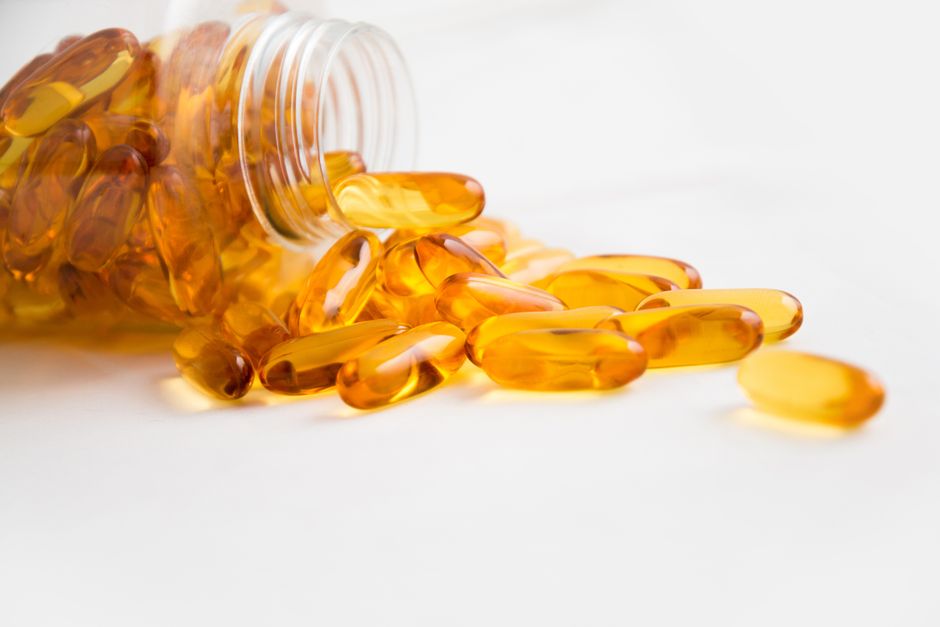
Vitamin A is a fat-soluble vitamin that your body needs for vision, immune function, and the health of your skin and organs. It is not a single substance but a group of compounds, including retinol, retinal, and retinoic acid, which are found in animal foods, plus provitamin A carotenoids like beta-carotene from plants. Getting enough vitamin A supports your eyes, helps your immune system fight infections, and keeps your skin and mucous membranes working properly.
How Does Vitamin A Support Vision?
Vitamin A is essential for eyesight, particularly for seeing in low light. The retina of the eye uses retinal, a form of vitamin A, to make rhodopsin, a pigment that lets your eyes adapt from bright light to darkness. Without enough vitamin A, this adaptation slows down and night vision suffers.
Severe vitamin A deficiency can lead to xerophthalmia, a condition that starts with dry eyes and can progress to corneal damage and blindness. This is rare in the United States but remains a major cause of preventable blindness in parts of the developing world.
Age-related macular degeneration is a different condition, but some research suggests that certain carotenoids, including beta-carotene, may play a role in eye health. The Age-Related Eye Disease Study, known as AREDS, found that a specific combination of antioxidants including beta-carotene reduced the risk of advanced macular degeneration in people with intermediate disease. That formula was designed for people with existing disease, not for general prevention.
What Does Vitamin A Do For The Immune System?
Vitamin A is often called the anti-inflammation vitamin, but that undersells its role. It helps maintain the integrity of your skin and the linings of your respiratory, digestive, and urinary tracts. These surfaces are your first line of defense against bacteria and viruses.
When those barriers are weak, pathogens have an easier path into your body. Vitamin A also supports the production and function of white blood cells, including lymphocytes, which help identify and destroy invaders.
Research consistently shows that vitamin A deficiency increases the severity of infections, particularly measles and diarrheal diseases in children. The World Health Organization recommends vitamin A supplementation for children in areas where deficiency is common because it reduces the risk of death from these infections.
For generally healthy adults with adequate vitamin A status, taking extra vitamin A does not appear to boost immunity beyond normal levels. Your body needs enough, but more is not better.
How Does Vitamin A Affect Skin Health?
Vitamin A regulates the life cycle of skin cells. It helps skin cells mature properly and supports the production of sebum, the oily substance that keeps skin moisturized. Retinoids, which are chemical derivatives of vitamin A, are among the most studied treatments for acne and other skin conditions.
Prescription retinoids like tretinoin are applied topically to treat acne and reduce fine lines. Isotretinoin, an oral retinoid, is reserved for severe cystic acne because it has significant side effects. These are medications, not dietary supplements, and they work differently from eating vitamin A-rich foods.
Your skin also depends on vitamin A for wound healing. When skin is damaged, retinoic acid helps coordinate the repair process. Some research suggests that people with low vitamin A levels may have slower wound healing, though this is not a common problem in well-nourished populations.





What Are The Best Food Sources Of Vitamin A?
Vitamin A comes in two main forms from food. Preformed vitamin A, called retinol, comes from animal sources. Provitamin A carotenoids, like beta-carotene, come from plants and your body converts them into retinol.
Animal sources of preformed vitamin A include:
- Beef liver and other organ meats
- Fish, especially fatty fish like salmon
- Eggs
- Dairy products like milk and cheese
Plant sources of provitamin A carotenoids include:
- Sweet potatoes
- Carrots
- Dark leafy greens like spinach and kale
- Butternut squash
- Red bell peppers
- Mangoes and cantaloupe
The conversion of beta-carotene to retinol is not perfectly efficient. It takes roughly 12 micrograms of beta-carotene from food to produce 1 microgram of retinol. This conversion rate varies from person to person and depends on your overall diet and health.
How Much Vitamin A Do You Need Each Day?
The National Academies of Sciences, Engineering, and Medicine sets the Recommended Dietary Allowance, or RDA, for vitamin A. For adult men, the RDA is 900 micrograms of retinol activity equivalents, or RAE, per day. For adult women, it is 700 micrograms RAE per day.
During pregnancy, the recommendation rises slightly to 770 micrograms RAE daily. While breastfeeding, it increases to 1,300 micrograms RAE daily because vitamin A passes into breast milk.
The Tolerable Upper Intake Level, the maximum daily amount unlikely to cause harm, is 3,000 micrograms of preformed vitamin A per day for adults. This limit applies to retinol from animal foods and supplements, not to beta-carotene from plants. Your body regulates beta-carotene conversion, and excess beta-carotene is not associated with the same toxicity risk.
Most Americans get enough vitamin A from their diet. Deficiency is uncommon in the United States, though it can occur in people with certain digestive disorders that impair fat absorption, such as celiac disease, Crohn’s disease, or after bariatric surgery.
Can You Take Too Much Vitamin A?
Yes, and vitamin A toxicity is a real concern. Because vitamin A is fat-soluble, your body stores excess amounts in the liver. It does not flush out through urine like water-soluble vitamins do.
Chronic toxicity develops when someone regularly consumes more than the upper limit of 3,000 micrograms RAE per day. Symptoms include nausea, headaches, dizziness, blurred vision, and eventually liver damage and bone pain. This usually comes from high-dose supplements or eating very large amounts of liver regularly, not from a normal diet.
Acute toxicity can occur from a single very large dose, but this is rare. It causes symptoms like vomiting, headache, and in severe cases, neurological problems.
Beta-carotene from food does not cause vitamin A toxicity. The worst outcome from eating large amounts of beta-carotene-rich foods is carotenemia, a harmless condition where your skin turns slightly orange or yellow. It fades when you reduce your intake.
Pregnant women need to be especially careful. High doses of preformed vitamin A can cause birth defects. Prenatal vitamins typically contain a safe amount, but taking additional vitamin A supplements during pregnancy is not recommended unless a doctor specifically advises it.
Should You Take A Vitamin A Supplement?
For most healthy adults, a vitamin A supplement is unnecessary. Your diet almost certainly provides enough, and supplements add risk without clear benefit. If you eat a varied diet that includes vegetables, fruits, dairy, and protein, your vitamin A needs are likely met.
People who might benefit from supplementation include those with diagnosed deficiency, people with fat malabsorption conditions, and children in regions where deficiency is widespread. These situations are managed by healthcare providers who can order blood tests and prescribe appropriate doses.
Some multivitamins contain vitamin A. If you take one, check the label to see how much preformed vitamin A it provides. Combine that with your dietary intake and make sure the total stays below 3,000 micrograms RAE per day.
No clinical evidence currently supports taking high-dose vitamin A supplements to prevent colds, improve skin, or boost immunity in people who are not deficient. Marketing claims that suggest otherwise are not backed by research.
Who Is At Risk For Vitamin A Deficiency?
Vitamin A deficiency is rare in the United States, but certain groups face higher risk. People with conditions that affect fat absorption are at the top of the list. This includes those with celiac disease, Crohn’s disease, pancreatic insufficiency, or people who have had weight loss surgery.
People who follow very restrictive diets may also fall short. A vegan diet can provide plenty of beta-carotene, but conversion efficiency varies. Older adults sometimes have lower intake and reduced absorption.
Alcoholism increases risk because alcohol interferes with vitamin A storage and metabolism. People with chronic liver disease may have depleted vitamin A stores even with adequate intake.
If you fall into one of these categories, ask your doctor about checking your vitamin A status. A blood test for serum retinol can tell you whether your levels are within normal range.
Frequently Asked Questions
What happens if you do not get enough vitamin A?
Night blindness is often the first sign, followed by dry eyes and increased susceptibility to infections. Severe deficiency can lead to corneal damage and permanent blindness.
Is it better to get vitamin A from food or supplements?
Food is the better choice because it provides vitamin A alongside other nutrients and eliminates toxicity risk. Supplements are only appropriate when a deficiency has been diagnosed or a doctor recommends them.
Can vitamin A help with acne?
Prescription retinoid medications derived from vitamin A are proven treatments for acne. Dietary vitamin A does not treat acne, and taking high-dose supplements for skin conditions is not supported by evidence.
Does cooking destroy vitamin A in foods?
Some vitamin A is lost with heat, but cooking can also make beta-carotene easier for your body to absorb. Light steaming or roasting vegetables preserves more nutrients than boiling them in large amounts of water.
