
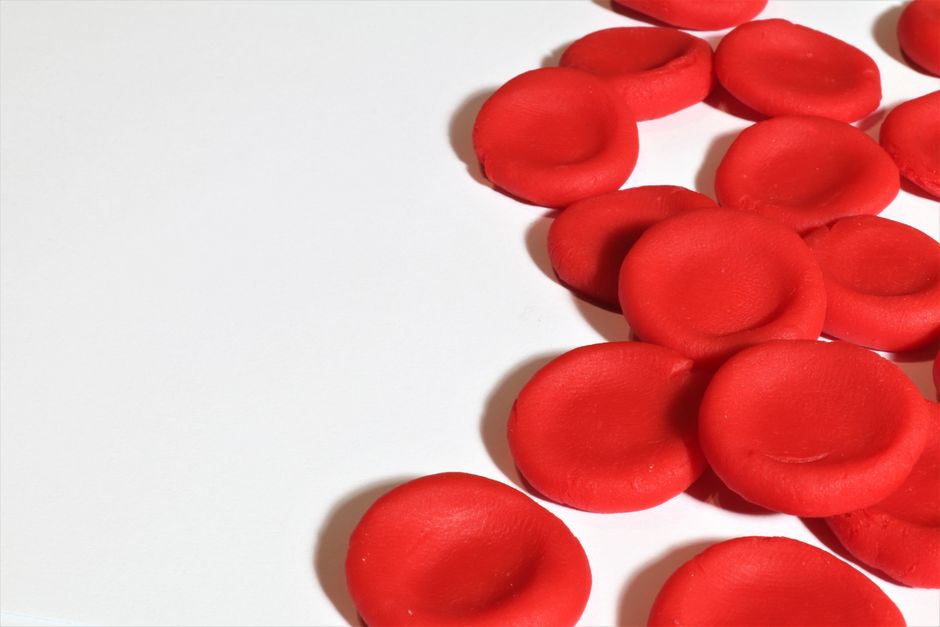
Hemoglobin is the protein in red blood cells that carries oxygen from your lungs to every part of your body. When your hemoglobin is low, you feel tired, weak, and short of breath because your tissues are not getting enough oxygen. The most reliable way to improve hemoglobin is to address the underlying cause, which is most often an iron deficiency, and to increase your intake of iron and the nutrients that help your body use it. For most people, this means eating more iron-rich foods, pairing them with vitamin C, and checking with a doctor to find out exactly why your levels dropped in the first place.
What Causes Low Hemoglobin?
Low hemoglobin is not a disease itself. It is a sign that something else is going on. The most common cause worldwide is iron deficiency, but it is not the only cause.
Your body needs iron to build hemoglobin. If you do not eat enough iron, or if your body cannot absorb it properly, your hemoglobin will fall. Heavy menstrual bleeding, internal bleeding, and digestive conditions like celiac disease or Crohn’s disease can all cause iron loss or poor absorption.
Other causes include vitamin B12 or folate deficiency, chronic kidney disease, and inherited conditions like sickle cell disease or thalassemia. Pregnancy also commonly lowers hemoglobin because your blood volume expands and your body needs more iron to support the baby.
This is why the first step is never guessing. A simple blood test tells you your hemoglobin level, and your doctor can run additional tests to check your iron stores, B12, and folate. Treating the wrong deficiency will not raise your hemoglobin no matter how hard you try.
How To Improve The Hemoglobin Through Diet
Diet is the foundation for most people trying to raise their hemoglobin. But not all iron is the same, and how you eat it matters just as much as what you eat.
There are two types of dietary iron. Heme iron comes from animal sources like red meat, poultry, and fish. Your body absorbs heme iron much more easily. Non-heme iron comes from plant sources like beans, lentils, spinach, and fortified cereals. Your body absorbs less of it, but you can improve that absorption with a simple trick.
Vitamin C dramatically improves non-heme iron absorption. Eating citrus fruits, tomatoes, bell peppers, or strawberries alongside iron-rich plant foods can double or triple how much iron your body takes in. For example, add lemon juice to your spinach salad or eat an orange with your lentil soup.
Some foods block iron absorption. Calcium is the biggest culprit. Dairy products, calcium supplements, and even calcium-fortified juices can interfere with iron uptake when eaten at the same meal. Tea and coffee contain tannins that also reduce absorption. The practical fix is timing. Eat your iron-rich meal first, then wait one to two hours before having dairy, tea, or coffee.
Good food sources of heme iron include lean beef, lamb, liver, and chicken. Good non-heme sources include lentils, chickpeas, kidney beans, tofu, pumpkin seeds, and dark leafy greens like spinach and kale. Breakfast cereals and oatmeal are often fortified with iron, which can be a reliable source if you check the label.
Do You Need An Iron Supplement?
Diet alone often cannot fix a significant iron deficiency. If your blood tests show low ferritin, which is your body’s stored iron, your doctor will likely recommend an iron supplement. This is the fastest way to rebuild your iron stores and raise your hemoglobin.
Oral iron supplements are available over the counter, but you should not guess at the dose. Taking too much iron causes constipation, nausea, and stomach pain. In rare cases, iron overload can damage your organs. The right dose depends on your age, sex, and how deficient you are. Your doctor can tell you exactly how much to take and for how long.
Iron supplements work best on an empty stomach, but many people cannot tolerate that. If iron upsets your stomach, take it with a small amount of food. Avoid taking it with dairy, tea, or coffee. Taking it with vitamin C, either as a supplement or a glass of orange juice, improves absorption.
Do not take iron supplements with other medications without checking with your doctor. Iron interferes with the absorption of thyroid medication, certain antibiotics, and drugs used for Parkinson’s disease. Your doctor can help you schedule your doses so they do not conflict.
Liquid iron supplements exist as an alternative for people who cannot swallow pills, but they can stain your teeth. Taking them through a straw and rinsing your mouth afterward helps.





Other Nutrient Deficiencies That Affect Hemoglobin
Iron is not the only nutrient your body needs to make hemoglobin. If you are deficient in vitamin B12 or folate, your red blood cells cannot mature properly. This causes a different type of anemia, and taking iron will not help.
Vitamin B12 is found almost exclusively in animal products. Meat, fish, eggs, and dairy are good sources. Strict vegetarians and vegans are at higher risk for B12 deficiency and often need a supplement. Older adults also absorb B12 less efficiently as they age.
Folate, also called vitamin B9, is found in leafy green vegetables, beans, and citrus fruits. Pregnant women need extra folate to prevent birth defects, which is why prenatal vitamins contain it. A folate deficiency causes anemia just like B12 deficiency does.
A blood test that measures your B12 and folate levels can tell you if these are contributing to your low hemoglobin. If they are, your doctor will recommend specific supplements. Never assume that more iron fixes every type of anemia.
When To See A Doctor About Low Hemoglobin
You should not try to diagnose or treat low hemoglobin entirely on your own. A blood test is the only way to know your actual level. Normal hemoglobin ranges vary by age and sex, but in general, levels below 13.5 grams per deciliter for men and below 12 grams per deciliter for women are considered low.
See a doctor if you have symptoms of anemia. These include persistent fatigue, weakness, pale skin, cold hands and feet, dizziness, shortness of breath, and an irregular heartbeat. These symptoms can also indicate other serious conditions, so a medical evaluation is important.
If your hemoglobin is dangerously low, your doctor may recommend more aggressive treatment. Intravenous iron is an option for people who cannot absorb oral iron or who lose blood faster than they can replace it. Blood transfusions are reserved for severe, life-threatening anemia. These are decisions that only a doctor can make based on your specific situation.
Never ignore very low hemoglobin. Levels below 7 grams per deciliter require urgent medical attention. If you experience chest pain, severe shortness of breath, or fainting, seek emergency care immediately.
How Long Does It Take To Raise Hemoglobin?
Raising hemoglobin takes time, and the timeline depends on the cause and the treatment. If you have iron deficiency anemia and you start taking iron supplements as directed, you may notice symptom improvement within one to two weeks. However, your hemoglobin levels typically take four to eight weeks to return to normal.
Your doctor will likely recheck your blood after about four weeks to see if the treatment is working. If your hemoglobin has not improved, that is a signal that something else is going on. It may mean you are still losing blood, you are not absorbing the iron, or the diagnosis is wrong.
Even after your hemoglobin normalizes, you may need to continue iron supplements for several more months. This rebuilds your body’s iron stores, which is important because your hemoglobin will drop again once your stored iron runs out. Follow your doctor’s instructions about when to stop.
Dietary changes alone are slower. If you are only mildly deficient, improving your diet and iron absorption habits can raise your hemoglobin gradually over several months. But if you are significantly deficient, supplements are almost always necessary to achieve a meaningful improvement in a reasonable timeframe.
Frequently Asked Questions
What foods raise hemoglobin the fastest?
Red meat, liver, and fish provide heme iron that your body absorbs most efficiently. Pairing iron-rich foods with vitamin C sources like oranges or bell peppers maximizes absorption.
Can drinking beetroot juice increase hemoglobin?
Some research suggests beetroot juice may support hemoglobin levels because it contains iron and other nutrients. The evidence is limited, and no large human trials have confirmed that beetroot juice alone meaningfully raises hemoglobin.
Is it safe to take iron supplements without a blood test?
No, it is not safe to guess. Taking unnecessary iron can cause constipation, nausea, and, in rare cases, iron overload that damages organs. A simple blood test tells you whether you actually need supplements.
Can exercise improve hemoglobin levels?
Regular exercise can improve your body’s oxygen efficiency, but it does not directly increase hemoglobin production. If you are anemic, intense exercise may actually make fatigue worse until the underlying deficiency is corrected.
