
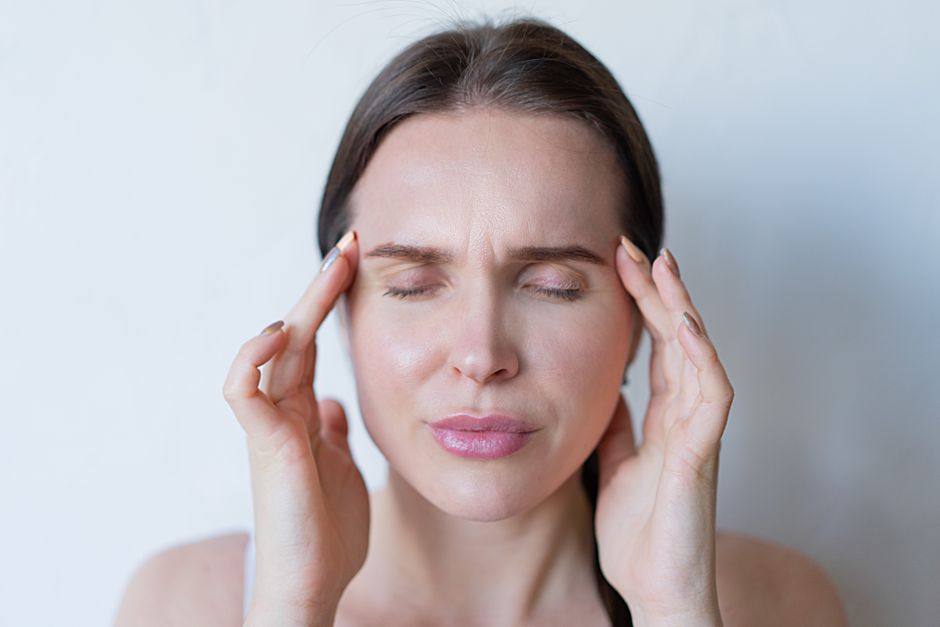
Some people handle a packed schedule and a surprise bill without breaking a sweat. Others feel overwhelmed by a single rude comment or a minor change in plans. If you fall into the second group, you are not imagining things. Stress sensitivity is a real physiological trait, and it varies from person to person for reasons that go far beyond personality.
Your sensitivity to stress is shaped by your nervous system, your genes, your life history, and even your current physical health. Some of these factors are fixed. Many are not. Understanding which ones are driving your reactions is the first step toward managing them effectively rather than just feeling bad about feeling bad.
What Does Being Sensitive To Stress Actually Mean?
Stress sensitivity is not the same as having a bad day or being dramatic. It describes how quickly your body enters a stress response and how slowly it returns to baseline after the threat passes.
Your body has a built-in alarm system called the sympathetic nervous system. When it detects a challenge, it releases adrenaline and cortisol. These hormones raise your heart rate, sharpen your focus, and prepare your muscles to act. This is the fight-or-flight response, and it is essential for survival.
In a person with high stress sensitivity, this alarm goes off more easily. It may trigger in response to situations that are not actually dangerous, like an email from a boss or a crowded grocery store. It also takes longer to switch off once it starts. The result is that you spend more time in a state of physiological alert, which feels exhausting and can wear on your health over time.
Why Am I So Sensitive To Stress Causes Explained
There is no single cause for high stress sensitivity. It comes from a combination of factors that stack on top of each other. Here are the most well-documented contributors.
Genetics play a real role. Some people inherit variations in genes that regulate the stress response, particularly those involved in serotonin transport and cortisol production. These genetic differences do not doom you to a life of anxiety, but they do set your baseline reactivity higher or lower.
Early life experiences shape your stress system. Childhood adversity, including neglect, abuse, or even just chronic unpredictability, can alter how your stress response develops. Research consistently shows that children who grow up in chaotic environments often have a more reactive stress system as adults. This is not a choice or a character flaw. It is a physiological adaptation that outlived its usefulness.
Your current stress load matters. If you are already running on empty, small stressors feel huge. This is called allostatic load, which is the cumulative wear and tear of chronic stress on your body. When your system is already taxed, your threshold for new stress drops dramatically.
Sleep deprivation amplifies reactivity. Studies have found that even partial sleep loss increases activity in the amygdala, the brain region that processes threats. A tired brain is a more reactive brain. If you are sleeping poorly, your stress sensitivity will rise even if nothing else changes.
Certain personality traits correlate with higher sensitivity. People who score high on neuroticism, which is the tendency to experience negative emotions, tend to have stronger stress reactions. This is partly genetic and partly shaped by experience. It is not a verdict on your character. It is a description of your baseline.
How Stress Sensitivity Affects Your Body
Stress sensitivity is not just an emotional experience. It has measurable physical effects, and they go beyond feeling jittery or tense.
When your stress response activates frequently, your body stays in a state of elevated cortisol. Over time, this can affect your sleep, your digestion, and your immune function. Some research suggests that chronic stress exposure is linked to higher rates of cardiovascular disease, though the exact mechanisms are still being studied.
You may also notice physical symptoms during stressful moments. Rapid heartbeat, shallow breathing, tense muscles, and stomach discomfort are all direct results of the stress response. These are not psychosomatic in the dismissive sense of the word. They are genuine physiological reactions driven by your nervous system.
One important detail many people miss is that stress sensitivity can show up as irritability or anger rather than anxiety. If you find yourself snapping at loved ones over small things, that can be a stress response too. The emotion you feel on the surface may not match what your body is doing underneath.





Is High Stress Sensitivity The Same As An Anxiety Disorder?
No. They are related, but they are not the same thing.
Stress sensitivity is a trait. It describes how reactive your stress system is. An anxiety disorder is a clinical condition with specific diagnostic criteria, including persistent worry that is difficult to control and that interferes with daily functioning.
You can have high stress sensitivity without meeting the criteria for an anxiety disorder. You can also have an anxiety disorder with a relatively calm baseline stress response. That said, high stress sensitivity is a risk factor for developing anxiety and depression. If your stress system is constantly firing, you are more likely to experience the emotional symptoms that come with those conditions.
If your sensitivity is causing significant distress or interfering with your ability to work, sleep, or maintain relationships, it is worth talking to a healthcare provider. They can help you determine whether you are dealing with a trait, a disorder, or both.
What Can You Actually Do About It?
You cannot change your genes, and you cannot rewrite your childhood. But you can change how your stress system operates day to day. The evidence for this is solid.
Regular aerobic exercise is one of the most effective tools. Research consistently shows that exercise improves the regulation of the stress response. It does not eliminate stress. It makes your system more resilient so that the same stressor produces a smaller reaction.
Sleep is non-negotiable. If you are sleep deprived, your stress sensitivity will stay elevated no matter what else you do. Prioritizing consistent sleep is not a luxury. It is a direct intervention on your stress system.
Breathing techniques genuinely work. Slow, deep breathing activates the parasympathetic nervous system, which is the brake on your stress response. A simple practice of breathing in for four counts and out for six counts for a few minutes can lower your heart rate and reduce the intensity of a stress reaction. This is not a placebo. It is a documented physiological mechanism.
Cognitive behavioral therapy has strong evidence behind it. Therapy does not change your baseline sensitivity, but it changes how you interpret and respond to stressors. Over time, this can reduce the frequency and intensity of your stress reactions. Some research suggests that therapy can even produce lasting changes in how your brain processes threats.
Mindfulness-based practices show moderate benefits. The evidence is not as strong as it is for exercise and therapy, but several studies indicate that regular mindfulness practice is associated with lower stress reactivity. If it appeals to you, it is worth trying. If it does not, there are other paths.
What Does Not Help?
There is a lot of marketing noise around stress management, and some of it is actively unhelpful.
Supplements marketed for stress relief have very limited evidence behind them. Some, like ashwagandha, have small studies suggesting benefit, but the research is nowhere near strong enough to call them a reliable treatment. No supplement has been shown to reset your stress response. If a product promises to do so, treat that claim with deep skepticism.
Alcohol is not a stress management tool. It may feel like it relaxes you in the moment, but it disrupts sleep and can increase anxiety as it wears off. The net effect on your stress system is negative.
Distraction through endless scrolling or television does not reduce stress sensitivity. It postpones the stress response. Your system stays primed, and the next stressor hits just as hard.
When To Seek Professional Help
High stress sensitivity is manageable, but it is not always something you can handle alone. Consider talking to a healthcare provider if you experience any of the following.
- Your stress reactions are causing physical symptoms like chest pain, shortness of breath, or severe headaches.
- You are avoiding normal activities because they feel overwhelming.
- You are using alcohol or other substances to cope.
- Your sleep is consistently poor despite your best efforts.
- You feel hopeless about your ability to manage stress.
A healthcare provider can rule out underlying medical conditions that might be contributing to your sensitivity. Thyroid problems, hormonal changes, and certain nutritional deficiencies can all amplify stress reactions. Treating those underlying issues can sometimes reduce your sensitivity significantly.
There is no shame in needing help. Stress sensitivity is a physiological condition, not a personal failing. Treating it with the same seriousness you would treat any other health condition is the most sensible approach.
Frequently Asked Questions
Can stress sensitivity be genetic?
Yes, genetics contribute to how reactive your stress response is, but they are not the whole story. Life experiences and current health also play major roles, which means your sensitivity can change over time.
Is being sensitive to stress a sign of weakness?
No. It is a physiological trait shaped by your nervous system, genes, and life experiences. It has nothing to do with character or willpower.
Can you reduce your sensitivity to stress?
Yes, to a meaningful degree. Regular exercise, consistent sleep, and cognitive behavioral therapy have the strongest evidence for improving stress regulation.
When should I see a doctor about stress sensitivity?
See a doctor if stress causes physical symptoms like chest pain, if you are avoiding daily activities, or if you are using alcohol to cope. These signs suggest your stress system needs more support than self-management alone can provide.
