
Why Do Mosquitoes Bite Some People More Than Others?
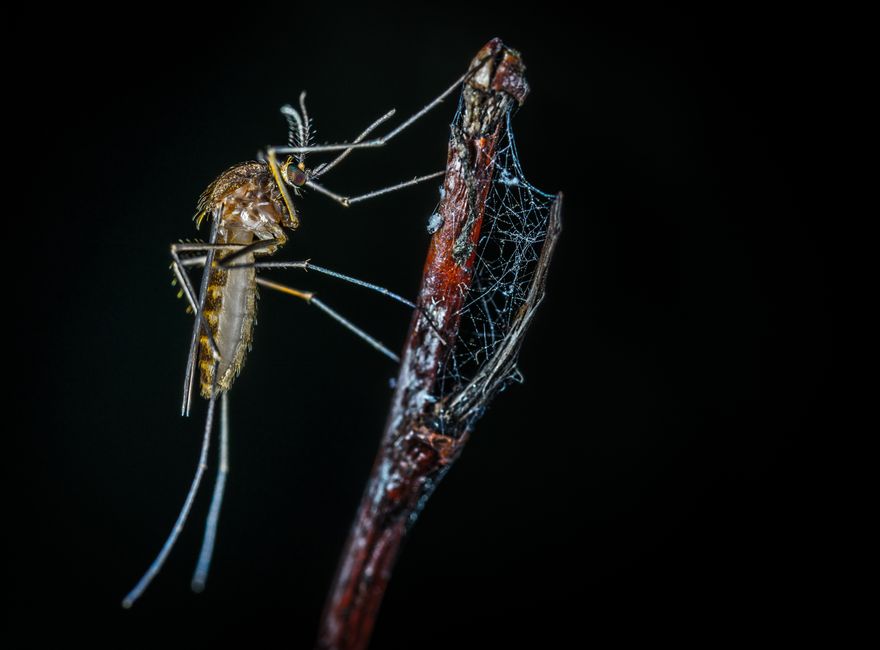
Mosquitoes do not bite everyone equally. Research shows they are drawn to certain signals your body gives off. Carbon dioxide is the main one — you exhale it with every breath. Mosquitoes can sense CO2 from over 30 feet away.
Your body heat and sweat also matter. People who run hotter or sweat more produce more lactic acid, ammonia, and other compounds that attract mosquitoes. Studies have found that blood type O is more attractive to mosquitoes than type A or B. Genetics play a large role too. About 20 percent of people are naturally more attractive to mosquitoes than the rest.
There is not much you can do about your genetics or blood type. But knowing you are a target can help you stay consistent with protection.
Which Mosquito Repellents Actually Work?
The CDC and EPA agree on four active ingredients that work. These are the ones to look for on a product label.
DEET is the most studied repellent in the world. It has been used for decades and works against mosquitoes, ticks, and other biting insects. Concentrations of 20 to 30 percent provide several hours of protection. Higher concentrations last longer but do not work better.
Picaridin is a newer option that works as well as DEET. It feels lighter on the skin and does not have a strong smell. Many people prefer it for daily use. The CDC recommends picaridin at 20 percent concentration.
Oil of lemon eucalyptus (OLE) is a plant-based repellent the CDC lists as effective. It is not the same as pure lemon eucalyptus essential oil. The refined version provides protection similar to low-concentration DEET. Do not use it on children under three years old.
IR3535 is another EPA-approved option. It is found in many brands and works well for mosquito protection.
Natural repellents like citronella, peppermint oil, and lavender have some effect but are much weaker. Research published in the Journal of Insect Science found that citronella candles reduced bites by only about 42 percent. DEET-based products reduce bites by over 95 percent when used correctly.
Does Wearing Certain Clothing Help?
Yes, clothing is one of the most underused tools for avoiding mosquito bites. Mosquitoes can bite through thin fabric. The key is to make it hard for them to reach your skin.
Wear long sleeves and long pants when you are outside during peak mosquito hours — dawn and dusk. Light-colored clothing is better than dark colors. Mosquitoes are attracted to dark silhouettes. White, beige, and light gray make you less visible to them.
Tight clothing is not ideal. Mosquitoes can bite through spandex and yoga pants. Loose-fitting clothes create a barrier. The fabric does not press against your skin, so the mosquito has a harder time reaching you.
You can also treat clothing with permethrin. Permethrin is an insecticide that kills mosquitoes on contact. It stays on fabric through multiple washes. The EPA considers treated clothing safe when used as directed. You can buy pre-treated clothing or spray it yourself. Do not apply permethrin directly to your skin.





How Can You Mosquito-Proof Your Home and Yard?
Mosquitoes breed in standing water. A female mosquito lays eggs in as little as a bottle cap of water. Within a week, those eggs become biting adults. Eliminating water sources is the most effective long-term strategy.
Walk around your property once a week. Look for anything that holds water. Common problem spots include flower pot saucers, clogged gutters, bird baths, kids’ toys, and tarps. Empty them or dump the water out. For bird baths, change the water every three to four days.
Keep your grass cut short and trim bushes. Mosquitoes rest in tall grass and shaded areas during the heat of the day. Removing these hiding spots makes your yard less inviting.
Fans help too. Mosquitoes are weak fliers. A strong breeze from a box fan on your porch or patio keeps them away. Studies show that wind speeds above 1 mile per hour significantly reduce mosquito landings. Most household fans blow at 5 to 10 miles per hour, which is more than enough.
Professional yard sprays can reduce mosquito populations for weeks. But they also kill bees and other beneficial insects. Use them sparingly and only when necessary.
| Method | Effectiveness | Duration | Best For |
|---|---|---|---|
| DEET repellent (20-30%) | Very high | 4-6 hours | Outdoor activities |
| Picaridin repellent (20%) | Very high | 4-6 hours | Daily use, sensitive skin |
| Oil of lemon eucalyptus | High | 2-4 hours | Plant-based preference |
| Permethrin-treated clothing | Very high | Multiple washes | Hiking, camping |
| Fans (outdoor use) | Moderate to high | While running | Patios, decks |
| Citronella candles | Low to moderate | 1-2 hours | Small gatherings |
| Removing standing water | High (long-term) | Ongoing | Yard maintenance |
What Are Common Mistakes People Make With Mosquito Repellent?
Most people do not apply repellent correctly. They spray it once and expect it to last all evening. That is not how it works.
Repellent needs to cover all exposed skin. Mosquitoes will find the one spot you missed. Apply it evenly and reapply according to the label. Sweat, swimming, and humidity all reduce how long it lasts.
Do not spray repellent directly on your face. Spray it on your hands first, then rub it on your face carefully. Avoid your eyes and mouth.
Another common mistake is relying on wristbands or ultrasonic devices. The Federal Trade Commission has warned companies that sell these products. There is no solid evidence that sonic repellent devices work. Wristbands treated with repellent may offer limited protection but only right around the band itself. They do not protect your whole body.
Bug zappers are also ineffective against mosquitoes. Research has shown that less than one percent of the insects killed by zappers are female mosquitoes. The rest are harmless bugs. Zappers can actually make things worse by attracting mosquitoes to your yard.
How To Avoid Mosquito Bites While Sleeping or Traveling
Mosquitoes are most active at night in many parts of the world. Sleep protection matters.
Use a mosquito net over your bed if you are in an area with high mosquito activity or disease risk. The net should be treated with insecticide for best results. Tuck it under the mattress so no gaps remain. Check for holes before using.
Air conditioning also works. Mosquitoes struggle in cool, dry environments. Sleeping in a room with AC or a fan significantly reduces bites. Keep windows closed or use screens.
When traveling to tropical or subtropical regions, check the CDC travel notices for your destination. Some areas have outbreaks of dengue, malaria, or chikungunya. Pack repellent with DEET or picaridin. Bring permethrin spray for your clothes if you plan to spend time outdoors.
Do not assume that hotels or resorts are mosquito-free. Standing water in landscaping and open-air lobbies can harbor mosquitoes. Use your repellent every day, even if you do not see many bugs.
What To Do If You Get Bitten Anyway
Even with the best prevention, bites happen. The goal is to stop the itch and prevent infection.
Wash the bite with soap and water. This removes dirt and reduces the risk of infection. Apply an ice pack for 10 minutes to reduce swelling. You can use over-the-counter creams like hydrocortisone or calamine lotion to relieve itching.
Oral antihistamines like cetirizine or loratadine help if you have multiple bites or a strong reaction. Do not scratch. Scratching breaks the skin and can lead to bacterial infections like cellulitis.
Some people report that heat pens or baking soda paste help. Evidence for these is weak. Stick with methods that have research behind them.
If the bite becomes red, warm, or starts oozing pus, see a doctor. That is a sign of infection. If you develop fever, headache, or body aches after a mosquito bite, seek medical care. These could be early signs of a mosquito-borne illness.
Frequently Asked Questions
What is the best mosquito repellent for sensitive skin?
Picaridin at 20 percent is the best option for sensitive skin. It is less irritating than DEET and has no strong odor.
Does eating garlic or taking vitamin B prevent mosquito bites?
No. There is no clinical evidence that garlic or vitamin B supplements repel mosquitoes. This is a common myth with no scientific support.
Can mosquitoes bite through jeans?
Yes, if the fabric is tight against your skin. Loose-fitting jeans provide better protection than thin or tight clothing.
How long does DEET last on skin?
A 20 to 30 percent DEET product lasts about four to six hours. Higher concentrations last longer but do not work any better.
