

Your gut health affects more than digestion. It influences your mood, immune system, and even your weight. Improving it starts with small, daily choices that support the trillions of bacteria living in your digestive tract. Research shows that eating more fiber, adding fermented foods, reducing stress, and getting enough sleep are the most effective steps you can take today. These changes are backed by studies and do not require expensive supplements.
What Does Improving Gut Health Actually Mean?
Your gut contains about 100 trillion bacteria, viruses, and fungi. This collection is called the gut microbiome. A healthy microbiome has a wide variety of beneficial bacteria. When this balance is off, it can lead to bloating, irregular bowel movements, fatigue, and even skin issues.
Improving gut health means creating conditions where good bacteria thrive. It is not about killing all bacteria. It is about feeding the right ones and limiting things that harm them. The gut lining also matters. A healthy gut lining acts as a barrier. It keeps harmful substances out while allowing nutrients in. When this barrier weakens, some people call it a “leaky gut.” This is a real condition, though its role in many diseases is still debated.
The goal is a diverse and stable microbiome. Diversity means having many different types of bacteria. Studies have found that people with more diverse gut bacteria tend to have better overall health. You want to aim for that diversity through diet and lifestyle, not through a single pill.
How Does Diet Affect Gut Health?
Diet is the single biggest factor in gut health. What you eat directly feeds your gut bacteria. The best foods for gut health are high in fiber. Fiber is plant material that your body cannot digest. But your gut bacteria can. They ferment fiber and produce short-chain fatty acids. These fatty acids feed the cells lining your colon and reduce inflammation.
The American Gut Project found that people who ate more than 30 different plant foods per week had the most diverse microbiomes. That number seems high, but it includes fruits, vegetables, grains, nuts, seeds, herbs, and spices. Even small amounts count. A handful of almonds, a sprinkle of cinnamon, or a side of lentils all add up.
Fermented foods are another powerful tool. Research published in Cell in 2021 showed that eating fermented foods like yogurt, kefir, sauerkraut, and kimchi increased microbiome diversity in just a few weeks. These foods contain live bacteria that can temporarily populate your gut. They also contain compounds that help your existing bacteria grow.
What you avoid matters too. Diets high in processed foods, artificial sweeteners, and excessive red meat can reduce bacterial diversity. The typical Western diet, low in fiber and high in sugar, is linked to less diverse microbiomes. You do not need to eliminate these foods completely. But reducing them while increasing fiber and fermented foods creates a better environment for good bacteria.
What Role Do Probiotics and Prebiotics Play?
Probiotics are live bacteria you consume. Prebiotics are the food those bacteria eat. Both can help, but they work differently.
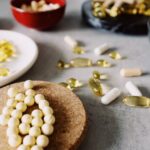
Probiotics are found in fermented foods and supplements. The evidence for probiotics is mixed. Some strains help with specific conditions like antibiotic-associated diarrhea or irritable bowel syndrome. But for general gut health in healthy people, the benefits are less clear. A 2020 review in Nutrients noted that probiotics can temporarily increase certain bacteria, but they rarely establish permanent colonies. Your existing microbiome usually pushes them out within weeks.
Prebiotics are more reliable. They are types of fiber found in foods like garlic, onions, bananas, oats, and asparagus. Prebiotics selectively feed beneficial bacteria like Bifidobacteria and Lactobacillus. Unlike probiotics, prebiotics do not need to survive stomach acid. They work by nourishing the bacteria already living in your colon.
If you want to try probiotics, choose foods first. Yogurt with live cultures, kefir, and kimchi are good options. If you try supplements, look for products with multiple strains and at least 1 billion colony-forming units. But do not expect dramatic changes. The most effective strategy is eating prebiotic-rich foods daily to support your own bacteria.



Can Stress and Sleep Really Change Your Gut?
Yes. The gut and brain are connected through the vagus nerve. This is called the gut-brain axis. When you are stressed, your brain sends signals to your gut that can change digestion and bacterial composition.
Chronic stress reduces the diversity of gut bacteria. A 2018 study in Psychosomatic Medicine found that people with higher perceived stress had fewer beneficial bacteria and more potentially harmful ones. Stress also increases gut permeability. This means the gut lining becomes looser, allowing substances to pass through that normally would not.
Sleep is equally important. Your gut bacteria follow a circadian rhythm. When you disrupt your sleep, you disrupt that rhythm. Studies show that shift workers and people with irregular sleep have less diverse microbiomes. Poor sleep also increases inflammation, which affects the gut lining.
Practical steps matter here. Aim for 7 to 9 hours of sleep per night. Keep a consistent sleep schedule even on weekends. For stress, even 10 minutes of deep breathing or a short walk can lower cortisol levels. These changes support your gut indirectly but powerfully.
What Are Common Gut Health Myths That Do Not Work?
Many popular gut health claims lack solid evidence. Here are some you should be skeptical about.
- Colon cleanses and detoxes. Your colon cleans itself. There is no evidence that colon cleanses improve gut health. They can actually remove beneficial bacteria and disrupt your microbiome.
- Apple cider vinegar for gut health. Some people report better digestion after taking it. But there are no high-quality studies showing it improves microbiome diversity or gut lining health. It can also damage tooth enamel and irritate the esophagus.
- Elimination diets without medical guidance. Cutting out entire food groups can reduce bacterial diversity. Unless you have a diagnosed food allergy or intolerance, eating a wide variety of foods is better for your gut.
- Gut health tests from online companies. These tests analyze a stool sample and tell you which bacteria you have. The problem is that the science is still developing. Results can vary from lab to lab, and there are no standard definitions of a “healthy” microbiome. The tests can be interesting, but they are not diagnostic tools.
Stick with the basics. Fiber, fermented foods, sleep, and stress management are proven. Everything else is secondary or unproven.
How Long Does It Take to See Changes in Gut Health?
Changes can happen faster than you might think. A study from 2021 in Nature Medicine found that when people switched to a high-fiber diet, their gut bacteria began to change within days. The composition shifted toward more beneficial species. However, lasting changes take longer.
Most research suggests that consistent dietary changes for 2 to 4 weeks produce measurable improvements in bacterial diversity. But your microbiome is dynamic. It changes with every meal. If you eat a healthy diet for a month and then return to processed foods, your microbiome will shift back.
Symptoms like bloating and irregularity often improve within the first week of increasing fiber and fermented foods. But some people experience temporary bloating when they first increase fiber. This is normal. Your bacteria are adjusting. Start with small amounts and increase gradually over a few weeks. Drink plenty of water to help fiber move through your system.
There is no single timeline that works for everyone. Your starting point, genetics, and current diet all influence how quickly you see changes. The key is consistency, not perfection.
| Strategy | Evidence Level | Time to Notice Change |
|---|---|---|
| Increase dietary fiber | Strong | Days to 2 weeks |
| Add fermented foods | Strong | 2 to 4 weeks |
| Probiotic supplements | Moderate | Varies by strain |
| Reduce processed foods | Strong | 1 to 3 weeks |
| Improve sleep quality | Moderate | 2 to 4 weeks |
| Manage chronic stress | Moderate | Weeks to months |
Frequently Asked Questions
What is the fastest way to improve gut health?
Eating more fiber from whole foods like vegetables, fruits, and legumes is the fastest evidence-backed method. Adding one serving of fermented food daily also helps within days to weeks.Can I improve gut health without changing my diet?
Diet is the most powerful tool for gut health, but improving sleep and reducing stress also have measurable effects. These alone will not fully compensate for a poor diet.
Do probiotic supplements work for everyone?
No. Probiotic supplements help some people with specific conditions, but for healthy individuals, their benefits are modest and temporary. Food sources are generally more effective.
Is leaky gut syndrome a real medical condition?
Increased intestinal permeability is a real phenomenon studied in medical research. However, “leaky gut syndrome” as a broad diagnosis for multiple symptoms is not recognized by mainstream medical organizations.
