
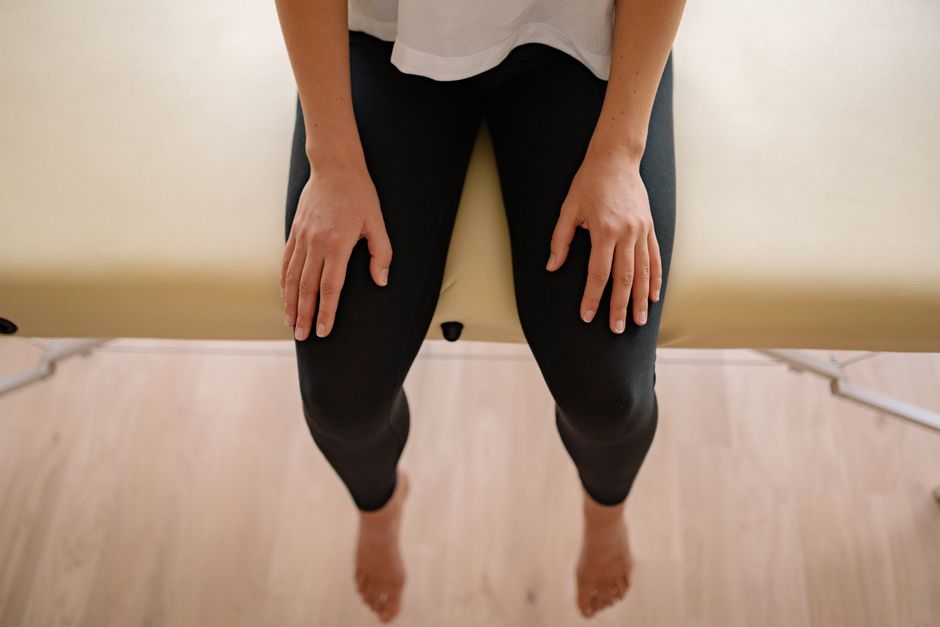
Poor circulation in your legs is a common problem, but it is often fixable. The most effective way to improve blood flow is to move more, elevate your legs, and stay hydrated. For many people, simple daily habits like walking and stretching make a significant difference within a few weeks.
What Causes Poor Circulation in the Legs?
Circulation problems in the legs usually start with the blood vessels themselves. Arteries carry oxygen-rich blood from your heart to your legs. Veins carry blood back up to your heart. When either system struggles, you feel it in your legs.
The most common cause is peripheral artery disease (PAD). This happens when fatty deposits narrow the arteries. It is closely linked to smoking, diabetes, high blood pressure, and high cholesterol.
Another frequent cause is chronic venous insufficiency. This occurs when the one-way valves inside your leg veins weaken. Blood pools in the lower legs instead of flowing upward. This is more common in people who stand for long hours or have a family history of varicose veins.
Sedentary habits make both conditions worse. Sitting for hours at a desk or on a couch reduces the muscle pump action in your calves. Your calf muscles act as a secondary heart — when they contract, they push blood upward. Without movement, that pump is idle.
How To Improve Circulation In Legs With Daily Movement
Movement is the single most effective tool you have. You do not need intense exercise to see benefits. Walking at a comfortable pace for 30 minutes a day is enough to improve blood flow in most people.
If you sit at a desk, break up your day. Stand up every 30 to 60 minutes. Walk around for two minutes. This simple habit restarts the calf muscle pump and prevents blood from pooling.
Leg raises are another useful exercise. Lie flat on your back and lift your legs straight up against a wall. Hold this position for 10 to 15 minutes. Gravity does the work, helping venous blood drain back toward your heart.
Ankle pumps work well too. While sitting or lying down, flex your toes toward you, then point them away. Repeat this 10 to 20 times. This activates the calf muscles without requiring you to stand.
Compression Socks and Their Role
Compression socks are a well-established tool for venous circulation problems. They are not a gimmick. These socks apply graduated pressure — tighter at the ankle and looser higher up. This helps push blood upward and prevents pooling.
Research consistently shows that compression stockings reduce leg swelling and ease discomfort in people with chronic venous insufficiency. They are also standard care for people who stand all day at work.
Compression socks are not the right choice for everyone. If you have peripheral artery disease, compression can actually reduce blood flow further. Do not buy compression socks without knowing which type of circulation problem you have.
If you are unsure, talk to a doctor first. They can measure your ankle-brachial index, a simple test that compares blood pressure in your ankle and arm. This tells you whether your issue is arterial or venous.

Hydration, Diet, and Blood Flow
Dehydration thickens your blood. Thicker blood is harder to push through narrow vessels. Staying hydrated keeps your blood volume stable and your circulation more efficient.
Water is the best choice. Aim for enough fluid that your urine is light yellow. This is a practical daily target that most people can follow without measuring exact amounts.
Diet affects circulation over the long term. Foods high in saturated fat and refined sugar contribute to arterial plaque buildup. A diet rich in vegetables, fruits, whole grains, and lean protein supports healthier blood vessels.
Some research suggests that foods high in nitrates — like beets and leafy greens — may support blood vessel dilation. The evidence is promising but not definitive. These foods are healthy for other reasons, so including them is a reasonable choice.
Elevation and Position Changes
Elevating your legs is one of the fastest ways to relieve heavy, achy legs. When your legs are level with or above your heart, gravity helps blood return to your chest. This is especially helpful after a long day of standing.
Use a footstool when sitting. Prop your legs up on pillows when lying down. Even 15 minutes of elevation can noticeably reduce swelling.
Avoid crossing your legs when sitting. This position compresses veins behind the knee and can slow venous return. Keep both feet flat on the floor or on a stool instead.
If you sleep on your back, placing a pillow under your lower legs can help. This keeps your legs slightly elevated through the night. Do not place the pillow directly behind your knee — this can hyperextend the joint and actually restrict flow.
When To See a Doctor
Some leg symptoms need medical attention. Do not ignore these signs:
- Leg pain that comes on with walking and goes away with rest
- Swelling in one leg only
- Skin changes — shiny, tight, or discolored skin on the lower leg
- Non-healing sores on your feet or toes
- Coldness or numbness in one leg
These can signal peripheral artery disease or a blood clot. Deep vein thrombosis (DVT) is a medical emergency if it causes sudden swelling, pain, and warmth in one leg. Seek emergency care if you experience these symptoms.
Smoking is the single worst thing for leg circulation. It damages blood vessel walls and accelerates plaque buildup. Quitting smoking improves circulation measurably within months.
If you have diabetes, keep your blood sugar in your target range. High blood sugar damages small blood vessels over time. This damage is cumulative and can be slowed with good glucose control.
What Does Not Work: Common Myths
Several products claim to improve circulation but lack evidence. Magnetic bracelets, copper-infused socks, and detox foot baths have no reliable clinical support. No large human trial has confirmed that these products improve blood flow.
Hot baths and saunas feel relaxing but do not meaningfully improve circulation in the legs. Heat dilates surface blood vessels, which can temporarily increase skin redness, but it does not improve deep venous return or arterial supply.
Massage can feel good and may temporarily reduce discomfort. Some studies suggest it can increase local blood flow briefly. But it is not a treatment for underlying vascular disease. It should never be used on a leg with a suspected blood clot.
Frequently Asked Questions
How quickly can you improve circulation in your legs?
Most people notice reduced heaviness and swelling within one to two weeks of daily walking and leg elevation. Structural changes to blood vessels take months of consistent exercise.
Are compression socks safe for everyone?
No. Compression socks are safe for venous problems but can worsen peripheral artery disease. Get a medical evaluation before using them if you have diabetes or a history of vascular disease.
Does drinking more water really help leg circulation?
Yes, staying hydrated keeps blood volume adequate and prevents blood from becoming overly thick. Dehydration reduces circulation efficiency, especially in the lower extremities.
Can poor circulation in legs be reversed?
Venous insufficiency can be managed effectively with compression, movement, and elevation. Arterial disease can be slowed and often improved with exercise, diet changes, and smoking cessation, but advanced cases may require medical treatment.
Improving leg circulation requires consistency more than intensity. Daily walking, regular position changes, and adequate hydration are the foundation. If symptoms persist or worsen despite these habits, a doctor can determine whether you need further evaluation or treatment.
