
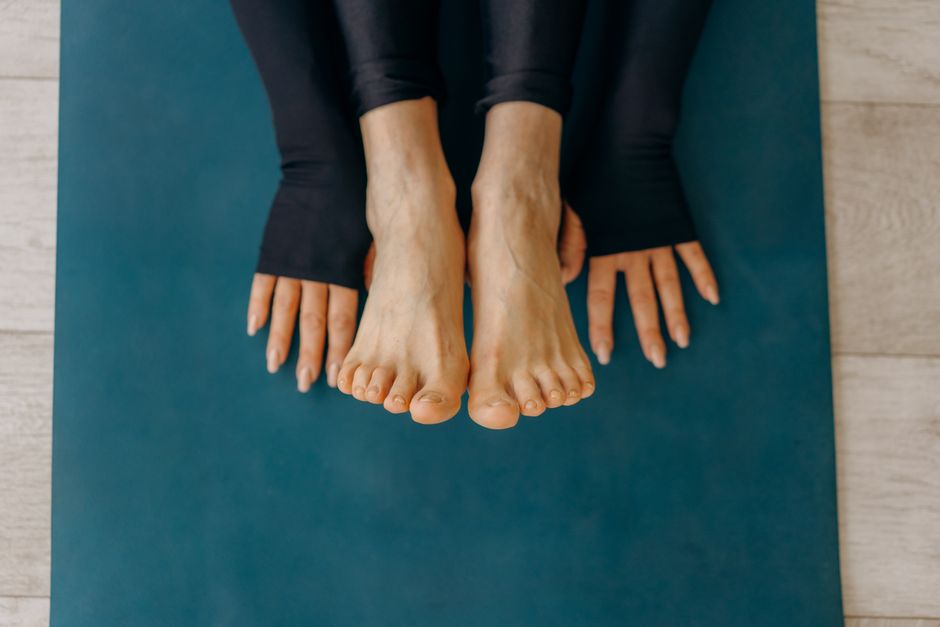
Swollen feet are common and often treatable at home. Proven remedies focus on reducing fluid buildup and improving blood flow. The most effective approaches include elevating your legs, moving regularly, using compression socks, and reducing your salt intake. These methods work for everyday swelling, but you should see a doctor if swelling is sudden, painful, or affects only one leg.
What Causes Swollen Feet?
Swelling in the feet and ankles is called peripheral edema. It happens when fluid collects in the tissues. Gravity pulls that fluid down, which is why feet are often affected first.
Many everyday factors cause it. Standing or sitting for long periods is a leading cause. Hot weather makes blood vessels widen, which lets more fluid leak into tissues. A high-salt diet makes your body hold onto water. Hormonal changes, especially during pregnancy, also cause swelling.
Some causes are more serious. Heart failure, kidney disease, and liver disease can all cause fluid retention. So can certain blood pressure medications, steroids, and antidepressants. If you have a chronic condition, talk to your doctor about your swelling.
How To Help With Swollen Feet Proven Remedies
Most proven remedies work by moving fluid out of your lower legs. They are simple, safe, and supported by clinical experience. These are the first-line approaches doctors recommend.
Elevation is the simplest fix. Lie down and prop your feet above heart level. This lets gravity help drain fluid back toward your body. Aim for 15 to 30 minutes several times a day. You can use pillows or a stack of cushions under your legs.
Movement is just as important. Your calf muscles act as a pump that pushes blood and fluid upward. Walking every hour, flexing your ankles, and rotating your feet all help. If you sit at a desk, stand and walk for a few minutes each hour. If you stand all day, sit down and elevate your feet when you can.
Compression socks provide steady pressure that prevents fluid from pooling. They are available in different pressure levels. Mild compression is fine for everyday swelling. Your doctor can prescribe stronger compression if needed. Put them on in the morning before swelling starts.
Reducing salt directly reduces fluid retention. Most Americans eat far more sodium than needed. Cutting back on processed foods, canned soups, and restaurant meals makes the biggest difference. The average adult should aim for under 2,300 mg of sodium per day. Many people see meaningful improvement in swelling within days of cutting salt.
Home Remedies That Actually Work
Some home remedies have real evidence behind them. Others are popular but unproven. Here is what the research shows.
Cold water immersion helps by constricting blood vessels. This reduces fluid leakage into tissues. A 10 to 15 minute soak in cool, not freezing, water can provide temporary relief. Do not use ice water, as it can damage skin and nerves.
Massage can help move fluid out of your feet. The key is direction. Always massage toward your heart, from your toes up toward your calf. Use gentle, firm pressure. Avoid massage if you have blood clots, skin infections, or deep vein thrombosis.
Epsom salt soaks are popular, but the evidence is weak. The magnesium in Epsom salt is poorly absorbed through skin. The warm water may provide temporary comfort, but it does not meaningfully reduce swelling. Do not use Epsom salt soaks if you have diabetes or poor circulation, as soaking can damage fragile skin.
Dietary changes beyond salt reduction may help. Potassium-rich foods like bananas, spinach, and sweet potatoes help balance sodium levels in the body. Staying hydrated also supports normal fluid balance. Some research suggests that increasing water intake helps the body flush excess sodium.




When Swollen Feet Are a Medical Emergency
Not all swelling is harmless. Some cases require immediate medical attention. Do not wait to see if it resolves on its own.
Seek emergency care if swelling is sudden, severe, or painful. Swelling in only one leg can signal a blood clot, a condition called deep vein thrombosis. This is a medical emergency. Swelling accompanied by chest pain, shortness of breath, or difficulty breathing may indicate a clot traveling to your lungs.
Swelling with other symptoms also warrants urgent evaluation. Fever, redness, or warmth in the swollen area can indicate an infection. Swelling that does not improve with elevation and rest over several days needs medical assessment. So does swelling that gets progressively worse.
If you have heart, kidney, or liver disease, report any new or worsening swelling to your doctor. These conditions affect how your body handles fluid. New swelling could mean your condition is changing.
How To Prevent Swollen Feet
Prevention is easier than treatment. Most prevention strategies target the same fluid dynamics that cause swelling in the first place.
Move regularly throughout the day. Set a timer to stand and walk every hour if you sit for work. If you stand for long periods, shift your weight, walk in place, and sit with your feet up during breaks. Regular exercise improves circulation and strengthens the calf muscle pump.
Watch your diet consistently. A steady, moderate salt intake prevents fluid retention better than occasional strict restriction. Read nutrition labels and be aware of hidden sodium in bread, deli meats, and condiments. These foods add up quickly.
Maintain a healthy weight. Excess body weight puts more pressure on leg veins and makes it harder for fluid to return upward. Weight loss often improves chronic swelling, though results take time.
Wear comfortable shoes that do not constrict your feet. Tight shoes can restrict blood flow and worsen swelling. Avoid socks with tight elastic bands at the top for the same reason. If you fly or take long car trips, compression socks are particularly helpful.
Medical Treatments for Persistent Swelling
When home remedies are not enough, medical treatments are available. These require a doctor’s evaluation first. Never take diuretics without medical supervision.
Diuretics, also called water pills, help your kidneys remove excess fluid. They are effective but have risks. They can cause dehydration, electrolyte imbalances, and kidney strain. Doctors prescribe them when swelling is caused by heart, kidney, or liver conditions. They are not appropriate for simple everyday swelling.
Treating the underlying cause is the most effective long-term approach. If a medication causes your swelling, your doctor may adjust the dose or switch drugs. If varicose veins are the problem, compression therapy or procedures to close faulty veins may help. If heart failure is the cause, managing that condition is the priority.
Your doctor may order tests to find the cause. Blood tests can check kidney and liver function. An ultrasound can look for blood clots or vein problems. These tests help guide treatment decisions.
Lifestyle Changes That Make a Lasting Difference
Small daily habits compound over time. The people who see lasting improvement in swelling tend to make consistent changes, not occasional efforts.
Hydration matters more than most people realize. When you are dehydrated, your body holds onto the fluid it has. Drinking water throughout the day signals your body that fluid is available. Aim for enough water that your urine is light yellow. This varies by person, activity level, and climate.
Dietary patterns matter beyond salt. A diet rich in whole foods, vegetables, and lean protein supports healthy fluid balance. Processed foods are the main source of excess sodium in the American diet. Reducing them automatically reduces your sodium intake.
Sleep position can help overnight. Lying flat with a pillow under your feet allows gravity to work while you sleep. Some people find that sleeping with slightly elevated legs reduces morning swelling. This is a simple, zero-cost intervention worth trying.
Frequently Asked Questions
How long does it take for swollen feet to go down?
With elevation and rest, mild swelling usually improves within a few hours. Swelling from a high-salt meal or long day of standing may take a day or two to fully resolve.
Are compression socks safe for everyone?
No. People with peripheral artery disease or skin infections should not use compression socks without a doctor’s approval. For most healthy adults, they are safe and effective.
Can drinking more water reduce swollen feet?
Yes, staying hydrated helps your body maintain normal fluid balance and flush excess sodium. Dehydration actually makes your body hold onto fluid, which can worsen swelling.
What is the fastest way to reduce foot swelling?
Elevating your feet above heart level for 15 to 30 minutes is the fastest proven method. Combining elevation with gentle ankle movement speeds up fluid return.
