

Constipation is one of those problems that sounds simple but feels anything but. Most people want a quick fix, but the real answer is about daily habits that add up. The most effective way to help with constipation is to combine a high-fiber diet, plenty of fluids, and regular movement. Fiber adds bulk to stool, water softens it, and movement helps your intestines push things along. No single trick works for everyone, but this three-part approach is what the evidence consistently supports.
What Causes Constipation in the First Place?
Constipation happens when stool moves too slowly through your colon. The colon absorbs too much water, leaving stool hard and dry. This can happen for many reasons, and it is rarely just one thing.
Diet is a major factor. A low-fiber diet is the most common cause. The average American eats about 15 grams of fiber per day. The recommended amount is 25 to 38 grams. That gap alone explains a lot of cases. Not drinking enough water makes things worse. When you are dehydrated, your colon pulls extra water from stool, making it harder to pass.
Lack of physical activity also slows digestion. Your intestines rely on some movement to keep contents moving. A sedentary lifestyle can contribute to slower transit time. Ignoring the urge to go is another common cause. Over time, your body stops signaling as strongly, and stool sits longer.
Certain medications cause constipation too. Opioid painkillers, some antidepressants, iron supplements, and calcium channel blockers are common culprits. Underlying conditions like irritable bowel syndrome, hypothyroidism, or diabetes can also play a role. If constipation is new or severe, it is worth checking with a doctor.
How Does Fiber Actually Help With Constipation?
Fiber is not a single substance. It comes in two types, and they work differently. Soluble fiber dissolves in water and forms a gel-like substance. It helps soften stool. Insoluble fiber does not dissolve. It adds bulk and helps stool pass more quickly.
Research published in the American Journal of Gastroenterology found that increasing fiber intake improved stool frequency in people with chronic constipation. But not all fiber is equal. A 2022 review in Nutrients noted that soluble fiber like psyllium is more effective than insoluble fiber like wheat bran for most people.
Psyllium is the fiber in products like Metamucil. It holds water in the stool, making it softer and easier to pass. Wheat bran adds bulk but can be harsh if you are not used to it. Some people find it makes bloating worse.
The key is to increase fiber slowly. Jumping from 15 grams to 35 grams in one day causes gas and cramping. Add 2 to 3 grams per day for a week, then increase again. Drink extra water with fiber. Without enough water, fiber can actually worsen constipation by forming a plug.
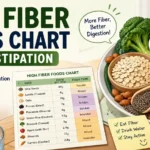
Good sources of soluble fiber include oats, barley, beans, lentils, apples, and carrots. Insoluble fiber comes from whole wheat, nuts, seeds, and the skins of fruits and vegetables. Both types matter, but soluble fiber is the more reliable choice for constipation relief.
What Role Do Fluids Play in Relieving Constipation?
Water is essential for fiber to work. Fiber draws water into the stool. If there is not enough water available, fiber cannot do its job. The result is a dry, hard mass that is harder to pass than if you had eaten no fiber at all.
How much water do you need? There is no magic number for everyone. A general guideline is 8 to 10 cups of fluid per day for adults. But this depends on body size, activity level, climate, and diet. A more practical approach is to check your urine color. Pale yellow means you are well hydrated. Dark yellow means you need more water.
Water is the best choice. But other fluids count too. Herbal teas, clear soups, and even water-rich fruits like watermelon and cucumber contribute. Caffeinated drinks like coffee and tea are fine in moderation. They do not dehydrate you significantly unless you drink them in large amounts.
One thing to avoid is sugary drinks. High sugar content can draw water into the gut and cause diarrhea or cramping. That is not the same as healthy bowel function. Alcohol also dehydrates and can worsen constipation if consumed in excess.
A simple habit is to drink a glass of water with each meal and between meals. Keep a water bottle at your desk. Set a reminder if you forget. Small changes add up quickly.




Which Foods Help the Most With Constipation?
Some foods are particularly effective for constipation. Prunes are the most well-known. Research shows prunes contain sorbitol, a sugar alcohol that draws water into the colon. A 2014 study in Alimentary Pharmacology & Therapeutics found that eating 100 grams of prunes daily improved stool frequency and consistency better than psyllium.
Prune juice works too but has less fiber than whole prunes. Dried plums, which are just prunes, are a convenient option. Three to four prunes per day is a reasonable starting point.
Apples and pears contain pectin, a type of soluble fiber. Eating them with the skin on provides more fiber. Kiwifruit is another option. A 2021 study in the American Journal of Gastroenterology found that two kiwifruits per day improved constipation symptoms in people with irritable bowel syndrome.
Beans and lentils are fiber powerhouses. A half-cup of cooked lentils has about 8 grams of fiber. That is a third of the daily target. Start with small portions if you are not used to them. Gas is common but usually decreases as your gut adjusts.
Leafy greens like spinach and kale provide fiber and magnesium. Magnesium helps relax the intestinal muscles. Nuts and seeds, especially chia seeds and flaxseeds, are rich in fiber and healthy fats. Chia seeds absorb water and form a gel, which helps soften stool.
Fermented foods like yogurt, kefir, and sauerkraut contain probiotics. Some studies suggest probiotics can improve stool frequency in people with chronic constipation. The evidence is not as strong as for fiber and fluids, but it is worth trying if other measures are not enough.
How To Help With Constipation Diet Fluids And More: A Practical Plan
Putting it all together does not have to be complicated. Start with one change at a time. The most effective sequence is to increase fluids first, then add fiber slowly, then add movement.
Here is a simple daily plan based on what the evidence supports:
- Drink a full glass of water with each meal and one glass between meals
- Eat 2 to 3 servings of fruit per day, including at least one serving of prunes or kiwifruit
- Include a serving of cooked beans, lentils, or oats at one meal
- Add 1 to 2 tablespoons of chia seeds or ground flaxseeds to yogurt or oatmeal
- Take a 10 to 15 minute walk after meals
- Go to the bathroom when you feel the urge. Do not wait
This is not a rigid prescription. It is a template you can adjust based on what works for you. Some people find that prunes work well. Others prefer kiwifruit or psyllium. Pay attention to how your body responds.
If you try these changes for two weeks and see no improvement, consider seeing a doctor. Chronic constipation can have underlying causes that need medical attention. Do not keep suffering silently.
What About Laxatives and Other Quick Fixes?
Laxatives are a common response to constipation, but they are not a long-term solution. They can be helpful for occasional relief, but overuse causes dependence. Your colon can stop responding to natural signals if you rely on stimulant laxatives regularly.
There are several types of laxatives. Bulk-forming laxatives like psyllium are the safest. They work like dietary fiber. Stool softeners like docusate are mild but not very effective according to some studies. Stimulant laxatives like bisacodyl or senna work quickly but can cause cramping and dehydration.
Osmotic laxatives like polyethylene glycol (MiraLAX) draw water into the colon. They are generally safe for occasional use. But they do not address the underlying cause of constipation. They treat the symptom, not the problem.
The same applies to enemas and suppositories. They work fast but are not meant for regular use. If you need a laxative more than once a week, talk to a doctor. There may be a better long-term approach.
Many people also try magnesium supplements. Magnesium citrate is a common choice. It works by drawing water into the intestines. Some evidence supports its use for mild constipation. But high doses can cause diarrhea and electrolyte imbalances. Start with a low dose and see how you respond.
Does Exercise Really Help With Constipation?
Yes, but the evidence is not as strong as for diet and fluids. A 2019 review in the Scandinavian Journal of Gastroenterology found that exercise improved constipation symptoms in some studies but not others. The effect seems modest but real.
Exercise helps by stimulating the muscles in your intestines. It also reduces stress, which can contribute to constipation. Walking, swimming, and cycling are good choices. Intense exercise is not necessary. Even 20 minutes of moderate activity per day can help.
The timing matters. Walking after a meal can stimulate the gastrocolic reflex, which signals your colon to move. This is the same reflex that makes some people need to use the bathroom after eating. Taking advantage of it with a short walk can be effective.
Do not expect exercise alone to fix constipation if your diet is poor. It works best as part of a combined approach. Think of it as supporting your digestive system, not as a standalone cure.
Common Misconceptions About Constipation Relief
One common myth is that drinking coffee cures constipation. Coffee does stimulate the colon in some people. The effect is real but temporary. It is not a reliable treatment for chronic constipation. Relying on coffee can lead to dehydration if you do not drink enough water alongside it.
Another myth is that you need to have a bowel movement every day. Normal frequency ranges from three times per day to three times per week. If you are in that range and not straining, you are likely fine. Obsessing over daily bowel movements causes unnecessary stress, which can worsen symptoms.
Some people believe that detox teas or colon cleanses are effective. As of 2026 there is no clinical evidence that these products improve long-term bowel health. Many contain stimulant laxatives that can cause cramping and dehydration. They are not a substitute for a fiber-rich diet and adequate fluids.
Another misconception is that all fiber is the same. As discussed earlier, soluble fiber is generally more effective for constipation than insoluble fiber. Eating a bowl of wheat bran without enough water can make things worse. Knowing the difference helps you choose the right foods.
Frequently Asked Questions
How much fiber should I eat daily for constipation?
Adults should aim for 25 to 38 grams of fiber per day. Start with a lower amount and increase slowly to avoid gas and bloating.
Can drinking more water alone fix constipation?
Water helps but works best when combined with fiber. Without enough fiber, extra water may not be enough to soften stool and improve regularity.
Are probiotics effective for constipation?
Some studies suggest probiotics can improve stool frequency, especially in people with IBS. The evidence is moderate, not strong, and results vary by strain.
How long does it take for diet changes to relieve constipation?
Most people notice improvement within one to two weeks of consistent changes. Some see results in a few days. Give it at least two weeks before evaluating.
