
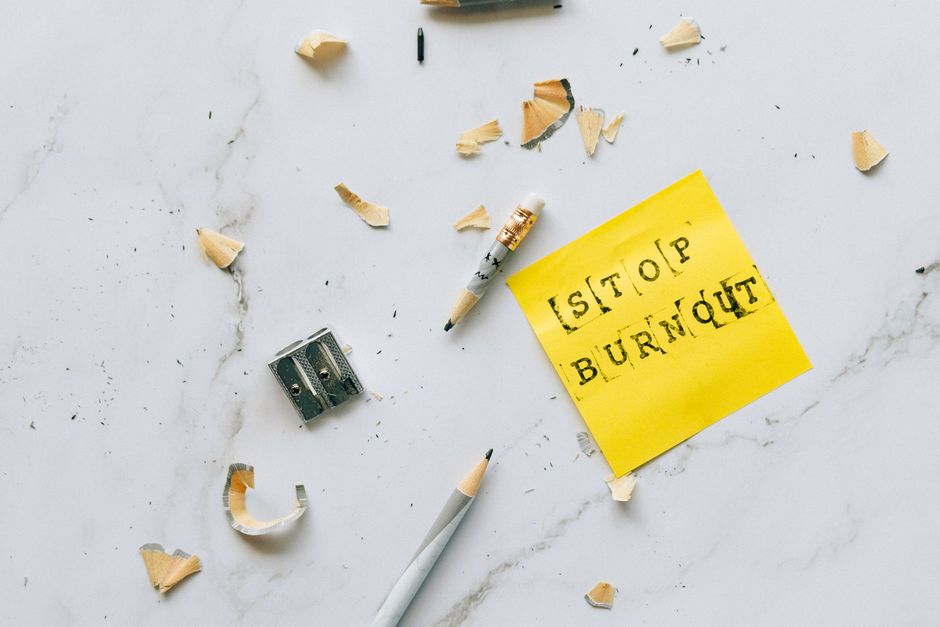
Burnout is not a bad week. It is a state of physical, emotional, and mental exhaustion that comes from long-term stress that has not been managed well. Recovery is not about a weekend off. It requires real changes in how you work, rest, and live. The path back starts with acknowledging the problem and then making targeted adjustments to your daily routine, sleep, and boundaries.
What Does Burnout Actually Do To Your Body?
Burnout is not just in your head. It is a physical state that affects your nervous system and hormones. When you are under constant stress, your body stays in a state of high alert. This keeps cortisol and adrenaline levels elevated for long periods.
Over time, this wears down your energy systems. You may feel tired all the time, but still struggle to sleep. Your immune system can weaken. Some research suggests that chronic stress like this is linked to higher risks of heart disease and metabolic problems. Understanding this helps explain why burnout feels so heavy — it is a whole-body condition, not a mood.
Your brain also changes. The parts responsible for focus and decision-making work harder under stress. This is why people with burnout often describe feeling foggy or forgetful. It is not a lack of effort. It is a brain that is exhausted from constant demands.
How To Help With Burnout And Actually Recover
Recovery requires you to stop treating the symptoms and start addressing the cause. The most important step is reducing the load that created the burnout in the first place. That may mean taking leave from work, reducing hours, or changing how you respond to demands.
Sleep is the foundation. Most adults need between seven and nine hours per night. If you are not getting that, recovery will be slow. Prioritize a consistent sleep schedule. Go to bed and wake up at the same time every day, including weekends. Keep your bedroom cool, dark, and quiet.
Physical activity helps in a specific way. Light to moderate exercise, like walking or swimming, can reduce stress hormones and improve mood. But be careful with intense exercise. When you are burned out, your body may not recover well from heavy training. Start gentle and build up only as your energy returns.
Nutrition matters more than most people realize. Long-term stress depletes certain nutrients, but there is no single “anti-burnout” supplement that fixes this. Eat regular, balanced meals with protein, healthy fats, and vegetables. Avoid relying on caffeine to push through the day. It masks the problem and can disrupt sleep further.
Why Resting Alone Does Not Fix Burnout
Many people try to recover by taking a vacation or having a lazy weekend. This helps temporarily, but it does not solve the underlying problem. Burnout develops from chronic stress patterns. If those patterns remain, the exhaustion returns quickly.
One key issue is that people with burnout often cannot truly rest. Their minds stay busy with worry, planning, and replaying work problems. This is called a lack of psychological detachment. You can be physically away from work but mentally still there.
Recovery requires learning how to switch off. This is a skill, not an automatic process. Some people find that mindfulness or meditation helps. Others benefit from setting a strict time when work ends and refusing to check emails after that. The goal is to train your brain to recognize that rest is safe and allowed.
Another reason rest alone fails is that burnout often involves a loss of control. You may feel trapped in responsibilities you cannot escape. Recovery involves reclaiming some sense of agency. That could mean delegating tasks, saying no to new commitments, or having an honest conversation with a manager about workload.





What Are The First Steps To Take Right Now?
Start by assessing your situation honestly. What is the main source of your stress? Is it workload, lack of control, poor work relationships, or something else? You cannot fix what you do not clearly identify.
Next, set one or two boundaries immediately. This could be as simple as not checking work messages after 7 PM or taking a full lunch break away from your desk. Small boundaries build confidence. They also show you that change is possible.
Consider talking to someone. A therapist who specializes in stress or occupational burnout can help you develop coping strategies. Many workplaces offer Employee Assistance Programs that provide free counseling sessions. If your workplace does not, a primary care doctor can refer you to a mental health professional.
Medical evaluation is worth considering. Burnout symptoms overlap with other conditions like thyroid disorders, anemia, or depression. A simple blood test can rule out physical causes. If you have persistent exhaustion for more than a few weeks, see a doctor.
How Long Does Burnout Recovery Take?
There is no fixed timeline. Some people feel noticeably better within a few weeks of making major changes. Others take months or even longer, especially if the burnout was severe or lasted a long time.
The key factor is consistency. You cannot make changes for a week and expect permanent results. Recovery is about building new habits that prevent the stress from piling up again. Think of it as a lifestyle change rather than a quick fix.
Be patient with yourself. Setbacks are normal. If you have a stressful week, that does not mean you are back to square one. What matters is that you return to your recovery practices rather than abandoning them.
Some research suggests that recovery is faster when people make changes across multiple areas of life at once. Sleep, exercise, social connection, and work boundaries all work together. Improving only one area while ignoring the others may slow your progress.
When Should You Seek Professional Help?
Burnout can sometimes cross into clinical depression or anxiety. If you feel hopeless, lose interest in things you used to enjoy, or have thoughts of self-harm, seek help immediately. These are not signs of weakness. They are signs that your body and mind need more support than self-care alone can provide.
Consider professional help if your symptoms interfere with daily functioning for more than two weeks. This includes difficulty getting out of bed, inability to concentrate at work, or withdrawing from friends and family.
A doctor can also help with medication if appropriate. Antidepressants are not a first-line treatment for burnout specifically, but they may be prescribed if depression is also present. This decision should be made with a qualified healthcare provider, not based on internet research.
Therapy approaches like cognitive behavioral therapy have evidence for helping with stress and burnout. A therapist can help you identify unhelpful thought patterns and develop practical coping skills. This is not about blaming yourself. It is about building tools for resilience.
How To Prevent Burnout From Coming Back
Prevention is about building recovery into your normal life, not just after a crisis. Regular breaks during the workday matter. Short walks, stretching, or simply stepping away from the screen for a few minutes every hour can help reset your focus.
Build a strong social network. Isolation makes stress worse. Regular contact with friends and family, even brief phone calls, provides emotional support that buffers against stress. This is not about having a large social circle. Quality matters more than quantity.
Learn to recognize your early warning signs. For many people, these include irritability, poor sleep, increased caffeine use, or feeling dread about work. When you notice these signs, act early. Adjust your schedule, take a day off, or talk to someone before things escalate.
Reconsider your relationship with work. This does not mean quitting your job. It means examining whether your work aligns with your values and whether you have appropriate control over your tasks. Sometimes small changes in how you approach work make a big difference.
Frequently Asked Questions
Can burnout cause physical symptoms?
Yes. Headaches, digestive issues, muscle tension, and frequent illness are common physical symptoms of burnout. These occur because chronic stress affects your nervous system, digestion, and immune function.
Is burnout the same as depression?
No, but they can overlap. Burnout is specifically related to chronic stress, often from work, while depression is a broader mental health condition. Burnout may lead to depression if left untreated, and a doctor can help distinguish between the two.
How much time off work do I need for burnout?
There is no standard amount. Some people recover with a few weeks of reduced stress, while others need several months. The quality of your time off matters more than the quantity — true rest and boundary-setting are essential.
Can supplements help with burnout recovery?
No supplement has been proven to cure burnout. Some research suggests that B vitamins, magnesium, or adaptogens like ashwagandha may support stress response, but evidence is limited. Focus on sleep, nutrition, and stress reduction first, and talk to a doctor before taking any supplement.
