
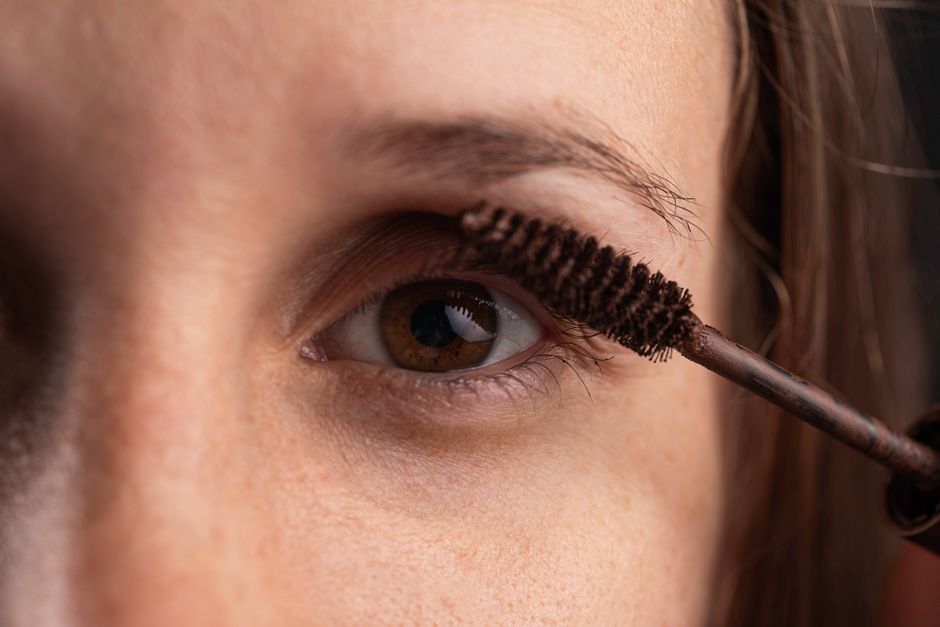
Thick, full lashes are a major beauty goal, but most products promise more than they can deliver. The truth is that eyelash growth is largely determined by your genetics and your age. However, you are not completely without options. Proven medical treatments exist, and certain habits can prevent the lash loss that makes your natural lashes look thinner than they are.
What Determines Your Natural Eyelash Thickness?
Your genes set the blueprint for your lashes, just like your hair color and height. This determines how many lashes you have, their thickness, and how long they grow. You cannot change this genetic baseline.
Age is the next major factor. As you get older, hair follicles, including those on your eyelids, can slow down their growth phase. Lashes become sparser and finer over time. This is a normal biological process, not a sign that something is wrong.
Hormones also play a role. Pregnancy can temporarily make lashes appear thicker and fuller. Some women notice this change in the second trimester. Conversely, certain thyroid conditions or hormonal shifts can lead to thinning lashes.
How To Thicken Eyelashes What Actually Works: The Medical Evidence
When it comes to genuinely thickening lashes, the evidence points to one class of treatment: prostaglandin analogs. These are prescription medications originally developed for glaucoma. Researchers noticed a side effect—patients grew longer, thicker, and darker lashes.
The most well-known example is bimatoprost, sold under the brand name Latisse. It is FDA-approved for inadequate lashes. Clinical studies have shown it increases lash length, thickness, and darkness. It works by extending the growth phase of the lash cycle, allowing hairs to grow longer before they fall out.
These are not cosmetic products. They are prescription drugs with real side effects. Common side effects include eye redness, itching, and darkening of the skin where the solution is applied. A less common but serious side effect is iris color change—the brown part of the eye can become permanently darker. These risks mean you should only use these products under a doctor’s supervision.
Over-the-counter serums often contain similar ingredients, but at lower concentrations. The evidence for their effectiveness is less robust. Some research suggests they work, but the results are typically more modest than prescription options. The safety data for long-term use of these cosmetic serums is also less complete.
What About Castor Oil and Natural Remedies?
Castor oil is one of the most popular home remedies for lash growth. It contains ricinoleic acid, which has anti-inflammatory properties. Some people believe it conditions the lashes, making them less brittle and less prone to breakage.
There is no solid clinical evidence that castor oil makes lashes grow longer or thicker. It may improve the appearance of lashes by moisturizing them and reducing breakage. But it does not stimulate the follicle to produce more hair.
Other natural oils like coconut oil, olive oil, and vitamin E are similar. They can condition the lashes and keep them healthy-looking. They will not change your genetic growth pattern. If you have sensitive eyes, be cautious with any oil applied near the lash line, as it can cause irritation or blurry vision.





Are Lash Serums Worth the Money?
The lash serum market is crowded and confusing. Prices range from drugstore bargains to luxury products costing hundreds of dollars. The active ingredients determine whether a serum has any real chance of working.
Look for serums that list prostaglandin analogs or peptides as active ingredients. Peptides are chains of amino acids that some research suggests can support hair growth. The evidence for peptides is more preliminary than for prostaglandins, but they are generally considered safer with fewer side effects.
Be skeptical of miracle claims. No serum can give you lashes that your genetics do not allow. A serum might help you reach your natural potential, but it cannot exceed it. If a product promises dramatic results without any mention of active ingredients, it is likely just an expensive moisturizer.
How to Prevent Lash Breakage and Loss
Sometimes the best way to thicken your lashes is to stop making them thinner. Many daily habits cause mechanical damage that leads to lash loss.
- Remove eye makeup gently. Rubbing or scrubbing the eye area pulls lashes out by the root. Use a dedicated eye makeup remover and a soft cotton pad. Soak the pad and hold it over the eye for a few seconds to dissolve the mascara before wiping.
- Stop using eyelash curlers. These devices pull on the lashes and can cause them to snap or fall out. If you must use one, do it before applying mascara and never pull hard.
- Do not sleep in mascara. Mascara hardens overnight, making lashes stiff and prone to breaking when you move against your pillow. Removing it every night is one of the most effective things you can do.
- Avoid lash extensions. The adhesive used for extensions can damage the natural lash follicle. The weight of the extensions can also cause premature shedding. Some research has linked extensions to traction alopecia, a condition where hair is pulled out by constant tension.
When to See a Doctor About Thinning Lashes
If you notice sudden or patchy lash loss, it is worth a medical evaluation. This is different from the gradual thinning that comes with age.
Patchy lash loss can be a sign of alopecia areata, an autoimmune condition where the body attacks hair follicles. It can also be caused by a fungal infection or a skin condition like blepharitis, which is inflammation of the eyelid margin.
Thyroid disorders can also cause lash changes. Both an overactive and an underactive thyroid can affect hair growth. If you have other symptoms like fatigue, weight changes, or dry skin, mention them to your doctor.
Treating the underlying condition is the priority. Once the cause is addressed, lashes often grow back on their own. Do not start a prescription lash serum without first checking whether an underlying health issue is responsible for the hair loss.
Lash Extensions and Growth Factors: What to Know
Lash extensions are a cosmetic way to create the appearance of thicker lashes. They are glued to your natural lashes one by one. The results can be dramatic, but they come with risks.
The glue contains cyanoacrylate, which can cause allergic reactions. Symptoms include redness, swelling, and itching of the eyelids. In severe cases, the reaction can cause the natural lashes to fall out.
Latisse and similar products have been misused as a beauty treatment. Some people buy them online without a prescription. This is risky because you do not know the concentration or quality of the product. It is also risky because you skip the medical screening that catches eye conditions that could make the drug unsafe for you.
Frequently Asked Questions
How long does it take to see results from a lash serum?
Most prescription serums take about two months to show visible results, with full effects appearing around four months. Results are not permanent—lashes return to their original state within a few months of stopping the product.
Can mascara make your lashes thinner over time?
Mascara itself is not the problem—it is how you remove it. Rubbing or scrubbing to remove mascara pulls out lashes and damages the follicle. Gentle removal with a dedicated eye makeup remover prevents this damage.
Is it safe to use castor oil on your lashes every night?
Castor oil is generally safe for most people when applied carefully to the lash line, but it can cause irritation or blurry vision if it gets in the eye. It will not make lashes grow, though it may condition them and reduce breakage.
Do eyelash extensions cause permanent damage?
In most cases, damage from extensions is temporary and lashes grow back once the extensions are removed. However, repeated use can cause lasting damage to the follicle, especially if the extensions pull on the natural lashes or if an infection develops.
